







Recent Technical Disruptions Prompt Government Reassurances
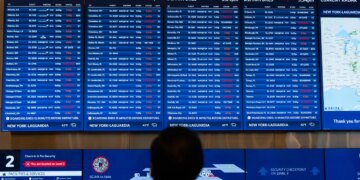
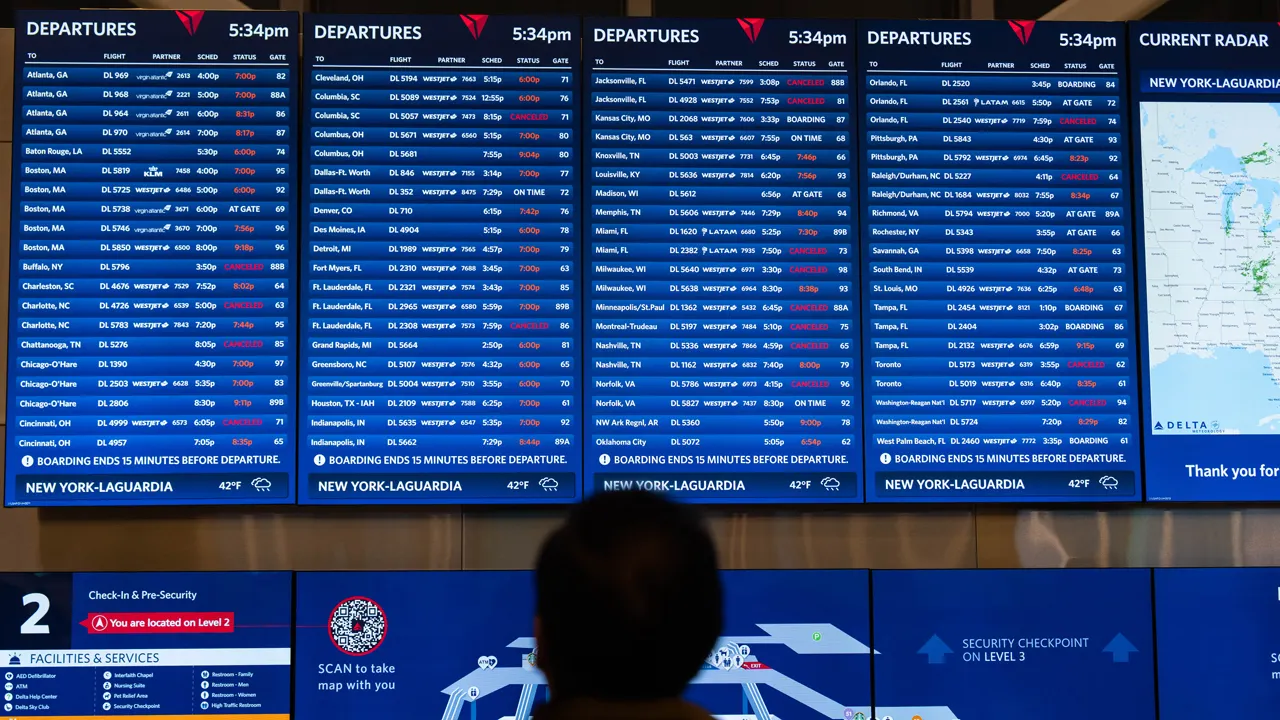
In the wake of a series of significant disruptions impacting key sectors of American society, including a nationwide ground stop affecting air travel, banking outages at JPMorgan Chase, and a service disruption at Microsoft, government officials have moved swiftly to alleviate public concerns, asserting that these failures are not the result of malicious actions.
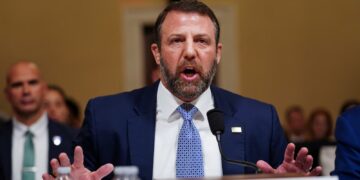
During the air travel ground stop, Homeland Security Secretary Markwayne Mullin emphasized the integrity of the homeland and banking systems, stating that the disruptions did not indicate a cyberattack or other nefarious activity.
Intelligence Officials Dismiss Coordinated Attack Theories
Director of National Intelligence Jay Clayton echoed these sentiments, affirming that there is no evidence suggesting a coordinated or state-sponsored assault on critical infrastructure. Instead, he indicated that the issues stemmed from routine maintenance and system upgrades.
“Based on what we know today, these are separate service outages associated with maintenance and technical changes,” Clayton remarked during a testimony before the House Homeland Security Committee. “They are not a coordinated or state-sponsored attack.”
Both Microsoft and JPMorgan Chase have attributed their service interruptions to internal technical problems and software bugs, rather than external threats.
Expert Concerns Over Rapid Assurances
However, experts like Danny Cooper, CEO of the critical infrastructure security firm SMET, have raised concerns regarding the rapidity of these reassurances. Cooper noted, “A blanket statement like ‘there’s no malicious activity associated with any of the outages’ is almost impossible from a probability perspective.”
Cooper highlighted public anxiety surrounding whether these outages were coincidental or indicative of a larger issue. He questioned the likelihood of multiple critical systems experiencing significant independent failures within such a short timeframe, labeling it as “highly improbable.” This skepticism is understandable, he argues, especially given the recent spate of outages.
Importance of Thorough Investigations
Cooper also emphasized that prematurely ruling out foul play could hinder necessary investigations. “If a company or the government asserts that there’s no malicious activity without having conducted a thorough investigation, it undermines efforts to identify and rectify vulnerabilities,” he cautioned.
Officials have pointed to aging infrastructure and routine maintenance as potential causes of the outages. Still, Cooper argues that these explanations should not preclude a careful examination of the events leading to the disruptions.
Public Confidence at Risk
An immediate dismissal of concerns can exacerbate public skepticism, particularly when multiple agencies provide similar reassurances before comprehensive audits are completed. Cooper noted that the public’s pattern recognition in observing these outages can fuel distrust.
Conflicting Statements from Government Officials
The Democratic National Committee has criticized the administration for conflicting messages regarding the outages. DNC Deputy Communications Director Kendall Witmer pointed out discrepancies between statements made by Secretary Mullin and Secretary of State Marco Rubio regarding the role of artificial intelligence in the disruptions.
Technical Upgrades and Cyber Vulnerabilities
Much of the official narrative surrounding the November outages attributes them to routine software updates and system upgrades. While maintenance is standard practice and necessary for operational efficiency, experts warn that such periods can also attract attention from sophisticated cyber adversaries.
“If organizations are executing major upgrades collectively, it’s possible to experience a higher incidence of downtime,” Cooper explained. “However, it’s equally plausible that cyber adversaries are exploiting these moments to inject malware or other malicious software.”
As the investigations continue, the importance of maintaining public confidence and ensuring the security of critical infrastructure remains paramount.





Discussion about this post