








US Considers Security Guarantees for Ukraine
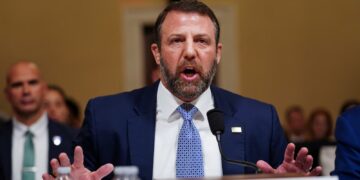
WASHINGTON — Special envoy Jared Kushner indicated that US President Donald Trump may contemplate offering security guarantees to Ukraine, drawing inspiration from NATO’s collective defense commitments, provided there is a significant reduction in the threat of further Russian aggression.
Significance of Kushner’s Statement
Kushner articulated his views in a detailed social media post on November 22, noting Russia’s reported openness to discussing security guarantees as a “major step forward,” suggesting a potential shift in Moscow’s stance towards peace negotiations. However, Russian officials have publicly dismissed NATO-like guarantees for Ukraine, with Deputy Foreign Minister Sergei Ryabkov labeling them unacceptable, thereby raising questions about the accuracy of Kushner’s interpretation of Russia’s position.
Kushner emphasized that any proposed guarantee would require Trump’s approval and would be subject to constitutional and congressional processes, highlighting the complexities involved.
Framework for Security Guarantees
Kushner outlined that a credible security guarantee, supported by deterrence and measures to prevent military escalation, could significantly mitigate the risk of renewed conflict. He echoed Ukrainian President Volodymyr Zelenskyy’s sentiments that such guarantees must be “specific, credible, and clearly documented.”
He proposed a comprehensive framework that would facilitate permanent communication channels, crisis management, military deconfliction, transparency, and reciprocal measures aimed at de-escalation. The overall goal, he asserted, should be a landscape where “Ukraine is secure, Europe is stronger, and Russia is assured that NATO does not seek confrontation, while NATO and its allies trust that Russia will respect the sovereignty and security of its neighbors.”
Kushner also stressed that any security guarantees for Ukraine must align with the broader postwar European security architecture and preserve the sovereignty and independent decision-making of all involved nations. He advocated for a long-term prosperity plan for Ukraine, emphasizing the necessity of economic and institutional reforms to bolster resilience.

Zelenskyy’s Call for NATO Membership
Kushner’s remarks came in the wake of Zelenskyy’s statements following a meeting of the Coalition of the Willing in Berlin, where the Ukrainian leader reiterated that full NATO membership remains the most definitive security guarantee for Ukraine and would simultaneously strengthen the alliance.
Zelenskyy raised questions regarding what an alternative “Article 5-like” arrangement would entail, including the specifics of participation, defense strategies, and readiness to counter Russian aggression. He insisted that these details must be documented rather than left as vague political assurances and emphasized the need for guarantees that extend beyond Trump’s presidency, arguing that short-term commitments do not constitute a robust peace.
Russia’s Firm Rejection
Former US Assistant Secretary of State for Europe and Eurasia, Daniel Fried, expressed skepticism regarding Moscow’s willingness to engage with the concept of security guarantees. He emphasized that while discussions may occur, they do not equate to acceptance, pointing to Ryabkov’s statements and Russia’s ongoing maximalist war objectives.
Fried highlighted that a genuine Article 5-like guarantee would require the US and key European nations to treat any attack on Ukraine as an attack on all, a proposition he believes Russia would likely reject. He suggested that full NATO membership would be a more favorable solution for Ukraine.
Concerns Over US Policy Direction
Fried also questioned whether Kushner’s statements reflected an official US policy or were an effort to gain Trump’s support for a proposal, suggesting that clarity on presidential backing would be more effective. He noted the complexities of aligning a potential US security commitment with the Pentagon’s current strategic priorities, which advocate for a European-led defense initiative.
Fried highlighted the necessity for clarity regarding additional military resources needed if the US were to undertake new security obligations for Ukraine while simultaneously reducing its conventional military role in Europe.
Need for Credible Guarantees
Kristina Kvien, a former director for Europe at the US National Security Council, expressed skepticism about Kushner’s “Article 5-like guarantees,” describing them as vague without enforceable mechanisms. She emphasized that any commitment would only be as reliable as the political will behind it, citing a lack of trust built by the Trump administration.
Kushner concluded by reiterating that the proposed security arrangements, along with economic recovery efforts, are aimed at establishing a foundation for sustainable peace. He articulated a vision of a “sovereign, secure, prosperous and free Ukraine,” contributing to a stronger Europe and reducing the likelihood of future conflict, while underscoring that “nothing is agreed until it is agreed,” highlighting the importance of engagement in these crucial discussions.





Discussion about this post