









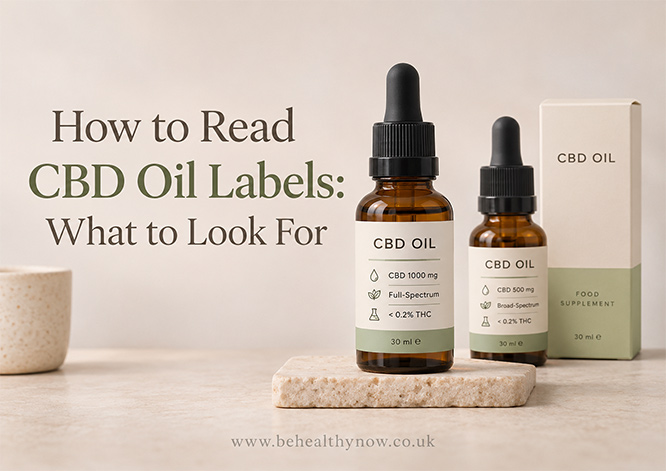
Navigating the world of CBD oil can be perplexing, especially when confronted with various labels displaying numbers like 500 mg, 1,000 mg, and diverse percentages. Many consumers find themselves unsure of what these figures represent or which product to select, often without adequate guidance from retail staff.
This article aims to demystify CBD oil labels, helping you make informed decisions based on accurate information rather than confusion.
Understanding CBD Oil Labels
The numbers on CBD oil bottles typically indicate the total amount of CBD in the entire bottle, not the amount per drop. Common figures include 500 mg, 1,000 mg, or 2,000 mg, while percentages such as 5%, 10%, or 20% represent the concentration of CBD in the oil.
For a standard 10 ml bottle, the following table illustrates the correlation between percentage and total CBD content:
| CBD Strength | Total CBD in 10 ml Bottle | CBD per ml |
|---|---|---|
| 5% | 500 mg | 50 mg |
| 10% | 1,000 mg | 100 mg |
| 20% | 2,000 mg | 200 mg |
The Importance of Bottle Size
When comparing two bottles with the same total CBD content, it is crucial to consider their size. For instance:
- Bottle A: 500 mg CBD in 10 ml = 50 mg per ml
- Bottle B: 500 mg CBD in 30 ml = approximately 16.7 mg per ml
Thus, while both bottles contain 500 mg of CBD, Bottle A offers a higher concentration.
Calculating CBD Content Per Drop
Understanding the amount of CBD you receive per drop is vital, particularly for dosage accuracy. For example, a 5% CBD oil contains about 50 mg per ml, equating to roughly 2.5 mg of CBD per drop. However, drop sizes can vary, so it’s advisable to refer to the manufacturer for precise measurements.
It’s also essential to recognize that a higher concentration of CBD doesn’t necessarily equate to superior quality; understanding your dosage is more critical than simply opting for the highest number.
Types of CBD: Full-Spectrum, Broad-Spectrum, and Isolate
When selecting CBD oil, you may encounter terms like full-spectrum, broad-spectrum, and CBD isolate, which describe the type of extract used:
- Full-spectrum CBD oil: Contains CBD along with other cannabinoids and terpenes from the hemp plant, including trace amounts of THC.
- Broad-spectrum CBD oil: Includes CBD and other hemp compounds, but THC is typically removed.
- CBD isolate: Represents the purest form of CBD, with other cannabinoids and plant compounds eliminated.
Evaluating Full-Spectrum CBD
Full-spectrum CBD is often cited for its potential benefits in sleep, anxiety, and pain relief due to the synergistic effects of the various compounds, known as the entourage effect. However, studies have shown mixed results regarding its superiority over other forms of CBD.
One study involving over 2,800 participants found no significant differences in effectiveness among full-spectrum, broad-spectrum, and isolate forms regarding anxiety, sleep, or pain, although limitations in the research may affect these conclusions.
Choosing the Right Type
Consider your preferences regarding THC. If you want to avoid it, broad-spectrum or CBD isolate might be better options. Conversely, if you’re interested in the entourage effect, full-spectrum CBD may be worth considering, though the evidence supporting its superiority is not robust.
Ingredients to Look For
After determining the strength and type of CBD, examine the ingredient list. CBD is often combined with a carrier oil to facilitate dosage. Common carrier oils include:
- Hemp seed oil: Contains omega-3 and omega-6 fatty acids.
- MCT oil: Derived from coconut oil, featuring a neutral taste.
- Olive oil: Offers a more pronounced flavor.
Differentiating Hemp Seed Oil from CBD Oil
It’s crucial to note that hemp seed oil is not synonymous with CBD oil, as hemp seeds do not naturally contain CBD. Always verify whether a product labeled as “hemp oil” includes CBD and the quantity present.
Assessing Additional Ingredients
Some CBD oils may have added flavorings, terpenes, or other botanical extracts. A shorter ingredient list, free from artificial additives, is generally preferable. However, be aware that natural ingredients can also provoke allergic reactions.
Understanding THC Claims
Claims like “THC-free” or “0% THC” can be misleading. Here’s the distinction:
- THC-free or 0% THC: The manufacturer asserts that the product contains no THC, although minor traces may exist.
- THC not detected: Laboratory tests indicate that THC was not detected, but limitations exist in detection capabilities.
The Significance of Detection Limits
Laboratory tests have a limit of detection (LOD), which defines the smallest detectable amount of a substance. Products labeled as “THC-free” could still expose users to trace amounts of THC, which is important for those subject to drug testing.
Confirming Product Testing
Independent laboratory testing is vital to verify that the product contains the specified amount of CBD. A study by the Food Standards Agency revealed that only 49% of analyzed CBD products contained the advertised CBD amount.
Understanding Certificates of Analysis (COA)
A COA is a laboratory report that details the contents of a product sample. Ideally, it should be from an independent lab. These reports can often be accessed on the manufacturer’s website or via a QR code on the packaging.
Key Elements to Review in a COA
When reviewing a COA, focus on the following:
- Product and batch number: Ensure the report corresponds to the specific product you are purchasing.
- CBD content: Confirm that the lab’s measured CBD amount aligns with the label.
- THC levels: Check for any detected THC content.
- Contaminants: Look for tests for heavy metals, pesticides, and residual solvents.
If a report is unavailable, request one from the seller; if they cannot provide it, consider seeking alternatives.
Making the Right CBD Oil Choice
With a clearer understanding of CBD labels and their meanings, how do you choose the right product? Begin by reflecting on your reasons for using CBD, rather than solely selecting the most potent or expensive option.
Defining Your Goals
Many individuals seek CBD for issues like sleep disturbances, stress, or pain relief, but marketed benefits do not guarantee effectiveness. Research on CBD products is still evolving, so caution is advised when selecting products claiming specific health benefits.
Evaluating CBD Quantity and Cost
When comparing CBD products, consider the total CBD content relative to the price. For instance:
- 500 mg bottle priced at £20: 4p per mg of CBD.
- 1,000 mg bottle priced at £30: 3p per mg of CBD.
While the second bottle offers a lower cost per milligram, it may not automatically be the best choice for your needs.
Prioritizing Safety
Keep in mind that higher CBD concentrations do not guarantee superior results. The Food Standards Agency recommends a maximum daily intake of 10 mg of CBD for healthy adults from food sources as a precautionary measure. Consulting a healthcare professional is advisable if you have health concerns or are on medication.
Lastly, check if the CBD oil appears on the Food Standards Agency’s public list of approved products, which can aid in ensuring product safety.
Reflecting on my initial experience in a CBD shop, I wish I had known the essential factors to consider before making a purchase. Knowledge about product contents and testing can lead to better choices in CBD oils.









Discussion about this post