









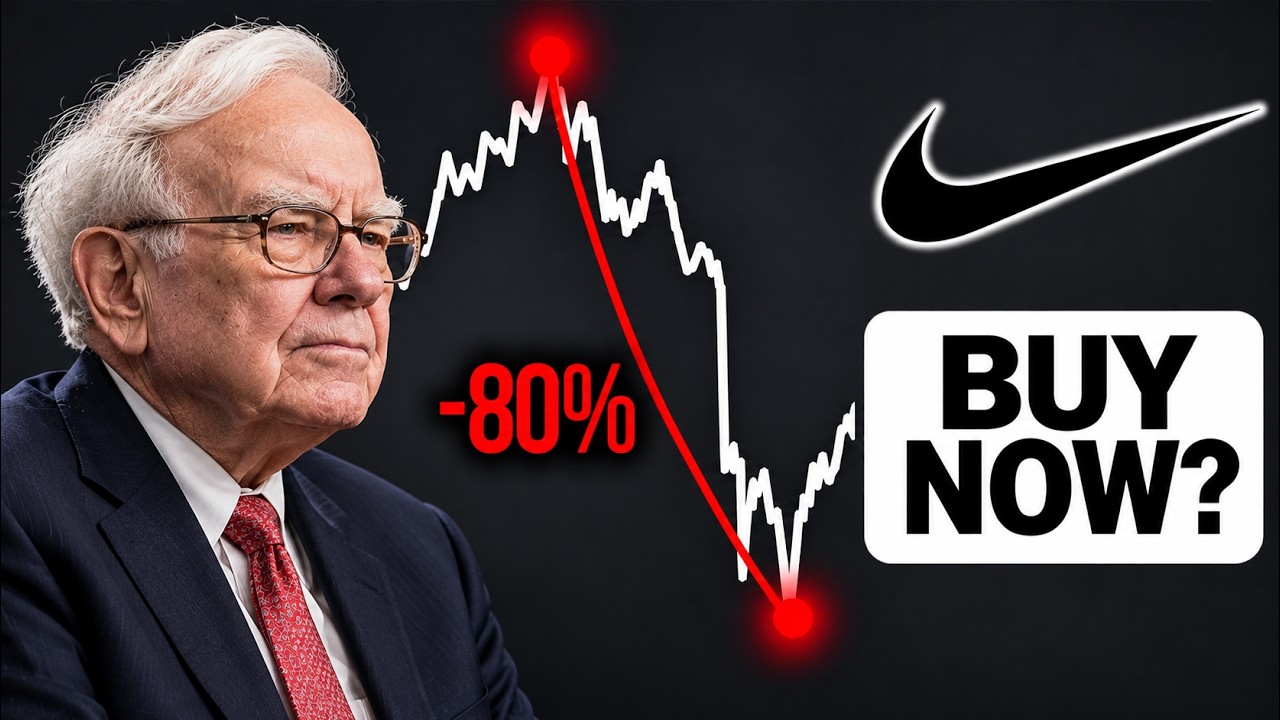
Examining the Downfall of America’s Major Retail Giant
In a shocking turn of events, the largest retail corporation in the United States has experienced a dramatic decline, prompting widespread analysis of the factors contributing to its downfall. Industry experts and analysts are delving into the circumstances surrounding this collapse, which has sent ripples through the retail sector and raised questions about the future of large-scale retail operations.
Factors Leading to Decline
Multiple intertwined factors have been identified as contributors to the retailer’s demise. A significant aspect is the shift in consumer behavior, with an increasing number of shoppers opting for online purchases over traditional brick-and-mortar experiences. This change has been accelerated by the COVID-19 pandemic, which prompted many consumers to embrace e-commerce as a safer shopping alternative.
Additionally, rising operational costs, supply chain disruptions, and intense competition from both online and discount retailers have further strained the company’s financial stability. Analysts point out that the corporation struggled to adapt to these challenges, failing to innovate its business model in a rapidly evolving marketplace.
Impact on Employees and the Economy
The fallout from this collapse extends beyond the corporate boardroom, affecting thousands of employees and local economies. Layoffs and store closures are now a grim reality for many, leading to increased unemployment in regions heavily reliant on the retailer for jobs and economic activity. Local businesses that once thrived alongside the retail giant are also feeling the impact, as diminished foot traffic and consumer spending ripple through communities.
Looking Ahead: The Future of Retail
As the retail landscape continues to evolve, experts emphasize the need for adaptability and innovation in business strategies. The rise of online shopping and changing consumer preferences highlight the importance of embracing technology and enhancing customer experiences. The collapse of this major retailer serves as a cautionary tale for others in the industry, underscoring the critical necessity for responsive and forward-thinking approaches in a challenging economic environment.
In conclusion, the demise of America’s largest retail business marks a significant moment in the retail industry, prompting a reevaluation of traditional practices and a call for strategic transformation. As the sector navigates this dramatic shift, stakeholders are urged to learn from these developments to build a more resilient future.










Discussion about this post