









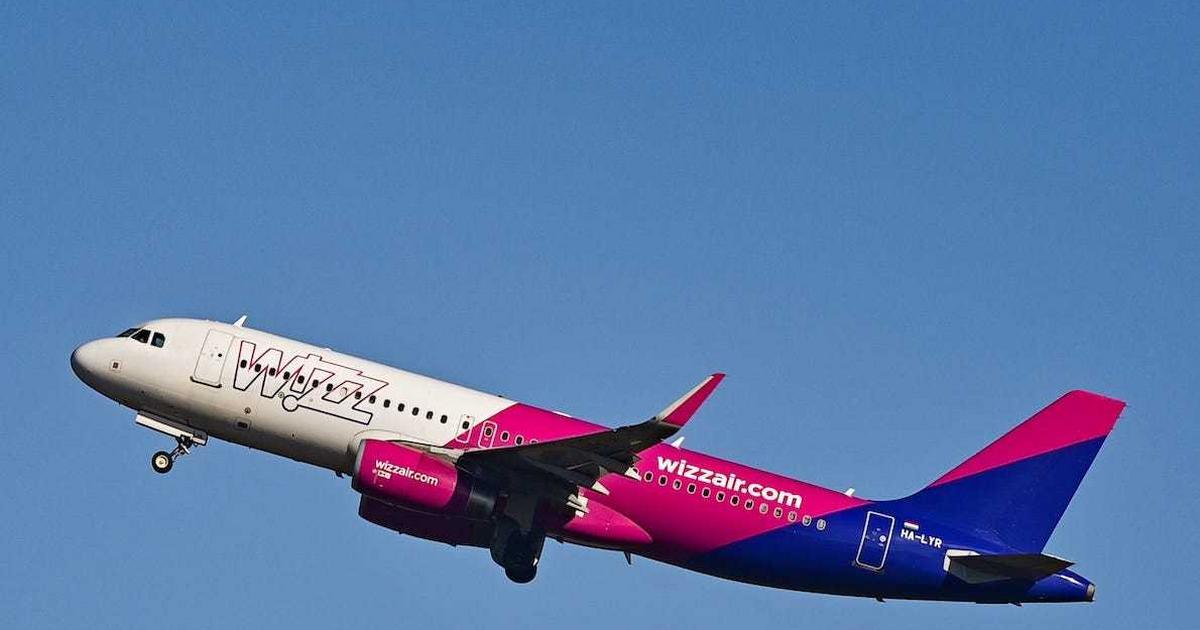
An airline boss, whose comments suggested that pilots should go the extra mile even if they are feeling fatigued, has been accused by a pilot’s union of endangering passenger safety.
The European Cockpit Association (ECA), which represents 40 pilots across 33 countries, is one of several bodies to publicly criticize Wizz Air CEO Jzsef Vradi for seemingly suggesting that airline staff must lower their fatigue levels to cope with labor shortages, flight cancellations, and disruptions.
On Wednesday, the union tweeted a 44-second clip, taken from a briefing by Vradi to Wizz Air staff.
“I understand that fatigue is a potential outcome of the issues, but once we are starting to stabilize the rosters, we also need to take down the fatigue rate,” Vradi said. “I mean, we cannot run this business when every fifth person of a base reports sickness because the person is fatigued.”
He continued: “We are all fatigued, but sometimes it is required to take the extra mile.” Canceling flights was causing huge financial and reputational damage to the airline, he added.
In the tweet, headed with the quote “Deficient safety culture alert!,” the union said it was akin to giving keys to a drunk driver.
The ECA has now written to European safety regulators expressing concerns, according to The Financial Times, and later confirmed by the association.
In the letter, seen by the FT, the union said: “This reinforces our previously shared concerns about Wizz Air’s deficient corporate culture, where inadmissible pressure is exerted on crew to fly on their days off, to extend flight times under ‘commanders’ discretion’ and to refrain from reporting fatigued. Such corporate behaviour is detrimental to passenger flight safety,”
An ECA spokesperson confirmed to Insider that on Thursday, it sent the letter to the executive director of the European Union Aviation Safety Agency (EASA). They have not received a response.
A spokesperson for Wizz Air told Insider the video clip was edited from an all-staff briefing to cabin crew and office employees, as well as pilots.
“Wizz Air and the airline industry are highly regulated, and safety has, and always will be, our first priority. We have a robust and responsible crew management system which meets the needs of our people and enables us to serve as many customers as possible in the current challenging environment,” the spokesperson said.
They did not comment on the ECA’s letter.The EASA did not immediately respond to Insider’s request for comment made outside of normal working hours.
Airlines have to carefully manage fatigue and can’t simply tell pilots to “have another cup of coffee,” John Strickland, an aviation consultant of JLS Consulting, told Insider. He was commenting generally on the “very clear” and “unmovable” regulations, regarding the maximum working hours pilots are allowed to work in a year.
The process considers factors such as the time they start work as well as the impact of circadian rhythms (low points affecting all humans twice per day). If a pilot reports fatigue, airlines have to treat that with utmost seriousness from a safety perspective Strickland said.
Airlines have blamed the delays on staff shortages at airports
Wizz Air, which is Europe’s third-largest low-cost carrier, has 5,500 staff. At 4%, the airline said its crew unavailability had been very low.









Discussion about this post