Categories
Asia

Teen in high-speed police chase who collided with 6 cars handed 18 charges

SINGAPORE: A teenager who allegedly drove multiple cars, including his grandmother’s, while underage and uninsured was handed 18 charges on Thursday (May 28).

The 18-year-old had been arrested after a high-speed police chase in which he collided with six vehicles before fleeing on foot.

The teen cannot be named under the Children and Young Persons Act as he was under the age of 18 at the time of the alleged offences.

According to a police statement, the teen was involved in three separate cases of underage driving.

The first was on Jan 30, 2025, when the then-sixteen-year-old allegedly took his grandmother’s car without her knowledge, as the ignition key was in the unlocked vehicle.

He drove for about one hour before returning the vehicle, the police said.

His grandmother called for police assistance after discovering her car missing.

About a year later, on Jan 8 this year, the police discovered that the teen had driven a deregistered vehicle with a false number plate from Haig Road to Marina Bay Sands.

A week later at about 10.50pm on Jan 16, traffic police officers on patrol along Paya Lebar Road began pursuit of the teen when he sped off in a car upon seeing them.

He was 17 when he allegedly drove at high speed during the pursuit, reaching 174kmh on the East Coast Parkway and 96kmh along Guillemard Road.

The speed limits were 90kmh and 40kmh respectively.

The police said he also ran red lights and drove against the flow of traffic.

The teen allegedly collided with five stationary vehicles along Paya Lebar Road and Guillemard Road, eventually stopping after hitting a sixth stationary car at Marine Parade Road and Still Road South.

He got out on foot to flee but was arrested.

The vehicle the teen was driving in this third incident was found to be a deregistered car bearing a false number plate.

A vaporiser and a pod were found in the car, but no further action was taken in this respect as there was insufficient evidence, the police said.

The teen was charged with multiple offences, including dangerous driving causing hurt, driving while underage, using a deregistered vehicle, using a vehicle without insurance coverage and failing to stop after an accident.

He indicated that he would be pleading guilty and was given a date to do so in July.

Of the penalties he faces, the heftiest is for dangerous driving causing hurt – for which he can be jailed for up to two years, fined up to S$10,000, or both.

Categories
Asia

Hong Kong private tutor jailed for 4½ years over repeatedly molesting boy

A convicted paedophile has been jailed for 4½ years for committing obscene acts against a seven-year-old boy while working as a private tutor in Hong Kong more than two years ago.

Ng Tin-yu, 24, was sentenced on Wednesday for repeatedly molesting the boy at the latter’s home in Kowloon City until a surveillance camera on the premises captured one of the incidents, leading to the defendant’s arrest.

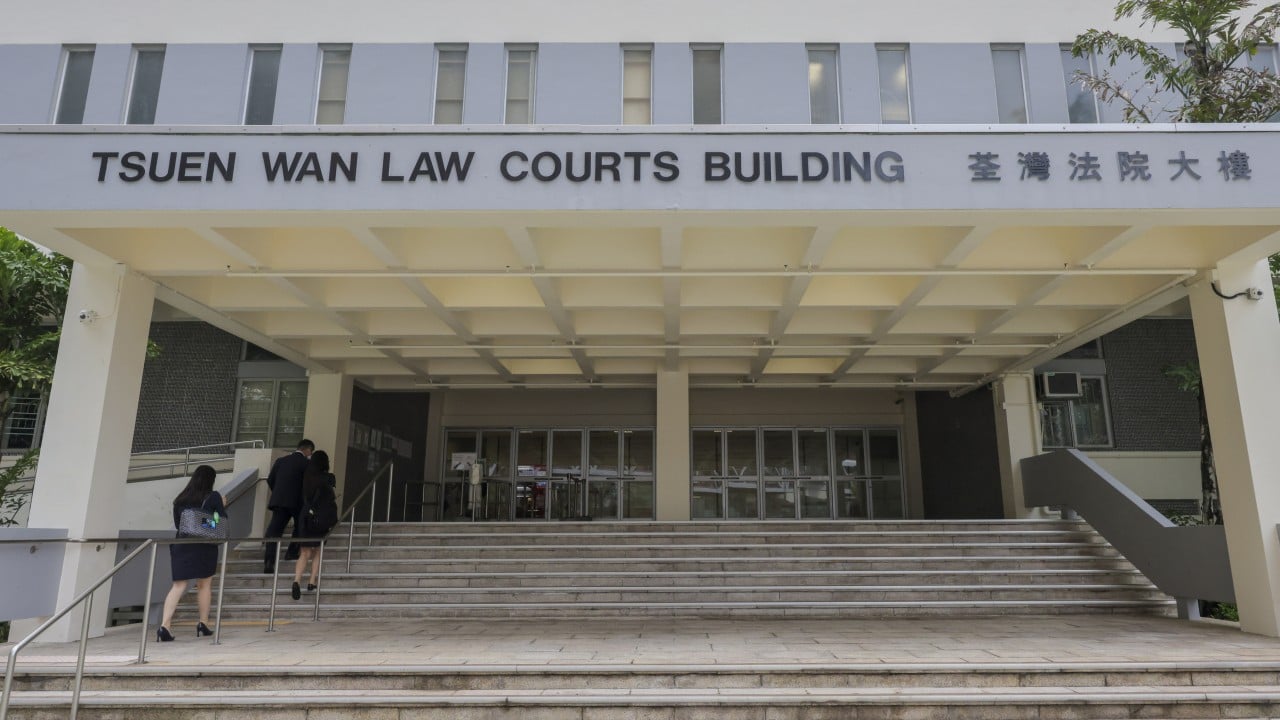
He pleaded guilty earlier this month to nine counts of committing an act of gross indecency towards a child under 16 at Tsuen Wan Court, which now handles District Court cases.

Prosecutors agreed not to pursue four other indecency charges following a plea bargain.

Ng, who was convicted of indecency towards a minor three times as a teenager, committed the more recent offences before a conviction record check scheme was expanded in December 2024, to allow parents to inspect the potential sex offence history of self-employed tutors.

A prosecution case summary said the boy’s parents were out working whenever Ng went to the boy’s residence to help with his homework. The family’s domestic helper, who was also at home at the time, had been unaware of the incidents.

Categories
Asia

AI demand strains supplies of lasers, fiber and other optical tech

20260526 Data Center main image

Global appetite for building AI data centers is pushing up demand and prices for many critical components from lasers and substrates to optical fibers and connectors. (Photo by Chungi Chen)

Tech Asia

China’s supply chain gets a boost as data center buildout sparks shortages and price hikes

Categories
Asia

Old Wounds, New Deals

By: Daniel Mitchum

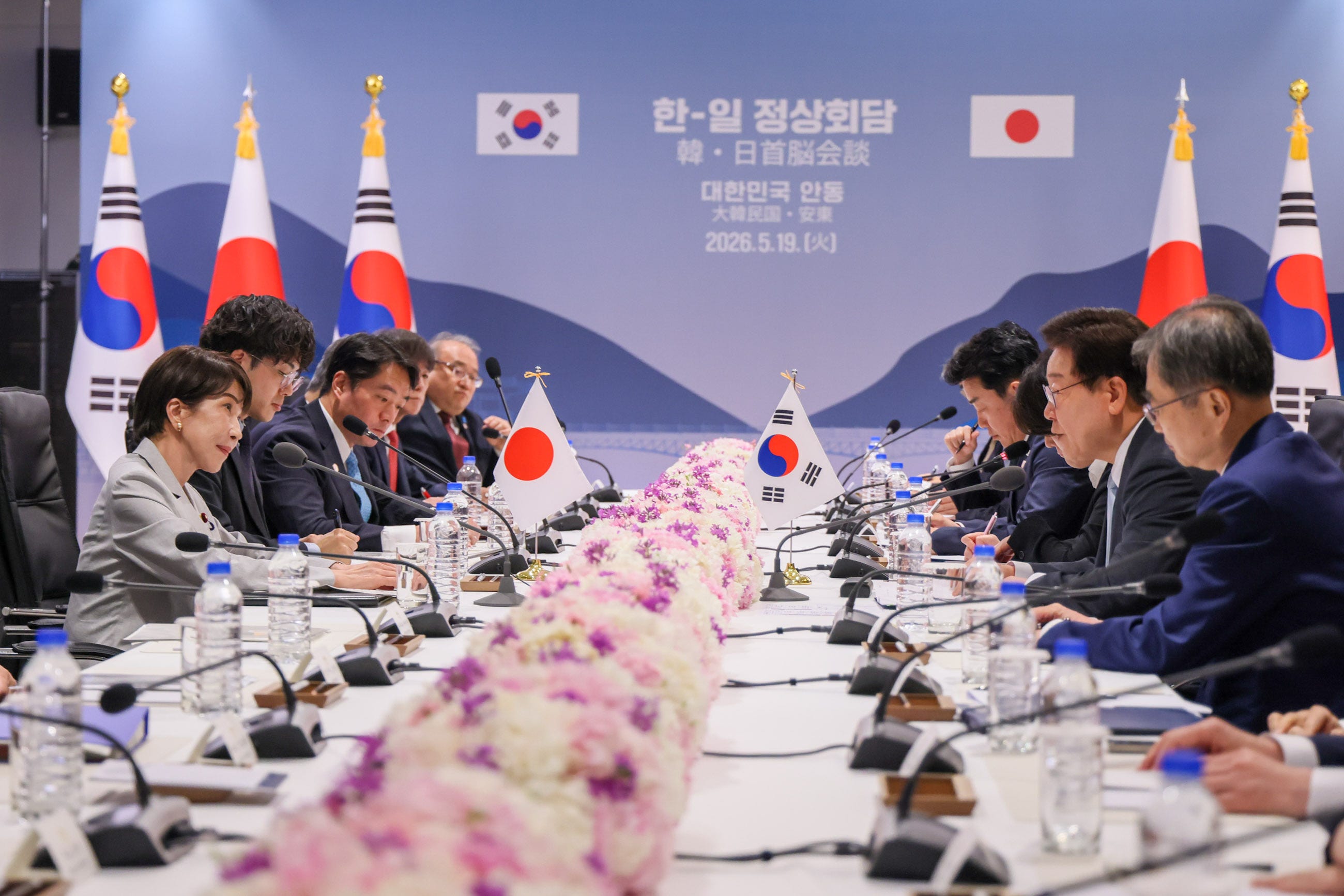
Japanese Prime Minister Takaichi met South Korean President Lee Jae-Myung in Andong. Photo from the Office of Japan’s Prime Minister

Japan and South Korea have agreed to set aside their frequent diplomatic frissons over past history and launch a wide-ranging energy cooperation deal under which they will share information regarding their respective crude oil and LNG capacity in order to help the two nations tide over energy supply chain threats stemming from the Hormuz Strait crisis. This follows an agreement signed earlier in March under which the two countries have pledged to cooperate in stockpiling and swapping petroleum information and products in times of crisis.

Under the terms of the agreement, the two are to share crude oil, liquefied natural gas (LNG), and petroleum products from national stockpiles in the event of an emergency supply disruption and will cooperate under Tokyo’s newly introduced “Partnership on Wide Energy and Resources Resilience” framework, coordinating to back a US$10 billion financial mechanism aimed at helping other Asian countries secure crude supplies.

While details remain mostly undisclosed, the fact that Tokyo and Seoul come to share information regarding the energy supply chain amounts to a significant cooperative deal, as it comes against the backdrop of never-ending diplomatic tensions impeding bilateral economic cooperation. Next to China, Japan and South Korea, two of the world’s most powerful economies, constitute a major exporting power in the global marketplace. This bilateral energy swap deal is especially significant given the periodic diplomatic tensions erupting between the two countries over multiple issues dating back to the period of Japan’s colonial conquest of the Korean peninsula.

Arriving at the city of Andong, south of Seoul, on 19 April, Japanese Prime Minister Sanae Takaichi was all smiles as the occasion marked the 60th anniversary of the normalization of relations between the two countries. Along with South Korean President Lee Jae Myong, she watched the local town’s night-time fire displays, while dining against the backdrop of a piano concert. In a display of growing warmth in the bilateral relationship, Takaichi proposed inviting Lee back to a thermal hot-spring town in Japan for the next round of bilateral summitry.

For Lee and Takaichi, it was their fourth round of high-level meetings. But other than the energy swap deal, little substance has so far emerged. Beneath the surface of diplomatic warmth and banters, neither Lee nor Takaichi could shake off the shadows of new regional tensions lurking over their countries.

For one, their talks followed US President Donald Trump’s summit talks with Chinese President Xi Jinping in Beijing. Their talks were high on symbolism and low on substance, with Xi almost wholly preoccupied with the issue of Taiwan. Xi confronted Trump bluntly over whether the US would come to the aid of Taiwan in the event of China’s attack on Taiwan. The festering issue of global trade, in which the US has retaliated with a series of controversial tariffs, was almost overshadowed by the issue of Taiwan.

Prime Minister Takaichi is directly affected by the worsening atmosphere prevailing over the Taiwan issue. Her suggestion earlier that China’s use of force to retake Taiwan could mean Japan’s considering it a direct security threat has provoked fiery responses from Beijing. China’s bristling attacks on Takaichi’s comment have provoked widespread concern in Tokyo and Washington, prompting Tokyo to strengthen its defense posture while Beijing has begun economic pressure, cutting back on Chinese tourists visiting Japan.

President Lee, on the other hand, has carefully detached himself from the Taiwan issue, preferring to stay away from any comment on its future status. Lee, in fact, caused a diplomatic storm shortly after his inauguration by suggesting that his Taiwan policy would be largely noncommittal. During Takaichi’s visit to Korea, Lee stayed away from commenting on China, refusing to get involved in the issue.

It is clear Lee is attempting a delicate regional balancing between the US-South Korea-Japan trilateral partnership and China. Perhaps indicating his diplomatic priorities, Lee traveled to Beijing in January before meeting Takaichi in Nara this year. Seeking “full-scale restoration of South Korea-China relations,” Lee’s efforts produced mixed results. The leaders made some progress, particularly in free trade negotiations, yet Xi failed to give explicit support for the denuclearization of North Korea.

Furthermore, Lee was unable to secure the resumption of Korean cultural exports into China which had been informally banned since China’s loud protests over the deployment of the THAAD missile battery in South Korea, which Beijing claimed was aimed at China.

As far as Beijing’s relations with Seoul are concerned, another security flashpoint appears in the making with the Lee government’s decision to push for the acquisition of nuclear-powered submarines. While Tokyo has not publicly objected to the program, both North Korea and China have objected to the plan, with Pyongyang stating that the acquisition of nuclear subs would cause “a nuclear domino phenomenon” in the region. Ultimately, the program carries implications for broader regional security which Japan must also manage.

Apart from the energy cooperation deal, their statements indicated no change in their respective views on the current international situation. According to a press statement given by the two sides, Lee mostly evaded the issue of China’s tough stance on Taiwan. Takaichi, however, stated that Japan’s abiding commitment to bring back a dozen Japanese citizens abducted by North Korean agents over four decades ago remains unchanged. How President Lee responded to this statement remains unknown.

Another delicate issue for the two sides was North Korea’s nuclear threats. Lee holds the position that the Kim Jong Un regime should be denuclearized, in principle. Takaichi, however, strongly advocates the policy of Kim’s denuclearization, pointing to the regime’s frequent missile firings over the Sea of Japan. Takaichi’s position is that both Japan and South Korea should get more actively involved in dealing with the regional crisis involving North Korea and China’s saber-rattling over Taiwan. Their differing accent on China as well as on North Korea appeared clear in their respective statements. While Lee stressed peace and stability, Takaichi stuck to a more nuanced position of realizing a “free and open Indo-Pacific region promoting peace and stability.”

Daniel Mitchum is a PhD at the University of Lancashire, now researching in Seoul.

Categories
Asia

How Seoul Business Agency is connecting Seoul startups with Southeast Asia’s innovation ecosystem

As Southeast Asia’s startup ecosystem continues to mature, cross-border collaboration is becoming increasingly crucial for founders, investors, and innovation agencies seeking to scale beyond their domestic markets. Startups today are expanding internationally far earlier than previous generations, driven by growing investor appetite, regional digital adoption, and the need to build partnerships across multiple innovation hubs.

At the same time, governments and public accelerators are playing a larger role in helping startups navigate international expansion. Beyond funding, many ecosystem organisations are now focused on creating stronger pathways for market entry, strategic partnerships, and venture connections that allow startups to compete globally while remaining rooted in their local innovation ecosystems.

This growing emphasis on regional collaboration has created stronger ties between Northeast Asia and Southeast Asia, particularly in sectors such as AI, deep tech, advanced manufacturing, content, and digital transformation. For organisations supporting startup growth, Singapore increasingly serves as a gateway into ASEAN markets, connecting founders with investors, enterprises, and ecosystem builders across the region.

SBA (Seoul Business Agency), the official public accelerator of the Seoul Metropolitan Government, sits at the centre of this movement by supporting startups and SMEs across industries ranging from AI and deep tech to gaming, beauty, fashion, and consumer products. Through funding initiatives, R&D support, and ecosystem-building efforts, SBA works to accelerate the global growth of Seoul’s startup ecosystem while strengthening Seoul’s position as a global innovation hub. At the heart of SBA’s supportive infrastructure is the ‘Seoul Startup Hub’. As Korea’s premier and largest startup hub, it brings together spaces, programs, and networks under one roof, empowering companies at every stage from initial launch to global scale-up.

Supporting startup expansion

SBA plays a key role in Seoul’s broader startup development strategy by supporting both early-stage founders and scaling companies through funding, acceleration, and ecosystem programmes. Seoul Metropolitan City and SBA co-manage the Seoul Vision 2030 Fund, which is targeting approximately US$3.7 billion in committed capital by 2026 across sectors including digital transformation, bio, advanced manufacturing, and creative industries.

Alongside investment initiatives, SBA also provides approximately US$31.5 million in annual R&D grants that support high-growth startups and emerging technologies. This combination of capital access, public sector support, and ecosystem connectivity allows Seoul startups to build stronger foundations before expanding internationally.

These efforts are reflected in Seoul’s growing global standing. As of 2025, Seoul ranks 8th globally and 2nd in Asia in startup ecosystem rankings, with a total ecosystem value of approximately US$112 billion. According to a February 2026 report by Korea’s Ministry of SMEs and Startups, 20 of Korea’s 27 unicorn companies are based in Seoul, underscoring the city’s position as the country’s most concentrated hub of high-growth ventures.

The agency’s mission focuses on accelerating the global growth of Seoul startups by fuelling technological innovation, supporting high-potential ventures, and building stronger connections between founders and international markets. As regional startup ecosystems become increasingly interconnected, organisations such as SBA are helping bridge opportunities between Korean startups and Southeast Asian investors, enterprises, and technology partners.

Also read: From idea to impact: Startups redefining what’s possible in Southeast Asia

Cross-border collaboration

At Echelon Singapore 2026, SBA is bringing five promising Seoul startups to engage directly with Southeast Asia’s venture ecosystem. Its participation reflects a broader strategy centred around cross-border investment, commercial partnerships, and international market expansion.

The agency’s primary focus is to link startups with high-impact matchmaking opportunities involving venture capital firms, multinational corporations, and regional enterprises. Beyond investment, SBA is also looking to support proof-of-concept collaborations, open innovation initiatives, and commercial partnerships that can help startups establish a stronger foothold in ASEAN markets.

This approach aligns with broader regional trends, as startups increasingly seek partnerships that go beyond funding alone. For many growth-stage companies, entering Southeast Asia successfully requires local operational support, enterprise relationships, distribution partnerships, and market validation. Ecosystem organisations that can help facilitate these connections are becoming increasingly valuable as cross-border expansion accelerates.


Also read: Startups driving AI automation, fintech, and accessibility gather at Echelon Singapore 2026

Meeting Seoul Startups at Echelon Singapore 2026

SBA joins Echelon Singapore 2026 alongside founders, investors, corporates, and ecosystem leaders gathering at Suntec Singapore CEC on 3–4 June 2026. The event provides a platform for startups, accelerators, public agencies, and technology companies to exchange ideas, build partnerships, and explore new regional growth opportunities.

As Southeast Asia and South Korea continue building stronger innovation ties, organisations such as SBA are helping create pathways for startups to scale internationally while contributing to a more connected regional startup ecosystem. By visiting the SBA Seoul pavilion, attendees can connect directly with the innovative Seoul-based startups that SBA supports. Echelon Singapore 2026 offers an opportunity for founders, investors, and ecosystem leaders to explore how these cross-border collaborations could shape the next phase of growth across Asia’s technology landscape.

The region is evolving quickly, and Echelon 2026 offers the right place at the right moment to be part of what comes next. Register here to join the conversation.

Want updates like this delivered directly? Join our WhatsApp channel and stay in the loop.

The e27 team produced this article

We can share your story at e27 too! Engage the Southeast Asian tech ecosystem by bringing your story to the world. You can reach out to us here to get started.

Featured Image Credit: SBA (Seoul Business Agency)

The post How Seoul Business Agency is connecting Seoul startups with Southeast Asia’s innovation ecosystem appeared first on e27.

Categories
Asia

How K-Pop and AI Are Reshaping the Dokdo/Takeshima Dispute – The Diplomat

Categories
Asia

Satellite imagery shows new North Korea-Russia bridge nearing completion – Radio Free Asia

Satellite imagery has revealed that North Korea and Russia are scrambling to complete a new high-capacity road bridge across their Tumen River border, and experts told Radio Free Asia that the fervor for completing the project quickly is a sign of increased cooperation and warm relations between Pyongyang and Moscow.

Until now, the only bridge connecting the two countries has been the Bridge of Friendship, a much smaller rail-only bridge that was built in 1959 and had been intended to be a temporary measure until a permanent bridge could be built. That never happened, until now.

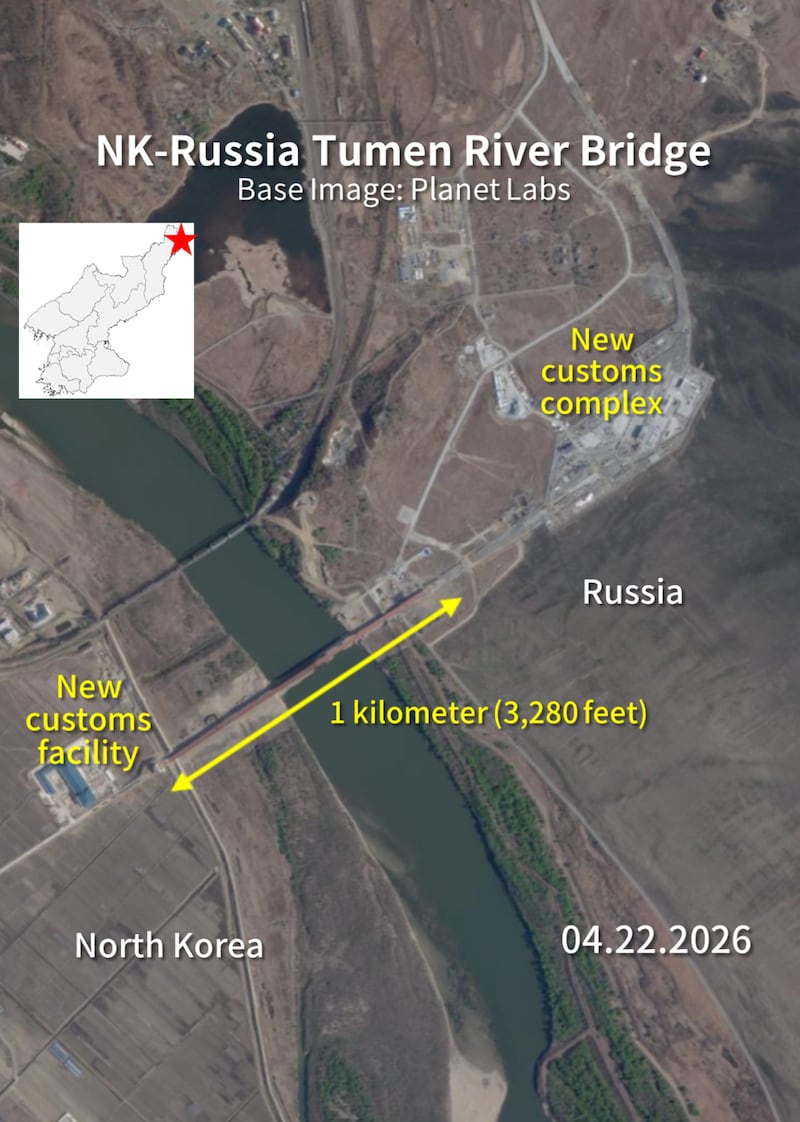
According to satellite imagery, North Korea and Russia are rushing to complete final construction work of customs facilities roads, and checkpoints linked to the Tumen River Bridge.
NK-Russia-tumen-river-bridge-2 According to satellite imagery, North Korea and Russia are rushing to complete final construction work of customs facilities, roads, and checkpoints linked to the Tumen River Bridge. (RFA)

The new bridge, set to open next month, will be capable of handling up to 300 vehicles, and transporting 2,850 people across the border per day, according to Russia’s Ministry of Transport. It spans about a kilometer (3,280 feet) long and will connect the North Korean city of Rason, with the Russian town of Khasan.

“It appears both sides are pushing hard to complete the final construction in time for the official opening scheduled for this summer,” Bruce Songhak Chung, a senior researcher at the Seoul-based Korea Institute for Security Strategy, told RFA. “The project is showing approximately 80% to 90% completion ahead of the official opening.”

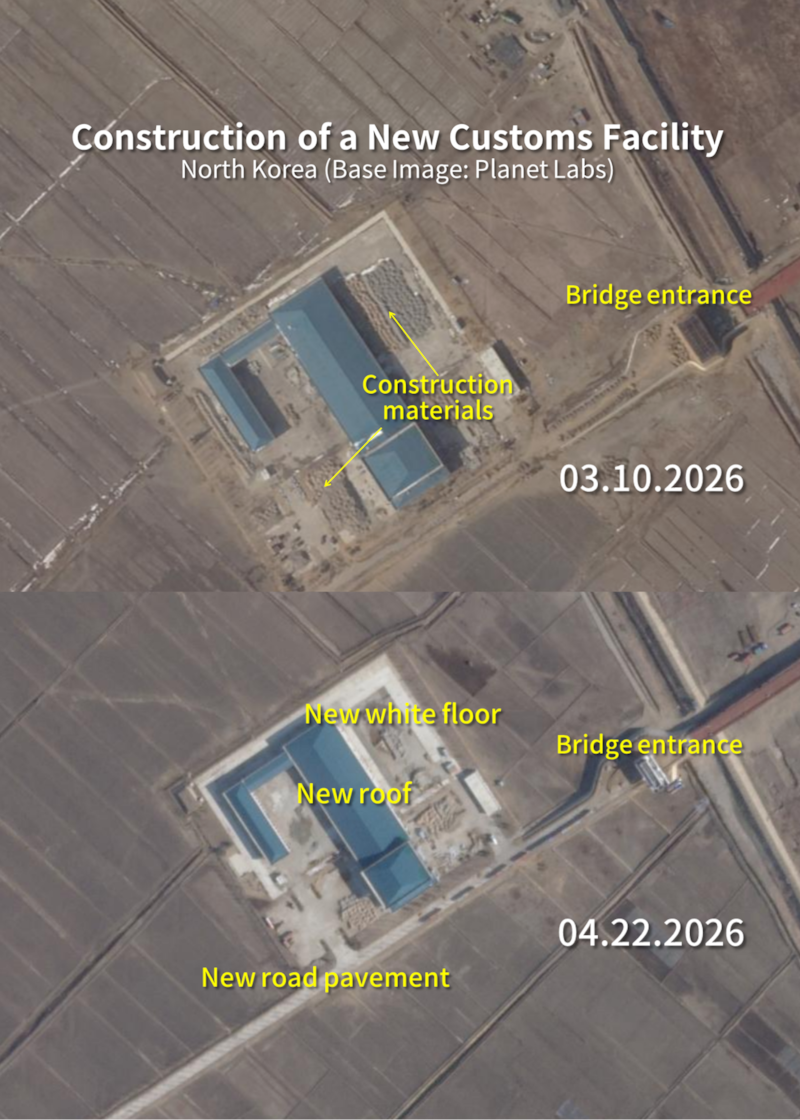
Satellite images from March 10, April 22, and May 16, show the progression of construction on a customs building on the North Korean side. Roofing work is now finished, and ground leveling and paving around the building have progressed significantly, Chung said. Paving work on access roads linking the customs facility is also in its final stages, he said.

Construction of the North Korean customs building, roof structures, and surrounding access roads appears to have been completed or is in its final stages.
NK-Russia-tumen-river-bridge-3 Construction of the North Korean customs building, roof structures, and surrounding access roads appears to have been completed or is in its final stages. (RFA)

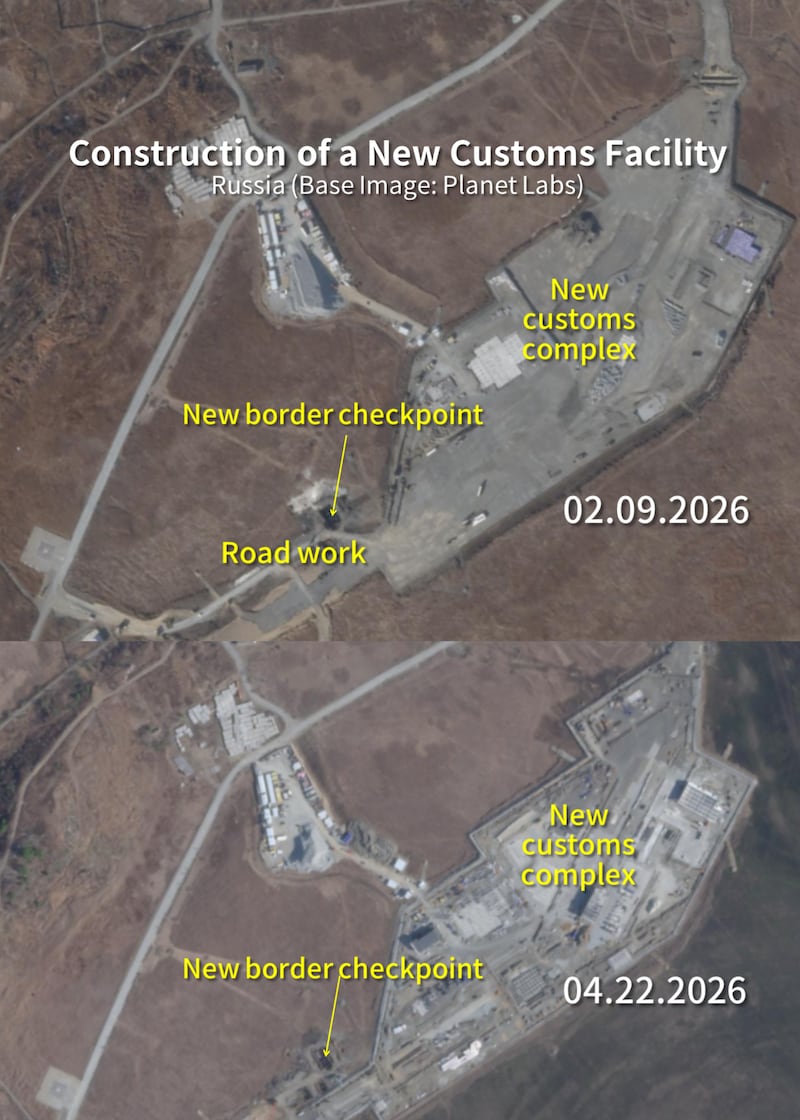
On the Russian side, construction of a large-scale customs complex has advanced rapidly. Satellite images from February and April show that building construction with concrete work, access road paving, and site clearing had all moved forward considerably. A small checkpoint building to inspect vehicles before the bridge is also under construction.

June grand opening

North Korean leader Kim Jong Un and Russian President Vladimir Putin agreed to build the new bridge at a summit in Pyongyang in June 2024. Since then both governments have held events to commemorate its progress.

A groundbreaking ceremony occurred in April 2025, and on April 21 this year, delegations from both countries virtually participated in a bridge connection ceremony.

The Russian custom complex is still under construction. Significant progress was made between March and April 2026 and remains actively underway.
NK-Russia-tumen-river-bridge-4 The Russian customs complex is still under construction. Significant progress was made between March and April 2026 and remains actively underway. (RFA)

On the same day as the connection ceremony, the Russian Embassy in Pyongyang announced that the bridge would be completed on June 19 — six months ahead of its original completion date.

Experts suggest the year-round road crossing will further develop trade, economic, and people-to-people ties between the Russian Far East and North Korea.

Moscow and Pyongyang rapidly increased trade and cooperation following Russia’s isolation from the international community following its invasion of Ukraine in 2022. Since then, the two countries have ramped up trade and cooperation, with North Korea even sending weapons and soldiers to fight on the Russian side.

Military and economic cooperation will only improve once the new bridge is completed, Joung Eunlee, the director of the Seoul-based Korea Institute for National Unification, told RFA.

“Road transport can move larger volumes of freight more quickly than rail and allow more people to travel, so bilateral trade is expected to grow once the bridge opens,” she said.

North Korea could also use the bridge to more aggressively deploy overseas workers to Russia, Kang Dong Wan, a professor of political science at Dong-A University in Busan, South Korea, told RFA.

The cash-strapped North Korean government routinely skirts sanctions by sending legions of workers overseas to earn foreign wages, then confiscates most of it.

The new bridge would further erode the effectiveness of sanctions, experts warned.

Tumen Bridge vs. Yalu Bridge (A barometer of relations)

The rapid progress on the Tumen River Bridge stands in sharp contrast to the New Yalu River Bridge between North Korea and China, which was structurally completed in 2014, but has not yet opened because completion of infrastructure on the North Korean side has stalled.

It was built as a symbol of North Korea-China economic cooperation, with China providing active investment.

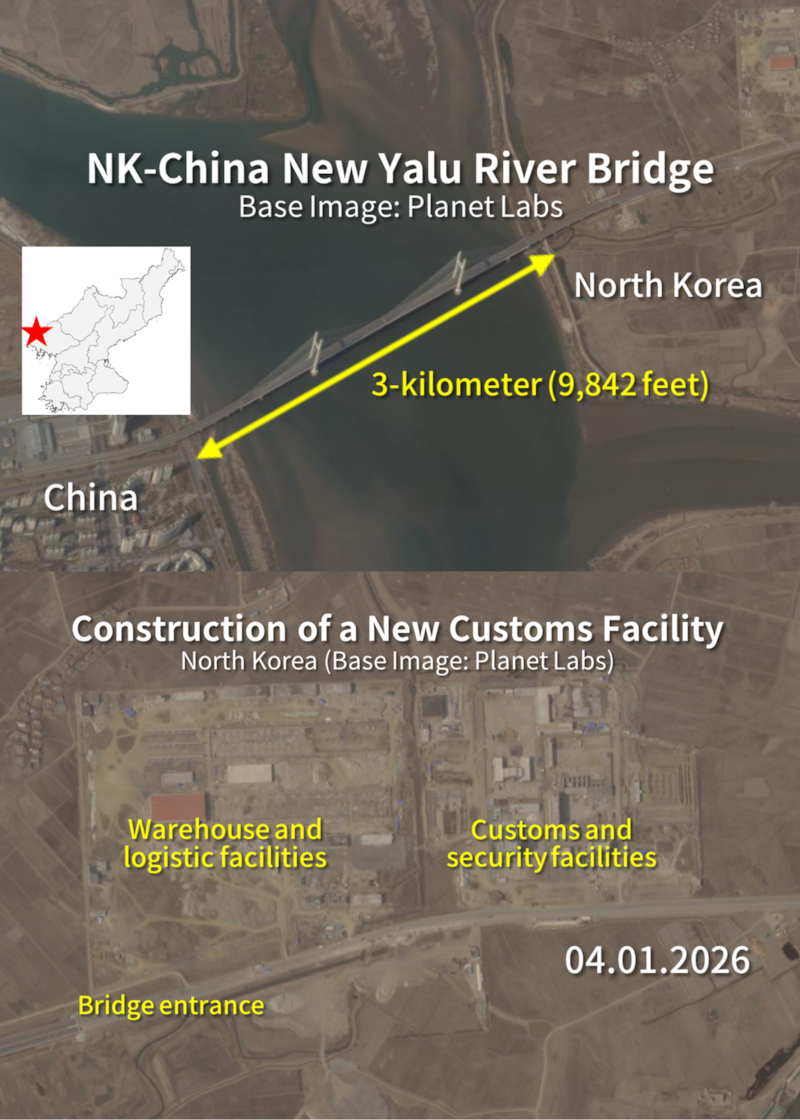
The New Yalu River Bridge between North Korea and China has remained unopened for 12 years. Construction of the North Korean customs facilities has yet to be finished, and it remains unclear when the bridge will officially open.
NK-Russia-tumen-river-bridge-5 The New Yalu River Bridge between North Korea and China has remained unopened for 12 years. Construction of the North Korean customs facilities has yet to be finished, and it remains unclear when the bridge will officially open. (RFA)

Recent satellite imagery of that bridge shows construction of customs facilities in North Korea have made considerable progress, but some areas still have empty lots and construction materials, Chung said.

Analysts say the diverging fates of the two bridges reflect Kim Jong Un’s strategic tilt toward Moscow over Beijing.

North Korea has been less than enthusiastic about opening the New Yalu River Bridge because it fears increased Chinese interference and influence, Andrei Lankov, a Russia-born North Korea expert and professor at Kookmin University in Seoul, previously told RFA.

Kim Jong Un has blocked the completion of that bridge to stop Chinese-style reform from flowing in and destabilizing the existing power structures in North Korea, Ri Jong Ho, a former senior North Korean official, who defected to South Korea in 2014 and currently lives in Virginia, told RFA.

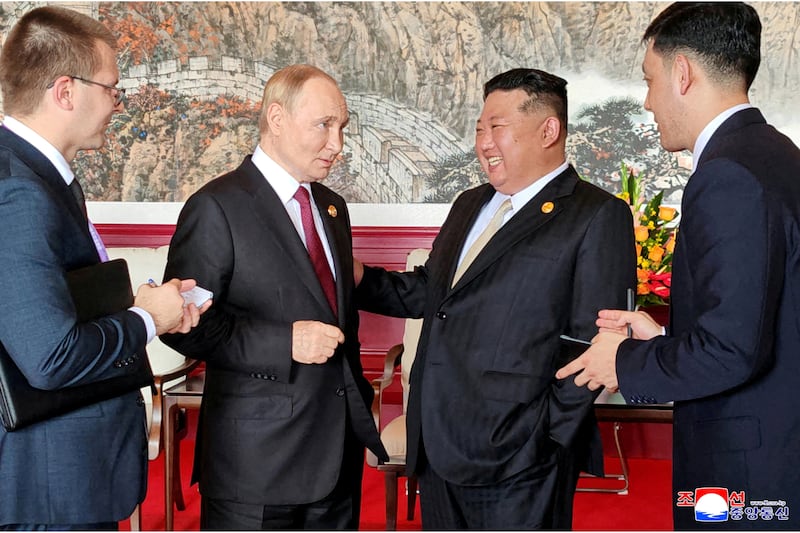
North Korean leader Kim Jong Un speaks with Russian President Vladimir Putin during their visit to Beijing to attend China's commemoration of the 80th anniversary of the end of World War Two, in Beijing, China, September 3, 2025.
NK-Russia-tumen-river-bridge-6 North Korean leader Kim Jong Un speaks with Russian President Vladimir Putin during their visit to Beijing to attend China’s commemoration of the 80th anniversary of the end of World War Two, in Beijing, China, September 3, 2025. (KCNA via Reuters)

“The New Yalu River Bridge has become a barometer of North Korea-China relations. It could open within months depending on Kim Jong Un’s decision — or it could take another decade, or remain closed beyond the Kim Jong Un era,” Ri said.

The rapid push to complete the Tumen River road bridge reflects Kim’s judgment that cooperation with Russia is far safer and more advantageous than with China, Ri said.

Edited by Eugene Whong.

Categories
Asia

Iran’s Geography Powers Trade Shift Beyond Seas | World

Tehraninfo-icon Freight train traffic between Chinainfo-icon and Iraninfo-icon has accelerated sharply since the start of a USinfo-icon naval blockade in the Persian Gulfinfo-icon, underscoring Tehran’s widening shift toward overland trade corridors as neighbouring countries move to facilitate Iranian commerce despite Western pressure.

Cargo trains travelling from Xiinfo-icon‘an in central China to Tehran have increased from roughly one train per week before the conflictinfo-icon to one every three to four days since the blockade began on April 13, according to a Bloomberg report. The route through Kazakhstaninfo-icon and Turkmenistaninfo-icon has emerged as a critical artery in Tehran’s effort to offset maritime disruptions and maintain trade flows.

The increase in rail traffic comes as Iraqinfo-icon issued a direct order to customs authorities across the country requiring the activation of transit and transshipment operations for Iranian goods through Iraqi territory, expanding Tehran’s access to alternative trade routes.

Under directives from Iraqi Prime Minister Mohammed Shiainfo-icon al-Sudani’s government, customs offices across northern, central, western and southern Iraq, as well as air cargo facilities and Baghdadinfo-icon International Airport, have been instructed to facilitate the transit and reloading of Iranian goods.

The move effectively integrates Iraq’s land and air transport infrastructure into Iran’s transit network at a time when Tehran faces mounting pressure from a maritime blockade intended to isolate its economyinfo-icon.

The US-led naval restrictions, imposed during the wider regional conflict involving Iran, Israelinfo-icon and allied Gulf states, were designed to inflict economic pressure by constraining Iranian shipping and energy exports. However, rather than cutting Iran off, the measures appear to have accelerated Tehran’s transition toward land-based supply chains and regional transport networks.

Iran’s strategic geographic position between Asiainfo-icon, the Middle Eastinfo-icon and Eurasia has enabled it to redirect cargo toward overland corridors connecting China, Central Asiainfo-icon, Afghanistaninfo-icon, Turkeyinfo-icon and Russiainfo-icon.

According to data from the Islamic Republic of Iran Railways, more than 40 freight trains from China have entered Iran since the beginning of this year. That compares with just seven trains operating on the route during the previous seven years combined, signalling a dramatic acceleration in rail-based trade.

The China-Iran rail corridor runs through Kazakhstan and Turkmenistan, keeping cargo traffic far from maritime routes vulnerable to naval restrictions. Analysts say direct interference with such land networks could risk broader geopolitical consequences involving Beijing.

The rail expansion forms part of a longer-term strategy pursued by Tehran to reduce exposure to sanctions and external pressure by building logistical partnerships with regional and international allies.

In October, Iran began exporting diesel by rail to Afghanistan through the 225-km Khaf-Herat rail line connecting Iran’s northeastern Khorasan Razavi province to Herat.

Earlier, China launched a direct freight rail service to Hairatan in northern Afghanistan, while Uzbekistaninfo-icon and Afghanistan later announced plans to extend rail connectivity to Herat, approximately 130 km from the Iranian border.

Iran has also committed billions of dollars to develop a North-South transportation corridor linking the country with Russia, part of broader efforts to diversify commercial routes.

Kambiz Etemadi, head of the container committee of Iran’s national shipping association, said Iran could shift as much as 40% of its conventional maritime trade toward overland transport systems.

On Friday, Iran launched the operational phase of the Sarakhs Economic Zone in Khorasan Razavi province near the Turkmenistan border in another effort to strengthen trade connectivity with China and Central Asia.

The free zone possesses annual cargo handling capacity of 10 million tonnes but currently processes only around 2.8 million tonnes.

Rasoul Rais Jafari, chief executive of the Sarakhs Free Zone Organization, said previous traffic constraints stemmed partly from a lack of return cargo to China. He said exports of zinc and copper concentrates are expected to create return loads that could make rail transportation economically more competitive than maritime shipping.

According to Iranian officials, Sarakhs possesses infrastructure supporting both broad-gauge and standard-gauge railway systems and can process up to 1,000 waggons daily in cooperation with a Chinese logistics company.

The project follows three decades of development and aligns with broader Iran-China cooperation under the two countries’ 25-year strategic partnership agreement.

Sarakhs also forms part of the 925-km Kazakhstan-Turkmenistan-Iran railway network inaugurated in 2014 by the leaders of the three countries, with annual freight capacity estimated at between three and five million tonnes.

Turkey is also being considered as a potential alternative trade gateway. Turkish infrastructure already functions as a major logistics platform for imports, manufacturing and transit operations, and Iranian officials have suggested portions of trade traditionally routed through the United Arab Emiratesinfo-icon could be redirected there.

Beyond China and Turkey, Tehran has sought to deepen commercial integration with the Eurasian Economic Union (EAEU) through a preferential trade framework under which tariffs on approximately 88% of Iranian commodity groups have been eliminated.

Iranian officials describe the arrangement as giving Tehran an advantage not available to other regional players such as Turkey and China.

Iran currently maintains a trade volume of roughly $25 billion with the UAEinfo-icon, including $15 billion in imports and $10 billion in exports. Officials say a large proportion of imported goods are re-exported products originating elsewhere, creating opportunities to diversify sourcing channels.

Iranian economic studies suggest trade with EAEU member states could increase from approximately $5 billion currently to $15 billion over the next two to three years.

Iranian officials say the expansion of transport and trade corridors demonstrates that efforts to economically isolate the country may instead be strengthening its role as a strategic transit bridge linking East and West.

Analysts say whether these alternative routes can permanently replace maritime commerce remains uncertain, but recent developments suggest Tehran’s regional connectivity strategy has gained renewed urgency under geopolitical pressure.

Categories
Asia

Asian Express Newspaper – From Harehills to history-maker: Salma Arif’s rise sends a powerful message to Britain

Ten years ago, when Salma Arif became one of the city’s youngest councillors, she sat down with Asian Express and spoke about growing up in Harehills with honesty, pride and deep affection for the community that shaped her.

“I am the product of Harehills,” she said back then. This week, those words feel more powerful than ever.

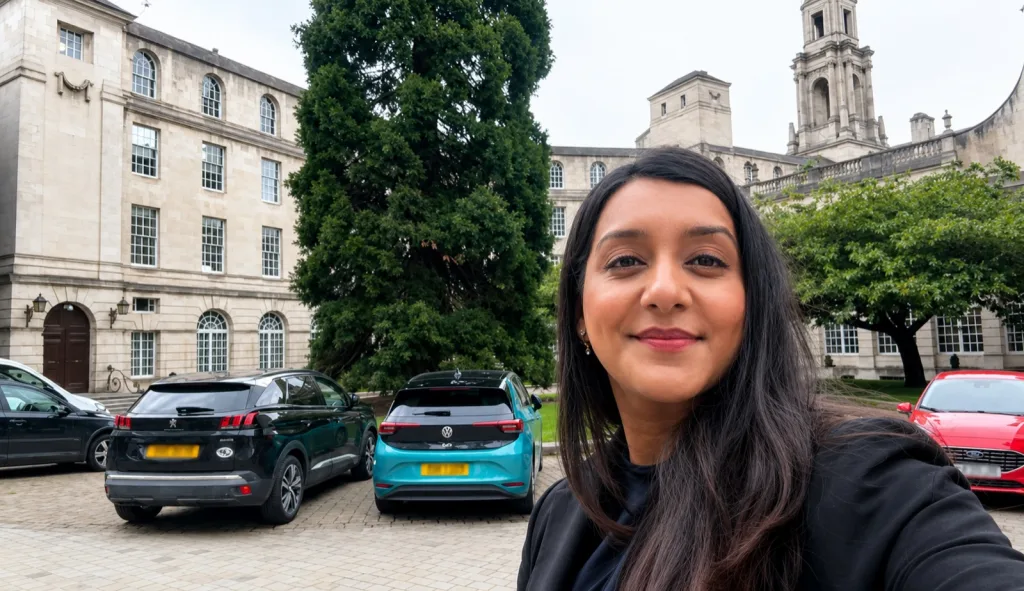
Because the girl from Harehills who once wondered whether people like her truly belonged in politics has just made history – becoming the first Muslim Deputy Leader of Leeds City Council.

And at a time when British Muslims are increasingly facing hostility, suspicion and toxic public rhetoric, her appointment feels about far more than politics.

For many across Yorkshire’s Muslim communities, her appointment feels bigger than politics. It feels personal.

Salma’s story has never been one of polished political ambition or carefully manufactured image. It is rooted in family, identity and community – in the everyday realities of Leeds life that so many people across Yorkshire instantly recognise.

Her forefathers arrived in Leeds in the 1930s after serving with British Forces during the Second World War. Like thousands of immigrants who helped rebuild Britain, they came searching for opportunity, stability and a future for the generations that would follow.

Back then, they could never have imagined that one day their granddaughter would help lead one of the UK’s biggest cities.

But this week, she did exactly that.

In a deeply personal statement shared following her appointment, Salma reflected on that journey.

“Never in a million years would young me from Harehills have believed this was possible,” Salma wrote. I hope young people across our communities can look at this and know that where you come from should never limit where you can go.”

She added: “My forefathers, who first arrived in Leeds in the 1930s, would never have deemed it possible that one of their own would one day hold this position.”

There is something deeply relatable about the way she speaks. No political slogans. No performance.

Just gratitude, disbelief and a very real understanding of what this moment means – particularly for communities who often feel overlooked, talked about rather than listened to, and visible only when headlines turn negative.

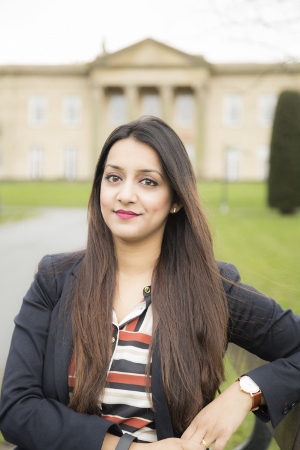
LEADER: Salma Arif was elected as the councillor of Harehills and Gipton with 79 per cent of the votes – the second largest majority in the city
2016 Library Picture

Since first being elected in 2016 with one of the city’s largest majorities, she has built a reputation as a grounded, community-focused politician who remained closely connected to the realities of inner-city Leeds long after entering civic office.

Over the years, she has become one of the city’s most recognisable voices on inequality, youth opportunity, public health and community cohesion.

She has spoken openly about poverty in Harehills during the cost-of-living crisis, warning families were reaching breaking point as food bank queues stretched for hours.

She has championed accessible sport, culture and community investment, including backing major regeneration projects and sports facilities designed to create opportunities for young people in underserved areas.

And during some of Leeds’ most difficult moments – including last year’s disorder in Harehills – she was among the local figures publicly urging calm, working to reassure residents and protect community relations as tensions escalated.

But perhaps most significantly, Salma’s rise comes at a time when many British Muslims feel increasingly alienated from political discourse altogether.

Across the UK, concerns around Islamophobia, online hate, far-right rhetoric and hostile public narratives have intensified in recent years. Muslim politicians, particularly women, have frequently found themselves subjected to abuse simply for existing visibly in public life.

Against that backdrop, Salma Arif’s appointment carries symbolic weight far beyond Leeds Civic Hall.

It is a reminder that representation matters – not as tokenism, but as proof that British institutions still have the capacity to reflect the communities they serve.

Perhaps that is why this moment feels so significant.

“Growing up in Harehills shaped who I am,” Salma said this week.

“It taught me resilience, compassion and the importance of fighting for people whose voices are too often overlooked.

“To now be in a position to help lead the city I love is something I will never take for granted.”

Categories
Asia

یہودی تنظیم کو دھمکیاں دینے والا شخص فردِ جرم عائد ہونے کے بعد عدالت طلب – VOSA


نیوجرسی: یہودی تنظیم کو دھمکیاں دینے والا شخص فردِ جرم عائد ہونے کے بعد عدالت طلب – VOSA