Categories
Egypt

Egypt Considers New Laws on Online Betting, Rumours, and Children’s Social Media Use

Egypt’s parliament is preparing to discuss proposed amendments targeting online betting platforms, cyber extortion, and the spread of online rumours, according to statements by MP Ahmed Badawi, head of the House of Representatives’ Communications and Information Technology Committee.

In statements to Al-Shorouk, an Egyptian daily newspaper, Badawi said the government is expected to submit amendments to Egypt’s Cybercrime Law after Eid al-Adha.

The proposed changes would explicitly criminalise online betting applications following what he described as a rise in fraud cases linked to such platforms.

According to Badawi, current legislation already penalises illegal electronic applications used in cybercrimes, but does not specifically mention online betting. He said the new amendments would directly address electronic gambling and introduce tougher penalties, which could reach life imprisonment in major cases involving organised criminal networks and large-scale fraud.

The proposed amendments would also expand provisions related to cyber extortion and the spread of false information online. Badawi said lawmakers are seeking to update existing legislation in response to the rapid growth of digital platforms and new technologies.

He added that the proposed amendments would target rumours intended to spread false information or create what he described as “a climate of despair” in the public sphere, noting that individuals who publish or share such content could face penalties under the revised law.

Separately, Badawi said parliament has completed initial discussions on a draft law regulating children’s use of social media platforms after holding seven hearings on the issue. According to his statements, the government is currently finalising the legislation before submitting it to parliament.

The proposals come amid wider debates in Egypt over internet regulation, online fraud, rising data costs, and the impact of social media platforms on children and young users.


Shop Egyptian Streets Store

Categories
Egypt

AOI explores new cooperation, investment opportunities with French Chamber of Commerce

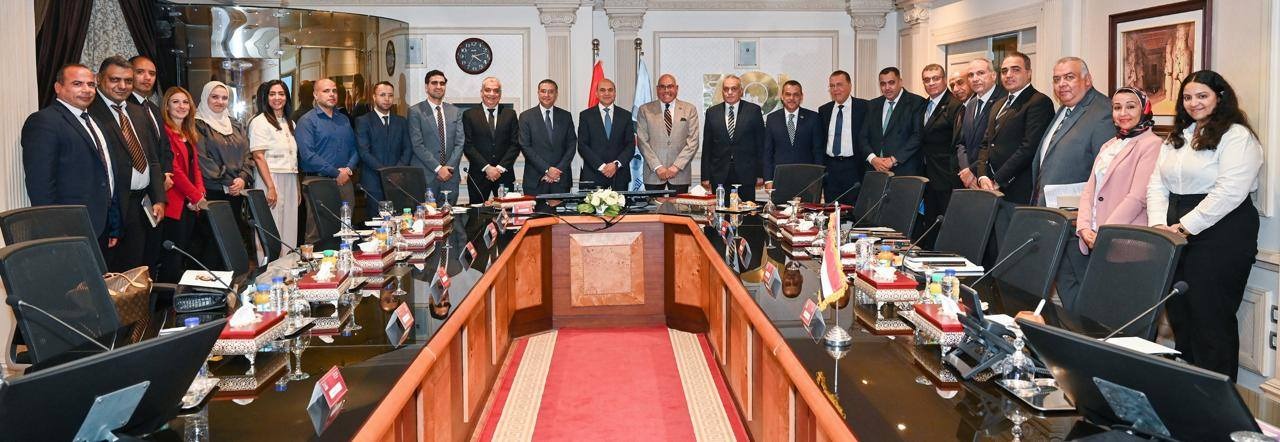
Mokhtar Abdel Latif, Chairperson of the Arab Organization for Industrialization (AOI), held talks with Emad El Senbaty, Chairperson of the French Chamber of Commerce in Cairo, joined by representatives of the chamber’s industry committee headed by Ahmed El Assar.

The discussions, held within AOI’s mandate to strengthen industrial and trade relations and attract investment to Egypt, focused on manufacturing capabilities, promising investment opportunities, and the exchange of expertise across diverse industrial sectors.

Talks highlighted AOI’s strategy to increase local content, localize technology in line with Fourth Industrial Revolution standards, and modernize manufacturing mechanisms to support the goals of Egypt’s “New Republic.”

Both sides explored potential partnerships leveraging AOI’s advanced manufacturing capabilities and French industrial expertise in sectors including electronics, IT, communications, artificial intelligence, electric vehicles, transport, renewable energy, infrastructure, and other industries.

AOI explores new cooperation, investment opportunities with French Chamber of Commerce

Abdel Latif emphasized AOI’s commitment to expanding cooperation with major French companies, participating in development projects, and meeting local market demand with internationally competitive products, while also opening new export markets. He welcomed visits by French companies and investors to AOI’s factories and subsidiaries to explore manufacturing capabilities and partnership opportunities.

El Senbaty affirmed that Egypt remains an attractive destination for French investment, with strategic importance across Africa and the Arab region. He described AOI as the industrial backbone of the Egyptian state and noted strong interest among French companies in expanding cooperation in technological fields.

Ahmed El Assar, Chairperson of the chamber’s industry committee, praised AOI’s historic role in Arab and African industry and its advanced technological capabilities, expressing hope for deeper cooperation across industrial and development projects.

Categories
Egypt

Nespresso Celebrates 40 Years of Excellence in Coffee: A Continuous Journey Of Innovation, Craftsmanship, And Exceptional Taste

Cairo, Egypt – May 21 – 2026 – Nespresso celebrates 40 years of redefining the coffee experience, marking four decades of innovation, craftsmanship, and an unwavering commitment to quality. Since its pioneering launch in 1986, the brand has transformed coffee from a daily habit into a refined ritual, elevating every cup through precision, creativity, and sensory pleasure.

Categories
Egypt

Grand Egyptian Museum Warns of Fake Ticket Websites and Social Media Scams

The Grand Egyptian Museum (GEM)  issued an urgent warning on Saturday 23 May to both international and local visitors regarding a renewed wave of cyber scams that impersonate the museum and target people attempting to book admission tickets.

In a statement, the museum’s CEO, Ahmed Ghoneim, said specialized teams are continuously monitoring dozens of fraudulent websites and fake social media pages that lure unsuspecting tourists with promises of “immediate booking” or discounted tickets, with the aim of stealing credit card details and personal data.

Ghoneim said the museum has been working closely with cybercrime authorities to counter the threat and has already dismantled a wide network of these digital traps.

He added that more than 50 fraudulent websites have been shut down inside and outside Egypt, while emphasizing that the scams continue to resurface despite enforcement efforts.

As a result, the museum reiterated a key safeguard for travelers: the only secure, authorized way to obtain tickets is through the museum’s official website.

The warning comes amid strong global interest in the Grand Egyptian Museum, one of the world’s largest archaeological institutions.

The museum is located on more than 500,000 square meters near the Giza Pyramids and contains more than 100,000 artifacts, including over 50,000 items displayed to the public for the first time—featuring, among other treasures, the legendary collection associated with King Tutankhamun.

The museum’s leadership renewed its call for heightened vigilance, stressing that visitors should never share personal credentials or financial information with any platform other than the museum’s verified official booking channel.


Shop Egyptian Streets Store

Categories
Egypt

Opinion | Canada Welcomes the World: The FIFA World Cup 2026™

World Football Day at the United Nations on May 25 underscores a compelling reality: the FIFA World Cup 2026™ stands as a powerful testament to what countries can achieve through sustained international cooperation. Canada, the United States, and Mexico will each host matches while jointly delivering the largest and most ambitious World Cup in history—an achievement that reflects not only regional coordination, but also the kind of partnership increasingly required to navigate a complex and interconnected world.

The tournament has already demonstrated that when countries align around a shared objective, meaningful progress follows. Cross-border cooperation has deepened, from enhanced security coordination to strengthened information-sharing and operational planning—all in pursuit of a safe and successful global event. Beyond sport, the World Cup offers a forward-looking model of collaboration: one rooted in openness, shared prosperity, and collective responsibility.

Canada approaches the FIFA World Cup 2026™ with a clear sense of purpose grounded in its values and international outlook. As one of only four countries to have hosted both the Women’s and Men’s FIFA World Cup, Canada brings experience, institutional strength, and a steadfast commitment to inclusive and responsible hosting. The tournament provides an opportunity to showcase Canada’s culture, the diversity of its communities, and its enduring respect for Indigenous Peoples, whose presence and partnership are central to hosting on this land. At its core, Canada’s approach is anchored in delivering a World Cup that is safe, welcoming, and grounded in mutual respect.

This effort also reflects Canada’s broader role on the global stage. Working closely with partners across borders, Canada contributes to strengthening systems that support security, economic resilience, and people-to-people ties. These are the foundations not only of a successful tournament, but of long-term stability and shared progress. Here in Egypt, we are a trusted partner, sharing priorities in promoting peace, stability and security, while strengthening trade and people-to-people ties.

Canada’s pragmatic, collaborative, and values-driven approach, on full display in the joint delivery of the FIFA World Cup 2026™, underscores its role as a partner others can depend on, whether advancing global initiatives, strengthening economic ties, or addressing shared challenges. The lesson of this historic tournament is clear: when trust is established, cooperation deepens—and with it, the foundation for lasting, shared success.

Ulric Shannon is a career diplomat in the Canadian Foreign Service who has specialised in stabilisation and conflict issues, mainly in the Arab and Muslim worlds. From 2016 to 2019, he served as Canada’s consul general in Istanbul, Turkey. From 2019 to 2021, he served as ambassador of Canada to the Republic of Iraq, overseeing one of Canada’s largest development, humanitarian, stabilisation, and military assistance programs anywhere in the world. From 2022 to 2024, he was the Director General for Peace and Stabilisation Operations at Global Affairs Canada. In 2013, he was awarded a Foreign Language Fellowship by Global Affairs to pursue an advanced level of proficiency in Arabic, and in2022, he received the department’s Foreign Language Award for his efforts to promote Canada’s interests in Iraq and to create high visibility for Canada’s contributions to development and stabilisation in Iraq, using his Arabic language skills with both traditional and social media. His previous postings have also included Egypt, the Palestinian Territories and Pakistan.


Categories
Egypt

Iconic Computer Games From the 2000s

If there’s one universal thing about our childhood, it must be the legendary computer games we all grew up playing in the 2000s. Even if you had a favorite game that you believed no one else heard of (or at least that’s what you thought), there were staple games we were sure to find at every household across the country and could safely claim shaped an entire generation. 

Whether you thought you mastered cruising the streets of Vice City alone or reached as high as you can in Icy Tower’s endless levels, you were proven wrong as soon as you found your family and friends playing the same games. 

Digging Jim

Feeding Frenzy

Grand Theft Auto: Vice City

Hercules

Icy Tower

Spider-Man

Bonkheads

Categories
Egypt

Egypt Confirms No Ebola Cases, Urges Citizens to Avoid Non-Essential Travel to Affected Areas

Egypt’s Ministry of Health and Population announced on Sunday, 24 May, that the country remains free of Ebola cases, stressing that the current risk to citizens remains low despite growing global concern over the virus.

Ebola is a severe viral disease that can cause fever, internal bleeding, and organ failure. According to the World Health Organization, past outbreaks have had fatality rates ranging from 25 to 90 percent depending on the outbreak and access to treatment.

In a statement, the ministry said it is closely monitoring international epidemiological developments following the World Health Organization’s (WHO) declaration of a global health emergency after Ebola cases were reported in several countries.

The ministry urged citizens to postpone non-essential travel to Ebola-affected countries and regions to ensure their safety. For those who must travel, authorities advised adhering strictly to preventive measures issued by local health authorities and avoiding direct contact with suspected cases or bodily fluids.

The statement also confirmed that Egypt has raised preparedness levels across all air, sea, and land entry points. According to the ministry, quarantine departments have intensified health screening procedures for arrivals coming from affected countries, with travelers monitored for 21 days.

Citizens experiencing symptoms such as sudden high fever, severe weakness, muscle pain, vomiting, diarrhea, or unexplained bleeding were advised to immediately seek medical attention or contact the ministry’s hotline at 105.

The ministry clarified that Ebola spreads only through direct contact with the bodily fluids of an infected person, including blood, saliva, and other secretions. It emphasized that the virus is not airborne and that infected individuals are not contagious before symptoms appear.

The Ministry of Health added that it continues to coordinate with the World Health Organization to monitor developments and update preventive measures as needed, while urging the public not to circulate rumors or rely on unofficial sources of information.

The virus was first identified in 1976 and outbreaks have occurred periodically since in parts of Africa, prompting international health monitoring and travel precautions.

Shop Egyptian Streets Store

Categories
Egypt

How has Great Pyramid survived earthquakes for 4,600 years?

For more than 4,600 years, the Great Pyramid of Giza has stood almost unchanged on the edge of the Egyptian desert. A new scientific study suggests that its extraordinary resilience may stem not only from its immense size, but also from a combination of sophisticated construction, favourable geology, and a natural resistance to earthquake vibrations.

The study, published on 21 May in Scientific Reports, found that the Pyramid of King Khufu possesses dynamic and geological characteristics that may have protected it from severe earthquake damage over thousands of years.

At the centre of the research lies a simple but enduring question: why has the Great Pyramid remained remarkably stable despite millennia of earthquakes, environmental stress, and ageing?

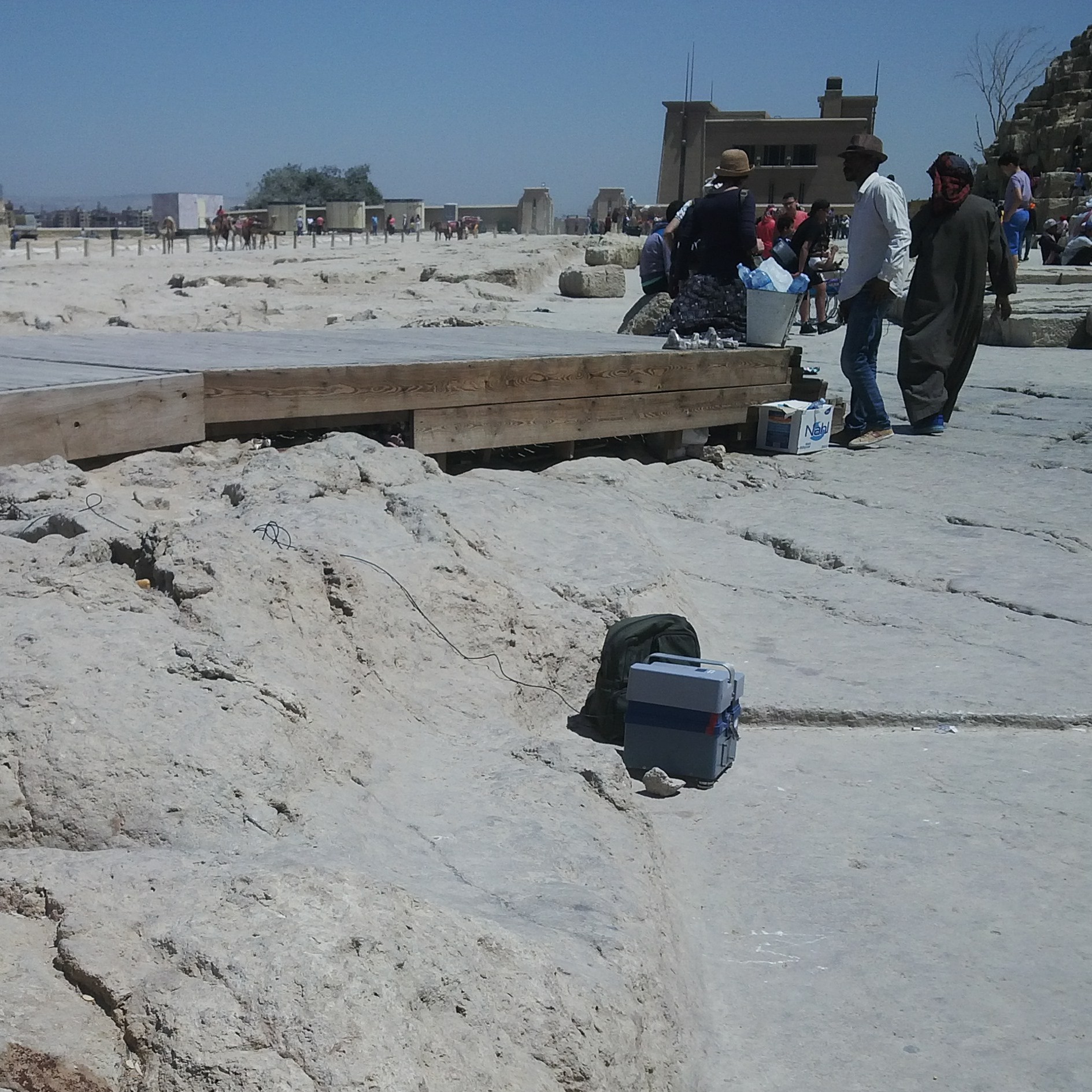
To investigate, researchers used a non-destructive geophysical technique known as the horizontal-to-vertical spectral ratio (HVSR). The method measures tiny natural vibrations in the ground and structures, generated by wind, human activity, traffic or weak seismic movement. By analysing these vibrations, scientists can determine how buildings and the surrounding earth respond to shaking.

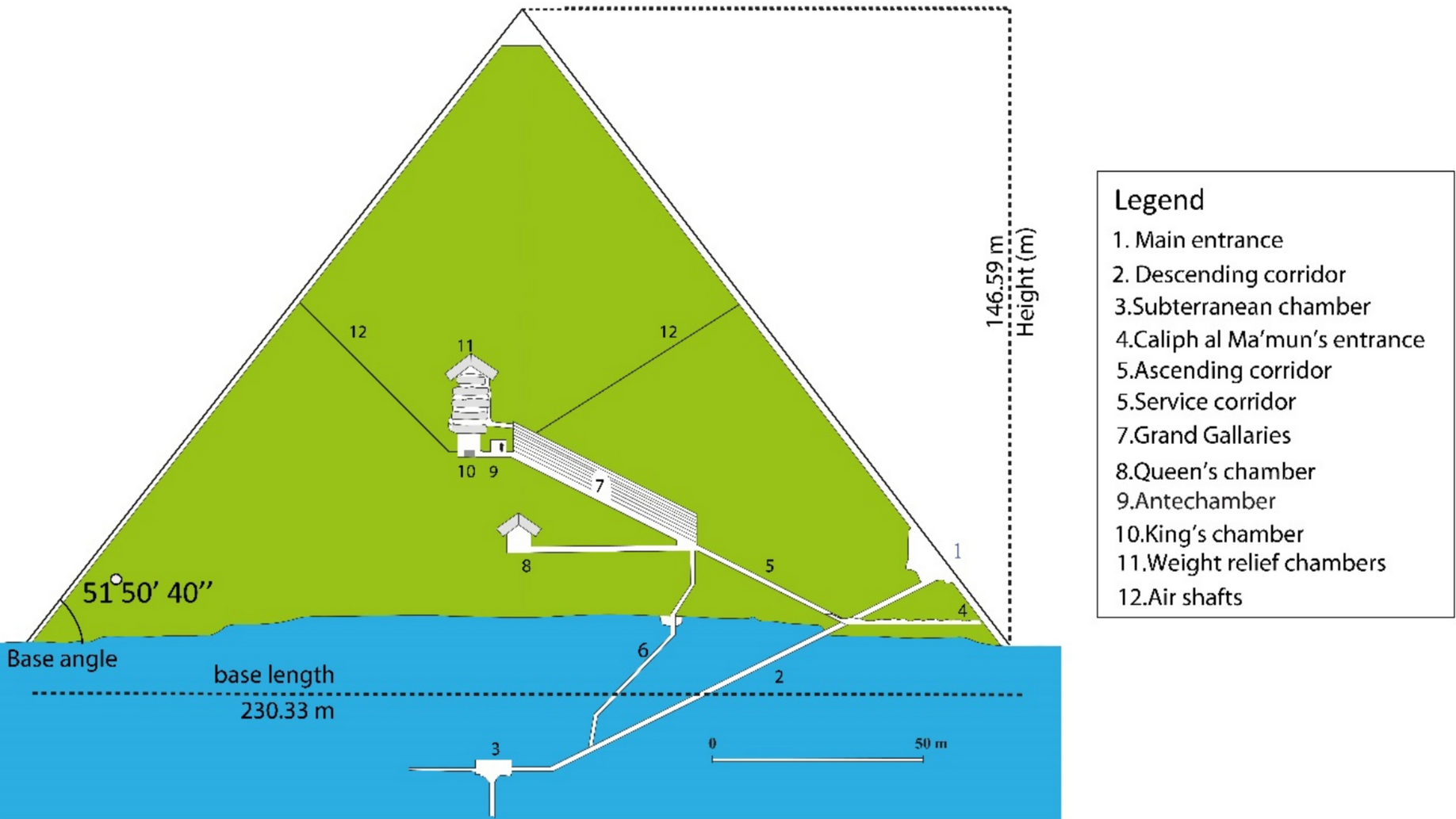
The research team conducted 37 measurements inside and around the pyramid, including readings from the King’s Chamber, the Queen’s Chamber, internal corridors and the upper relieving chambers above the King’s Chamber, as well as from the surrounding soil and bedrock.

The results showed that most sections of the pyramid vibrate at highly similar natural frequencies; mainly between 2 and 2.6 hertz, with an average of around 2.3 hertz. This indicates that the pyramid behaves less like a collection of individual stone blocks and more like a single, cohesive structure when subjected to vibration.
How has Great Pyramid survived earthquakes for 4,600 years?

Assem Salama, associate professor in the seismology department at Egypt’s National Research Institute of Astronomy and Geophysics and co-author of the study, said the team was not surprised by the pyramid’s stability, given that it has already endured for nearly 5,000 years. What stood out, however, was the striking consistency of measurements across different parts of the monument.

That consistency, he explained, reflects a highly balanced dynamic response, an impressive characteristic from an engineering perspective.

The study also identified a crucial distinction between the pyramid and the ground beneath it. While the pyramid’s natural frequency is around 2.3 hertz, the surrounding soil vibrates at a much lower frequency, approximately 0.6 hertz.

This difference is significant because it reduces the likelihood of seismic resonance, a dangerous phenomenon that occurs when the ground and a structure vibrate at similar frequencies during an earthquake. In such cases, internal shaking can intensify dramatically, increasing the risk of severe damage or collapse.

In simpler terms, the pyramid and the ground beneath it do not “shake to the same rhythm”. That mismatch may have helped minimise the impact of earthquakes on the structure over centuries.
How has Great Pyramid survived earthquakes for 4,600 years?

The study notes that the Giza region has experienced several earthquakes over time, including a powerful earthquake near Fayoum in 1847, estimated at magnitude 6.8, and the 1992 earthquake, which measured 5.8. The latter caused some outer stones to fall from the tops of the pyramids but did not trigger structural collapse in the Great Pyramid.

Another critical factor is location. The pyramid was constructed on a solid limestone foundation rather than softer soil. According to the study, this geological setting likely played a major role in preserving the monument’s long-term stability.

Salama said the choice of site may have been among the most important engineering decisions made by the ancient builders. A strong rocky foundation can reduce uneven pressure, limit the amplification of seismic waves and help massive structures remain stable over exceptionally long periods.

The findings do not suggest that the ancient Egyptians possessed modern seismic engineering knowledge. However, they do indicate that the pyramid’s design, materials and location created conditions that enabled it to withstand natural forces with remarkable success.

More than four and a half millennia after its construction, the Great Pyramid continues to provide new insights, not only into ancient Egyptian engineering, but also into how monumental structures can survive in earthquake-prone environments for thousands of years.


 

Categories
Egypt

2S: A Legacy Built on Family, Comfort, and Decades of Everyday Moments

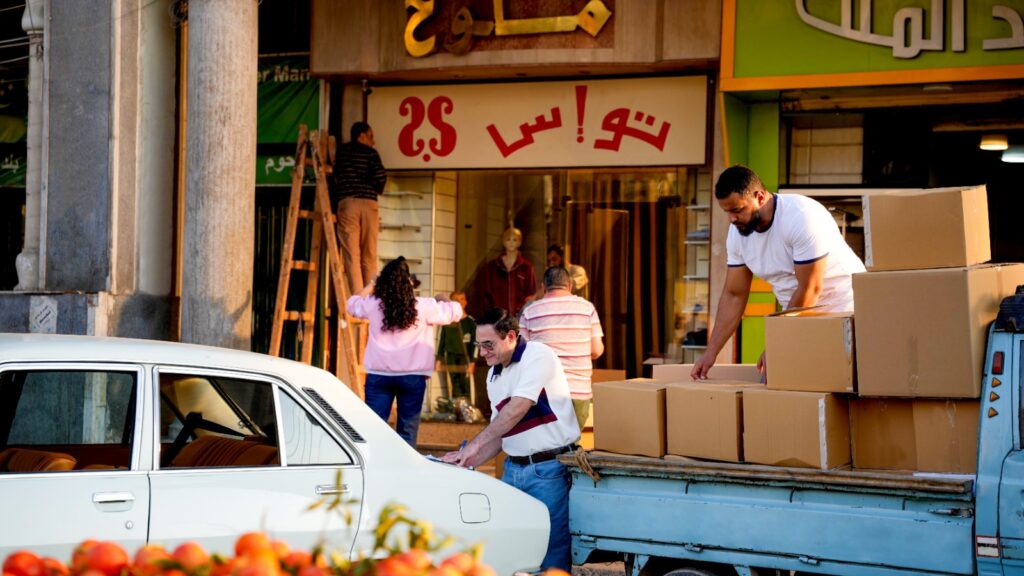
For decades, 2S has vibrantly lived inside Egyptian households. In jam-packed suitcases before long-awaited summer trips, to matching Eid pajamas, to late-night movie marathons and in the small everyday routines that slowly turned into nostalgic memories families carried for years.

With Eid El Adha approaching, 2S naturally returns to the heart of the season in Egyptian homes, where it has long been part of the rituals, gatherings, and quiet details that make the holiday feel complete, blending into the atmosphere of Eid in a way that feels warmly familiar. They’re a name people have known and identified with for decades, yet the full story behind their success was never fully told. Until now!

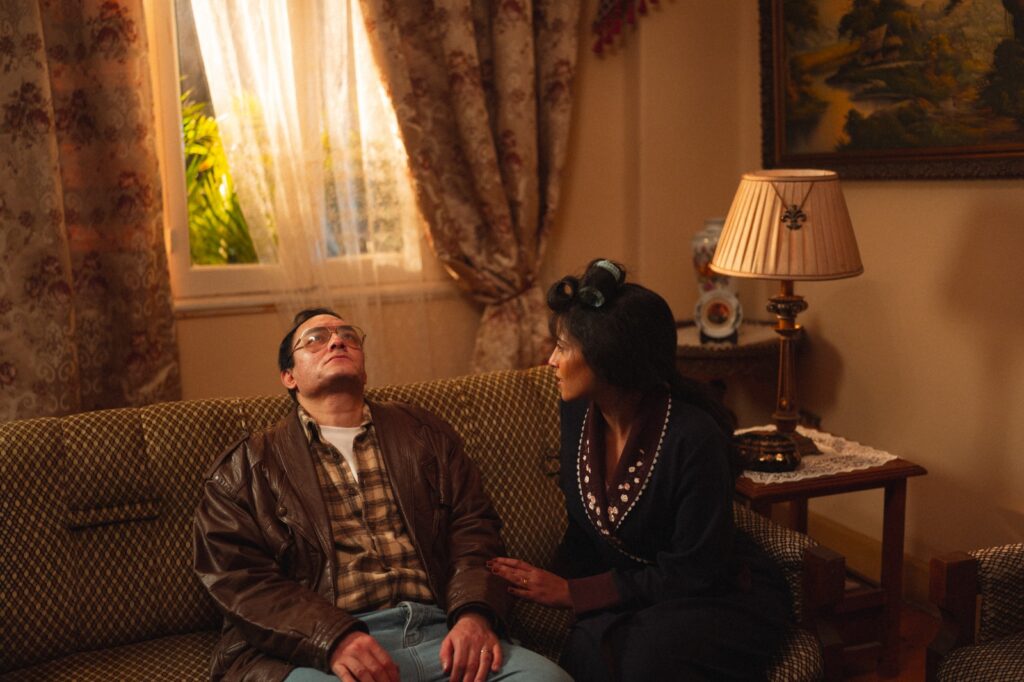
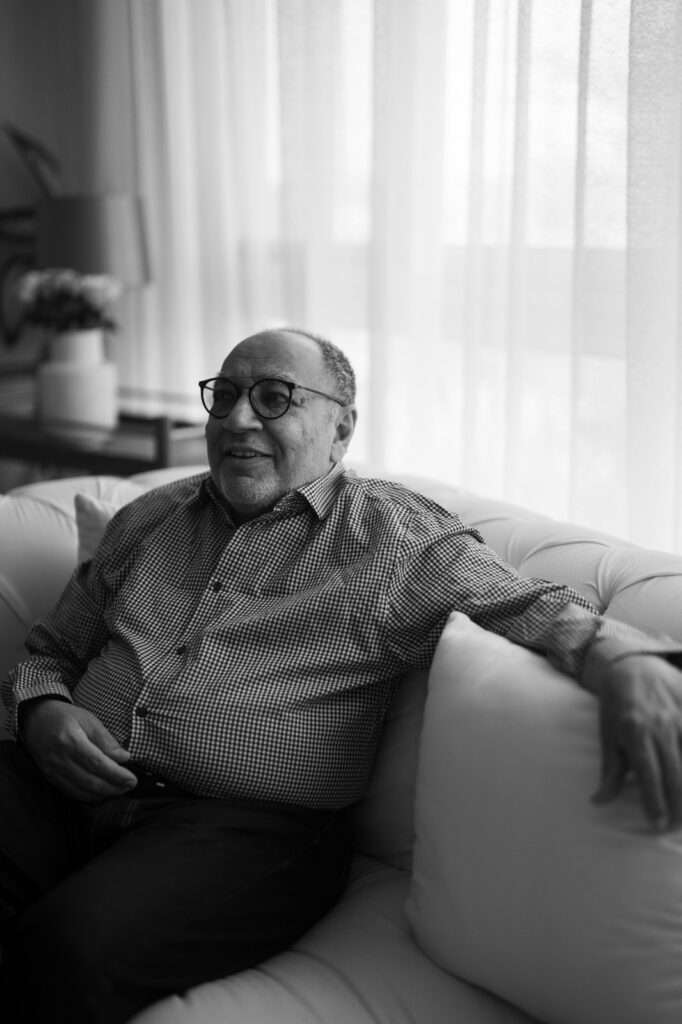
In 1985, Somaya and Shehata began a simple dream rooted in home, family, and the idea of everyday comfort, giving birth to the name “2S,” inspired by the initials of the couple whose shared journey became the foundation of everything that followed. What started as a small local effort with a few branches slowly grew into something much bigger, becoming part of daily life in Egyptian households and carrying the same warmth and familiarity that shaped its beginning. Over nearly four decades, it expanded across generations while staying closely tied to comfort, closeness, and togetherness.

But the story is about more than simply revealing a name. It’s about the idea that some brands become part of people’s lives because they were built on something close to people’s hearts from the beginning. In the case of 2S, family was never a marketing concept or a theme added later on. It was always there, woven into the story itself.

Today, that story continues through a new generation leading the brand forward while holding onto the feeling people associate with them most: home. 

The second generation has carried the same spirit into a more modern era, giving 2S a fresh identity while preserving the familiarity that made people trust them in the first place. There’s still a strong sense of heritage surrounding the brand, but now it lives alongside a more refined, contemporary vision that feels in tune with today’s audience.

Celebrating their 41 year long legacy, 2S brought the campaign to life through different experiences centered around the story behind the brand and the feeling of familiarity people associate with it. The campaign also extended beyond the advertisement, with 2S sending out PR packages to influencers. Audiences were invited as well to take part in playful games asking them why they thought the brand was called “2S” before finally revealing the story behind the name. For the first time, the brand also launched its full story on the website, including the timeline of 2S, the founding family, their biographies, and how the journey first began.

To further pay tribute to its beginnings, 2S will also be releasing special shopping bags featuring the very first logo originally hand-drawn by the founder when the brand first started. The design will appear across stores and packaging  as a homage to the story and identity that shaped the brand from day one.

At the same time, 2S is stepping into a new chapter, set to launch their first-ever licensed collection in Summer 2026. With characters from Paramount, Warner Bros., and Hello Kitty coming into the world of 2S, it opens a new playful direction while still holding onto the same comfort the brand has always been known for.

From a small beginning in 1985 to a name now found in homes across generations, 2S grew through simple everyday moments shaped by comfort, consistency, and trust. At its core, it all goes back to Somaya and Shehata, whose shared start became the foundation of a story that kept growing, one home at a time.

Categories
Egypt

Giancarlo Esposito Wowed by Pyramids During Grand Egyptian Museum Visit

Giancarlo Esposito, an American actor and director best known for his roles in Breaking Bad and Better Call Saul, shared moments from his visit to the Grand Egyptian Museum this week, posting a video of himself seeing the Pyramids of Giza for the first time.

“History feels different when you’re standing in its presence,” Esposito wrote in an Instagram post. “Eternally grateful for this beautiful experience in Egypt at the Grand Egyptian Museum.”

The actor also described “remaining in wonder” as “a magical way to live” while sharing clips from inside the museum and around the Giza Plateau.

Located near the Pyramids of Giza, the Grand Egyptian Museum is one of Egypt’s largest cultural projects and is the world’s biggest archaeological museum dedicated to a single civilisation. The museum houses thousands of ancient Egyptian artifacts, including objects linked to King Tutankhamun’s collection.

In recent months, the Grand Egyptian Museum has continued to draw international attention following its opening, with several high-profile figures visiting the site, including Will Smith, and Tom Hanks during trips to Egypt.

Shop Egyptian Streets Store