Categories
Japan

5 Glamping Spots Near Osaka: Enjoy Ocean Views, BBQ & Hot Springs – Just 1 Hour from the City! (Perfect for Couples & Families)

HOME
Kansai
Osaka
Osaka Suburbs
5 Glamping Spots Near Osaka: Enjoy Ocean Views, BBQ & Hot Springs – Just 1 Hour from the City! (Perfect for Couples & Families)

5 Glamping Spots Near Osaka: Enjoy Ocean Views, BBQ & Hot Springs - Just 1 Hour from the City! (Perfect for Couples & Families)
  • Written by: Guest Contributor

Date published: 27 May 2026

Glamping is totally taking over the travel world right now, and for good reason! It’s the absolute best way to soak up the great outdoors without the hassle of pitching a tent or hauling heavy gear. Think of it as “camping made easy.” While traditional camping means DIY-ing your shelter and meals, glamping hooks you up with fully equipped setups. You literally just need to pack an overnight bag!

Whether you’re heading out with the family, your partner, or your besties, it’s a total game-changer. Imagine relaxing by the ocean, deep in the mountains, or by a peaceful lake, gazing up at the stars and falling asleep to the sounds of nature.

Plus, these campsites are totally Instagram-worthy, featuring things like transparent dome tents, boho-chic decor, and fairy lights.

Ready for an adventure? LIVE JAPAN has rounded up the absolute best glamping spots just about an hour outside of Osaka. If you’re tired of standard hotel stays and want to chill out empty-handed in nature, you’re going to love this!

*Cover Image Source: Booking Resort Co., Ltd.
*This article contains affiliate content.

1. Urban Camp Hotel Marble Beach
(Image: Rakuten Travel)
(Image: Rakuten Travel)

(Image: Rakuten Travel)

(Image: Rakuten Travel)

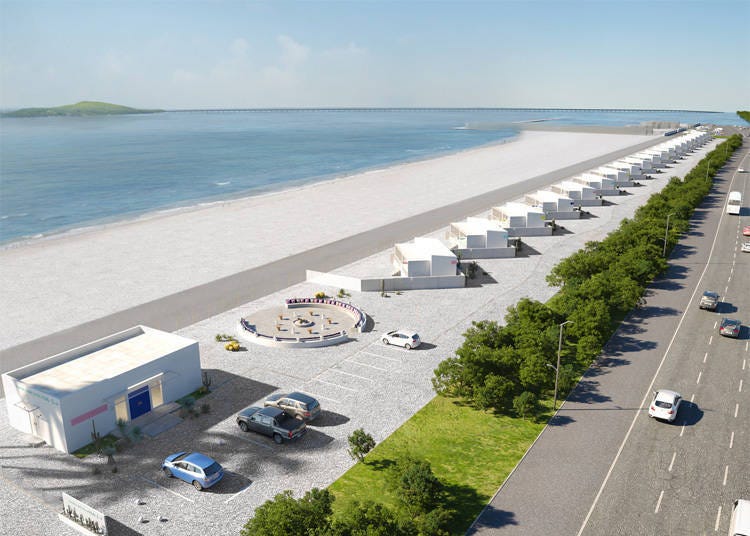
Located inside Sennan Long Park in Osaka, the Urban Camp Hotel Marble Beach is a massive hit for glampers. It perfectly blends a beach resort atmosphere with the fun of camping and the comfort of a luxury hotel. You can enjoy a delicious BBQ, ocean views, and outdoor living without lifting a finger!

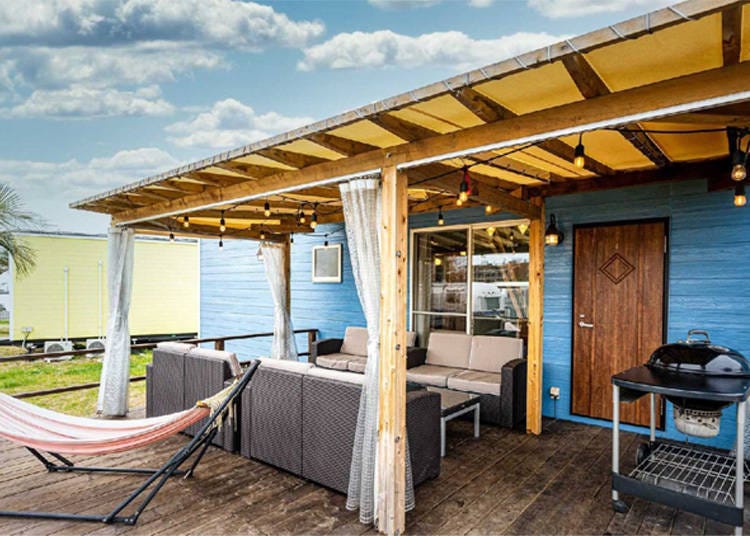
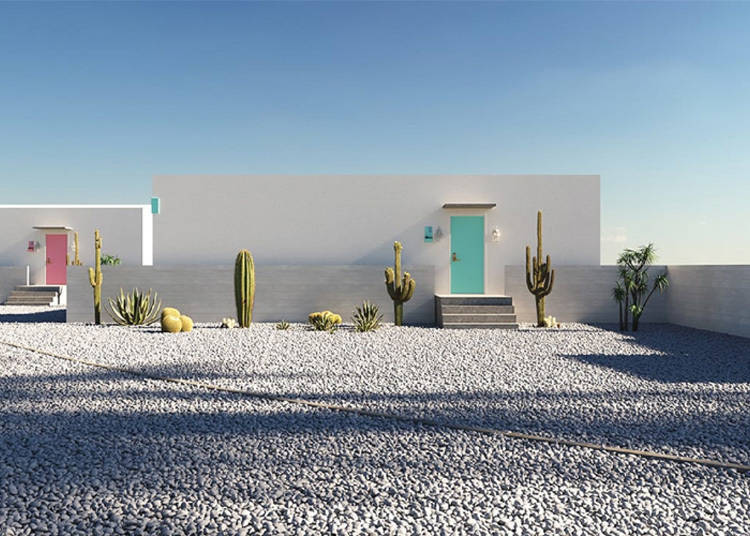
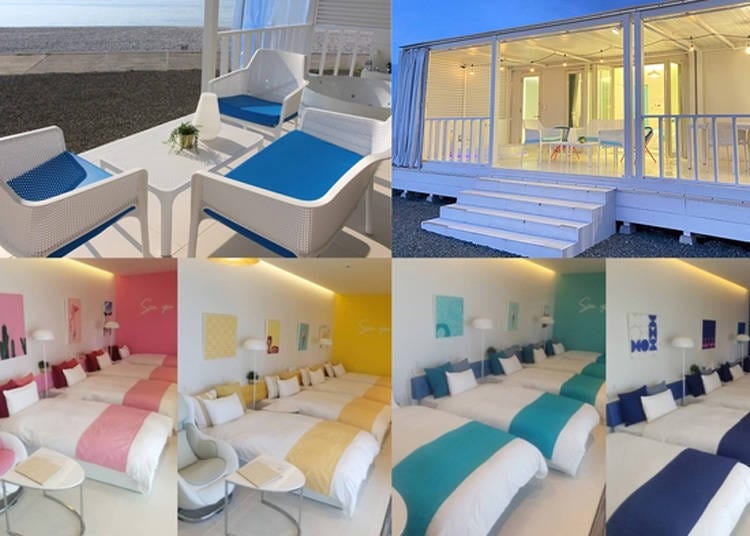
The main highlight is the collection of gorgeous standalone glamping villas facing the ocean, complete with incredible views and private patios. They come in fun theme colors like pink, yellow, light blue, and ocean blue, and can accommodate up to 4–5 guests.

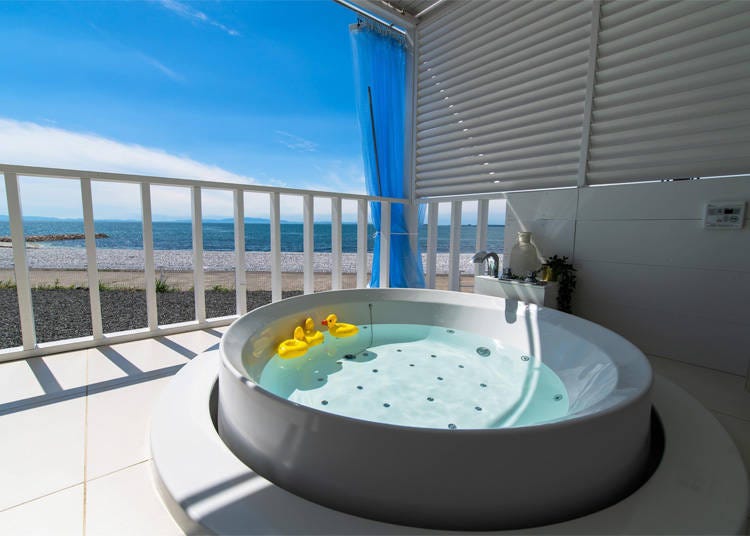
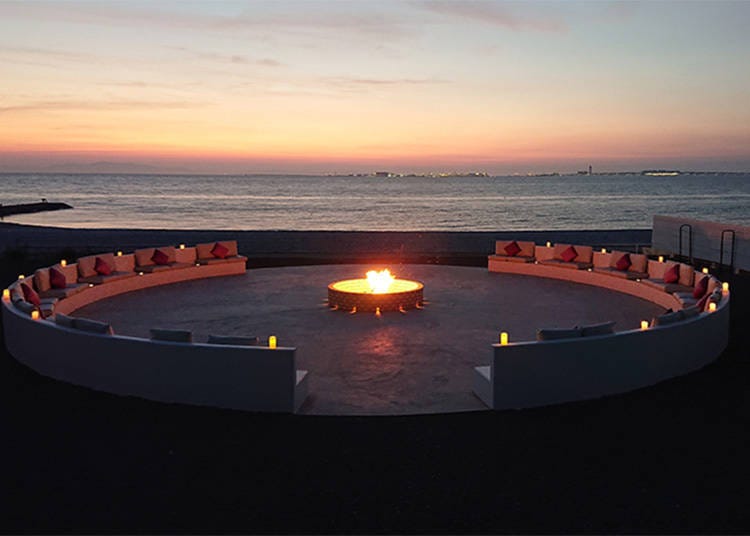
Every villa includes its own private BBQ area, outdoor living room, and Jacuzzi. At night, you can relax around the campfire, feel the ocean breeze, and watch the sunset for the ultimate vacation atmosphere.

Even though it’s technically “camping,” the indoor amenities are impressively comfortable. Rooms come equipped with air conditioning, private bathrooms, microwaves, refrigerators, air purifiers, and cozy beds. Some rooms even include Bluetooth speakers.

Their concept is essentially “no tents to pitch, no fires to build,” making it an ideal choice for first-time campers or anyone who wants to enjoy nature without the usual camping hassle.
(Image: Rakuten Travel)

(Image: Rakuten Travel)
(Image: Rakuten Travel)
(Image: Rakuten Travel)

(Image: Rakuten Travel)

(Image: Rakuten Travel)

(Image: Rakuten Travel)

(Image: Rakuten Travel)

On top of that, the hotel offers convenient extras like BBQ ingredient packages, alcoholic drinks, and even draft beer dispensers. Of course, guests are also welcome to bring their own food and beverages.

Some rooms are pet-friendly and include grassy outdoor spaces where furry companions can play and relax.

Because the hotel is located inside a large seaside park, guests also have easy access to sports facilities, walking trails, and nearby hot springs. Whether you’re planning a romantic getaway, a group trip with friends, or a family vacation, it’s an excellent place to unwind by the ocean.

  • Urban Camp Hotel Marble Beach

    URBAN CAMP HOTEL Marble Beach

    • Address
      4-201 Rinku Minamihama, Sennan-shi, Osaka

      View Map
    • Original source: Rakuten Travel

    Vacancy search, reservation

    Check with our partner site as the latest rates, rate details, and guest room requirements may vary.

2. Gran Camping Palm Garden Maishima

(Image: Rakuten Travel)
(Image: Rakuten Travel)

(Image: Rakuten Travel)

(Image: Rakuten Travel)

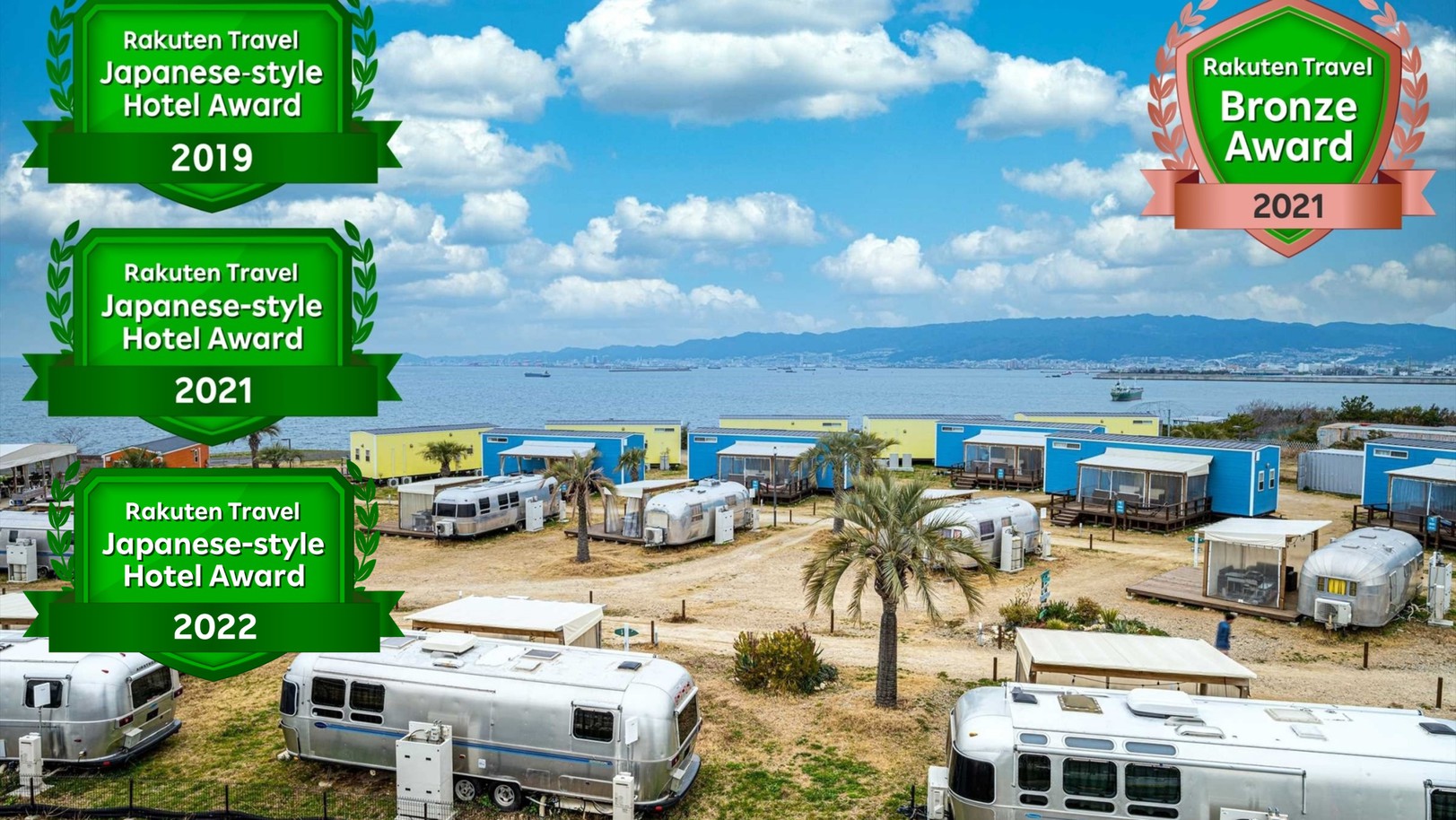
Right along the shores of Osaka Bay, Gran Camping Palm Garden Maishima is a hugely popular glamping destination that lets you enjoy a seaside resort atmosphere without leaving the city. One of its biggest appeals is the chance to experience an “overseas island getaway” feeling surprisingly close to central Osaka.

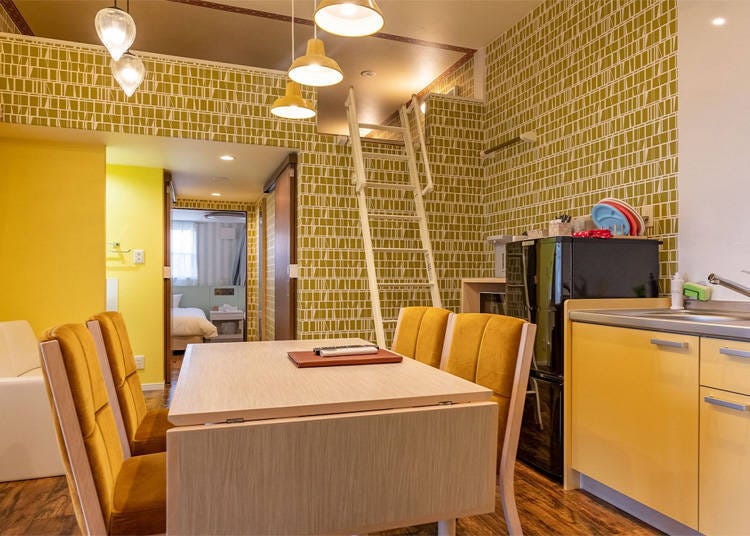
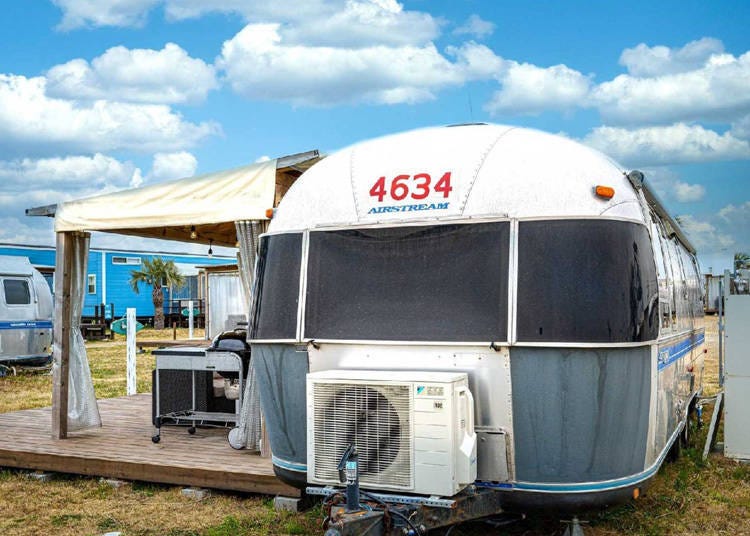
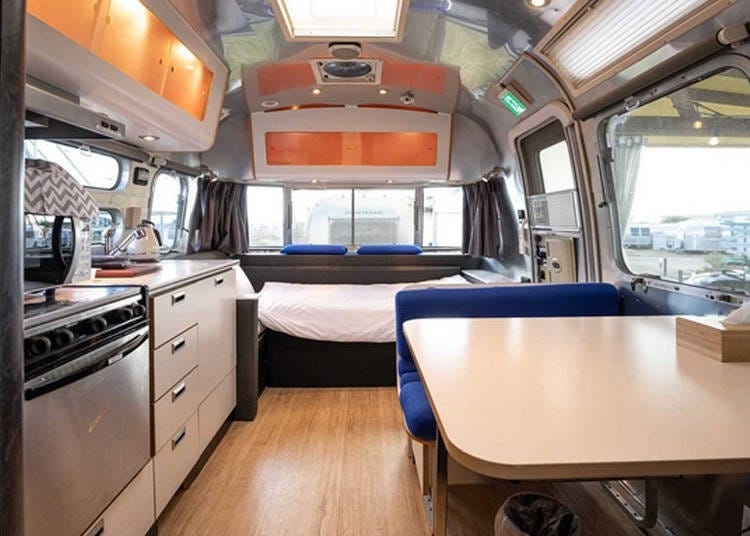
The property features retro American-style Airstream trailers, ocean-view cabins, and unique tent accommodations, giving guests several fun ways to enjoy their stay. With its laid-back coastal atmosphere and distinctive lodging options, it’s a great choice for couples, groups of friends, and families alike.
(Image: Rakuten Travel)
(Image: Rakuten Travel)

(Image: Rakuten Travel)

(Image: Rakuten Travel)

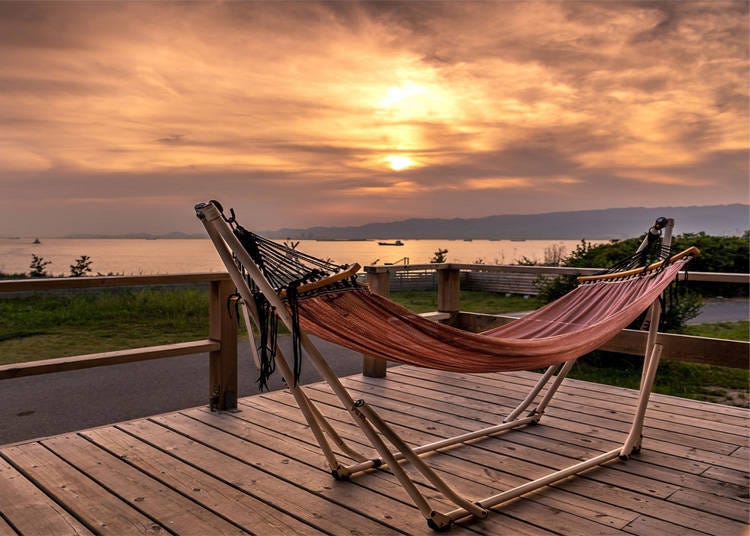
The absolute crowd-pleaser here is the sunset ocean-view BBQ. Enjoying a barbecue while catching the sea breeze feels incredibly relaxing. Zero camping experience? No problem! With top-tier equipment, food provided, and plush beds, this is the true definition of “empty-handed camping.” Some rooms even offer direct views of the Osaka Bay sunset and night skyline. On a clear day, watching the ocean turn a fiery orange is pure magic.

(Image: Rakuten Travel)

(Image: Rakuten Travel)

When night falls, the park lights up and transforms into a tropical paradise—perfect for your Insta feed! During the day, you can take a leisurely stroll and enjoy the coastal breeze. The park also has public lounge areas and outdoor seating. Whether you want to zone out, grab a drink, or just hang with friends, you’re bound to make some unforgettable memories here. It’s super easy to get to from downtown Osaka or Universal Studios Japan (USJ), making it a top-tier choice for convenience, beauty, and atmosphere.
(Image: Rakuten Travel)

(Image: Rakuten Travel)

Bonus: Since it’s right next to the Maishima seaside and a massive park area, you’ve got plenty of space to roam. A lot of travelers love spending the day riding rollercoasters at USJ and then coming back here to unwind and escape the city hustle. Compared to a regular hotel, you really get to immerse yourself in nature here!

  • Gran Camping Palm Garden Maishima

    GRCAMPING パームガーデン舞洲

    • Address
      2-3-57 Hokuko Ryokuchi, Konohana-ku, Osaka-shi, Osaka

      View Map
    • Original source: Rakuten Travel

    Vacancy search, reservation

    Check with our partner site as the latest rates, rate details, and guest room requirements may vary.

3. GLAMP DOME Kobe Tenku

(Image: Booking Resort Co., Ltd.)
(Image: Booking Resort Co., Ltd.)

(Image: Booking Resort Co., Ltd.)

(Image: Booking Resort Co., Ltd.)

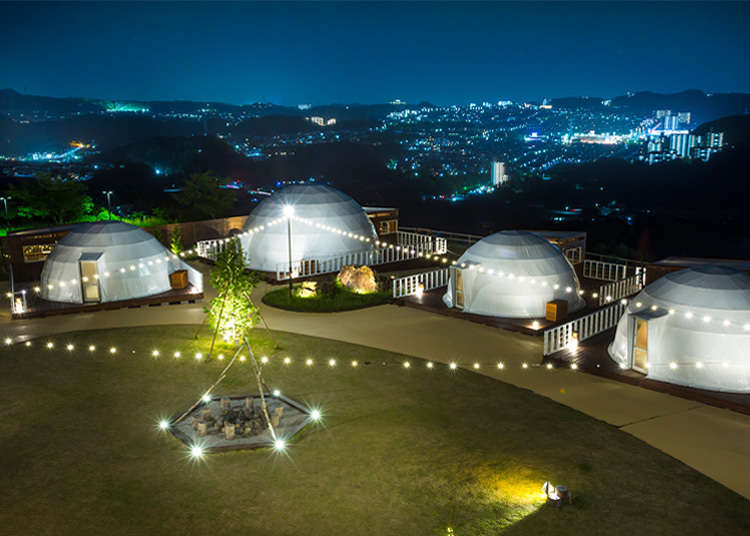
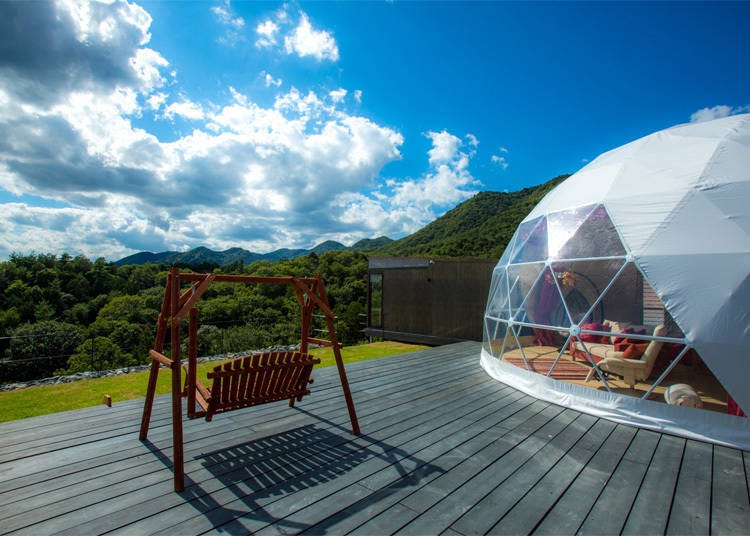
Tucked away in the northern part of Kobe, GLAMP DOME Kobe Tenku is a popular resort that combines luxury camping, natural hot springs, and stunning nighttime views. It’s located just about 20 minutes by car from Kobe Sannomiya and roughly 50 minutes from central Osaka, making it easy to access while still feeling far removed from the city.

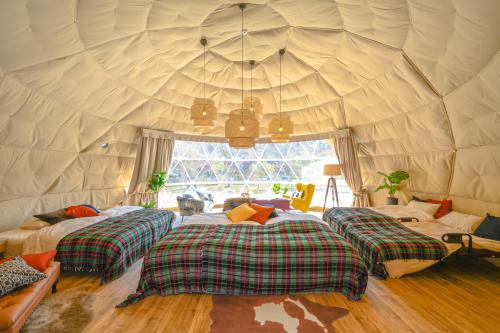
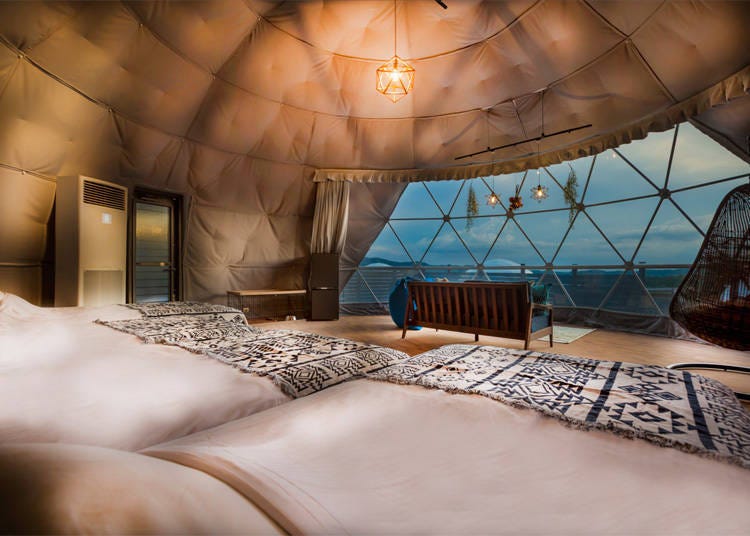
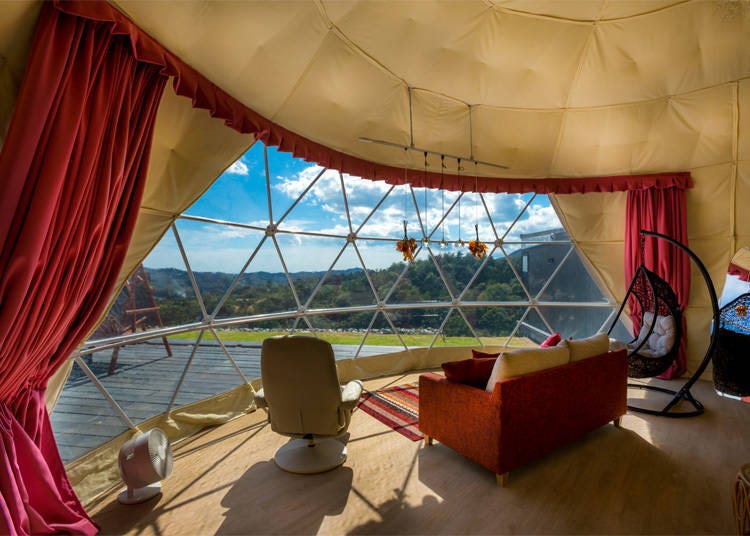
One of the resort’s biggest highlights is its spacious all-weather dome tents. Fully equipped with air conditioning and heating, they provide a comfortable stay year-round, even during rainy weather or winter.

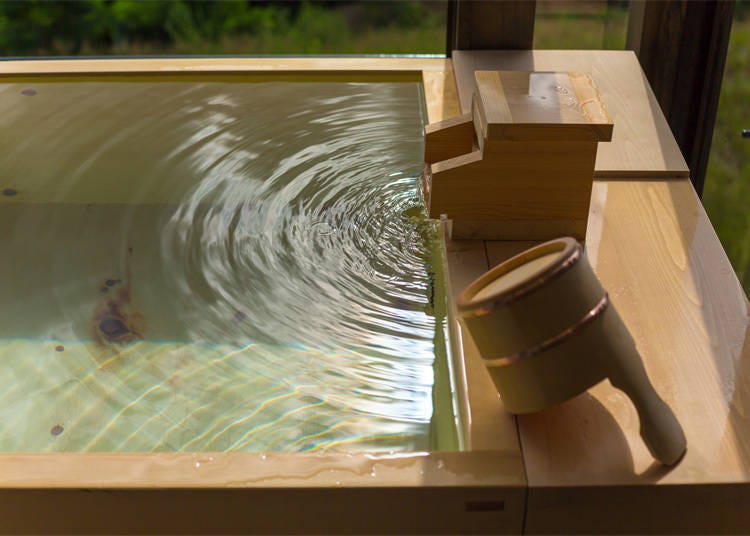
There’s a wide variety of room types to suit different travel styles. The “Private View Terrace” is ideal for couples and families, while the large 10-meter “Premier Lounge” and “Deluxe View Terrace” are well suited for bigger groups. For a more luxurious experience, the “Spa Suite” series includes features like a natural cypress bath and private barrel sauna.

Some accommodations also come with private gardens, projectors, and pet-friendly facilities, adding even more flexibility for guests looking for a unique glamping getaway.
(Image: Booking Resort Co., Ltd.)
(Image: Booking Resort Co., Ltd.)
(Image: Booking Resort Co., Ltd.)
(Image: Booking Resort Co., Ltd.)

(Image: Booking Resort Co., Ltd.)

(Image: Booking Resort Co., Ltd.)

(Image: Booking Resort Co., Ltd.)

(Image: Booking Resort Co., Ltd.)

Beyond the impressive accommodations, the facility is also home to the “Ginga no Yu” (Galaxy Bath) natural hot spring, where guests can relax while taking in views of Kobe’s sparkling night skyline and the stars above.

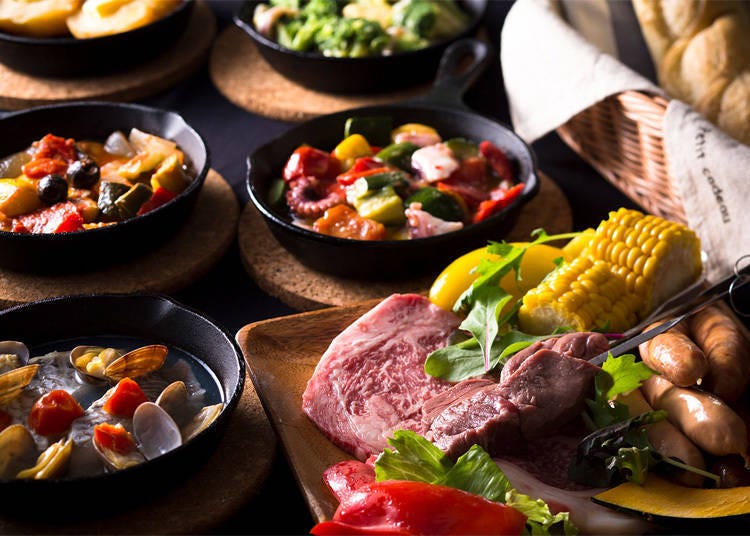
Dining is another major highlight, with premium Kobe-style BBQ meals featuring Japanese Black beef, Kobe pork, and fresh local vegetables. Guests who prefer a more casual experience are also welcome to bring their own ingredients and food.

The resort additionally offers campfires, a footbath bar, tennis courts, and a dog run, making it easy to spend an entire stay relaxing and enjoying the outdoors.

Whether you’re planning a romantic getaway, a family vacation, or a trip with friends, GLAMP DOME Kobe Tenku offers an ideal mix of nature, comfort, and upscale camping in the Kansai area.

  • GLAMP DOME Kobe Tenku

    グランドーム神戸天空

    • Address
      1-1 Harano, Yamada-cho, Kita-ku, Kobe City, Hyogo Prefecture
      View Map

4. Kaizuka Ibuki Village

(Image: Rakuten Travel)

(Image: Rakuten Travel)

Located in Kaizuka City, Osaka, Kaizuka Ibuki Village (Farm Glamping Le Clos Kaizuka Ibuki Village) is an upscale glamping resort that combines a natural farm setting, French-inspired dining, and outdoor experiences. Its concept centers around enjoying gourmet food and a slower pace of life surrounded by nature.

Just about an hour by car from central Osaka, it makes an easy and refreshing weekend getaway for couples, families, and groups of friends.

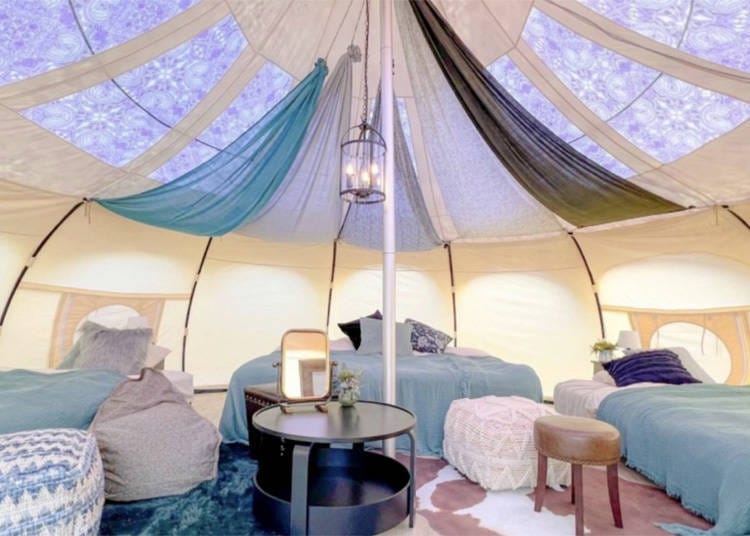
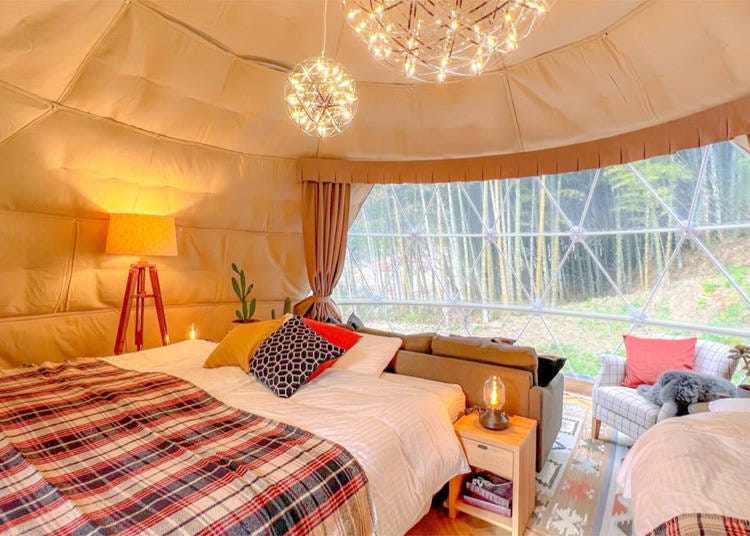
Spanning roughly 5,200 square meters, the property features 17 luxury tents, including distinctive onion-shaped Lotus Belle tents and dome tents equipped with Jacuzzis and saunas. The resort also offers pet-friendly accommodations and wheelchair-accessible spaces, making it welcoming for a wide range of travelers.

All tents come well equipped with amenities such as air conditioning, air purifiers, refrigerators, and full toiletries, allowing guests to comfortably enjoy the outdoors without sacrificing convenience.

Beyond the accommodations themselves, the village includes a working farm, fresh produce shop, fruit-picking activities, a cafe, and BBQ facilities. Guests can even harvest seasonal vegetables and experience a more rural side of Osaka during their stay.
(Image: Rakuten Travel)
(Image: Rakuten Travel)
(Image: Rakuten Travel)
(Image: Rakuten Travel)

(Image: Rakuten Travel)

(Image: Rakuten Travel)

(Image: Rakuten Travel)

(Image: Rakuten Travel)

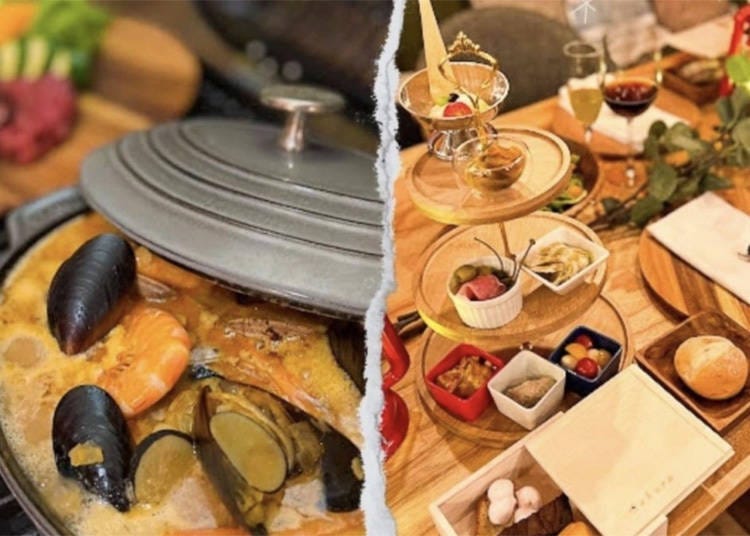
The biggest highlight of the resort, however, is its dining experience. The menu is supervised by Isao Kuroiwa, a chef trained at a Michelin-starred French restaurant, and blends French cuisine with the casual enjoyment of BBQ.

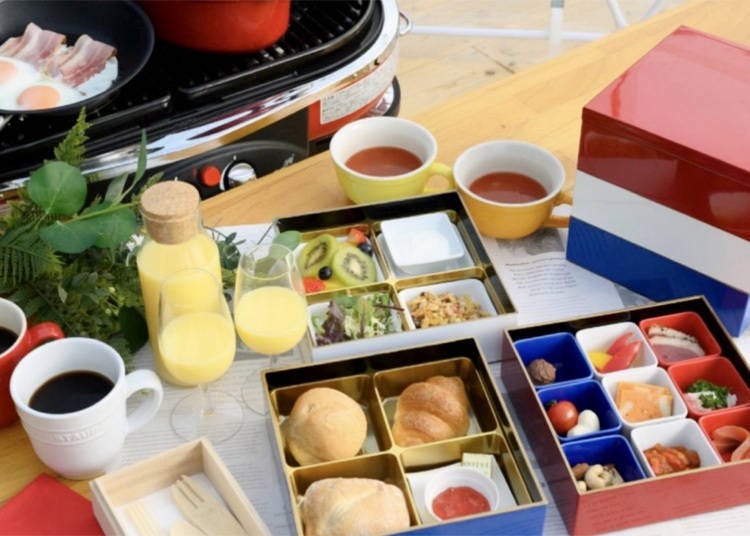
Dinner features an elegant French-style BBQ course with seafood, smoked salads, quiche, low-temperature aged chicken, steak, and carefully prepared desserts. Breakfast is served in a beautifully arranged wooden box filled with a French-inspired morning meal and fresh local vegetables.

Combined with comfortable beds and the peaceful natural surroundings, the resort offers a relaxing getaway for travelers who want to experience nature without sacrificing the comforts of a luxury hotel stay.

  • ファームグランピング ル・クロ かいづか いぶきヴィレッジ

    ファームグランピング ル・クロ かいづか いぶきヴィレッジ

    • Address
      馬場3081, Kaizuka, Osaka

      View Map
    • Original source: Booking.com

    Vacancy search, reservation

    Check with our partner site as the latest rates, rate details, and guest room requirements may vary.

5. Kyoto Rurikei Onsen GRAX

(Image: Rakuten Travel)

(Image: Rakuten Travel)

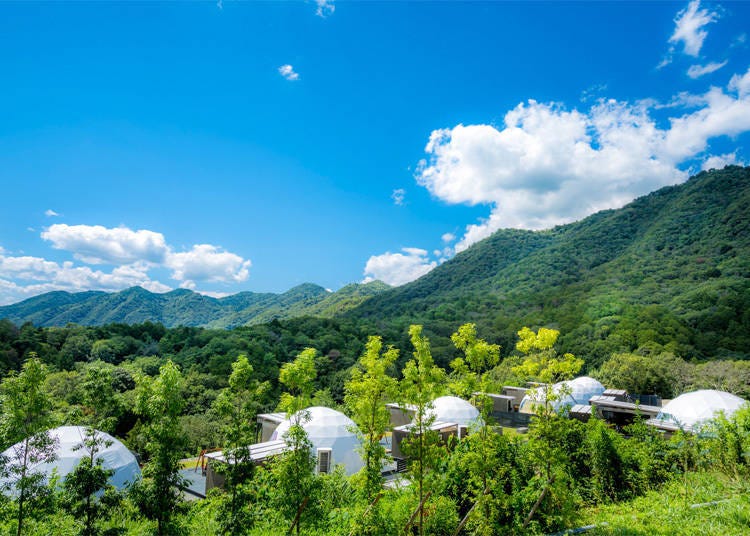
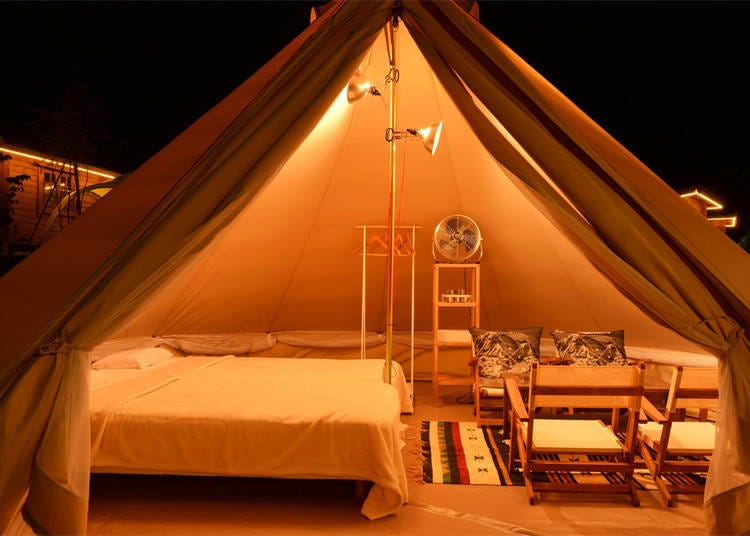
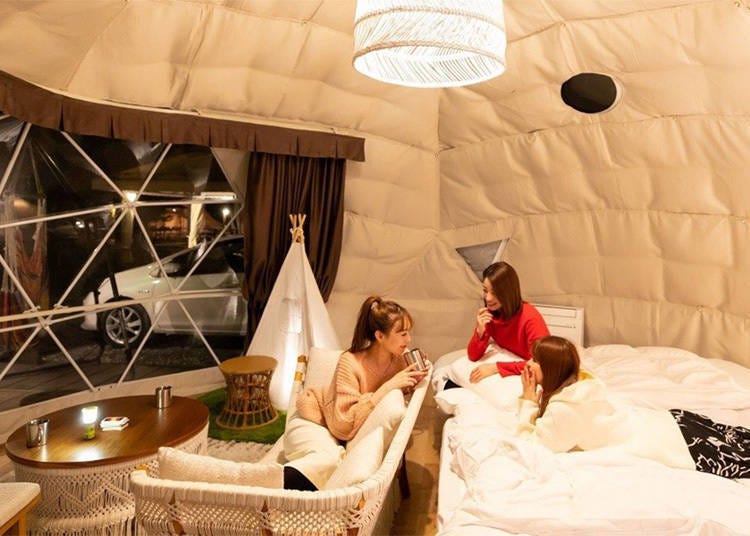
Up in the Rurikei Highlands of Nantan City, Kyoto, you’ll find GRAX—one of Kansai’s most popular glamping resorts. The biggest draw here is that you can dive straight into nature without bringing a single piece of gear, all while enjoying hotel-level comfort. They offer a ton of accommodation styles, from luxury tents and domes to cozy cabins. Every single one comes with beds, AC/heating, and an outdoor lounge space, so first-timers can relax and just enjoy the ride.
(Image: Rakuten Travel)

(Image: Rakuten Travel)

Food-wise, prepare for a top-tier BBQ featuring seasonal ingredients! The resort provides all the food and equipment, so all you have to do is grill, eat, and have fun. With local Kyoto veggies and a massive spread, it feels less like an outdoor activity and more like a gourmet culinary retreat. At night, gather ’round the campfire, swap stories, and soak in the laid-back vibes.

(Image: Rakuten Travel)

(Image: Rakuten Travel)

What really puts GRAX on the map is the fact that you get to mix glamping with natural hot springs! Guests get access to the nearby Rurikei Onsen facilities, including open-air baths and saunas, letting you completely unwind in the mountains. Surrounded by stunning nature, you can stargaze or check out the illuminated art installations at night. It’s an absolute dream for couples, families, and friends looking for a magical getaway.

  • Grax (Asobiyuku Kyoto Rurikei Onsen)

    GRAX(ASOBIYUKU 京都るり渓温泉)

    • Address
      1-20 Sonobecho Okawachi, Nantan-shi, Kyoto

      View Map
    • Original source: Rakuten Travel

    Vacancy search, reservation

    Check with our partner site as the latest rates, rate details, and guest room requirements may vary.

Frequently Asked Questions (FAQs)

Q1: I have literally zero camping experience. Can I really just show up empty-handed?

Yes, absolutely! The whole point of glamping (glamorous camping) is to let anyone enjoy the great outdoors without the hassle. Traditional camping means bringing your own tent, sleeping bags, and cooking gear. But with glamping, the tent is already set up for you, complete with beds, AC/heating, tables, chairs, and toiletries. Some spots even offer hotel-grade amenities and gourmet meals!

Q2: Do the glamping tents have their own private bathrooms and showers?

It depends on the facility and the room type. Nowadays, a lot of glamping spots feature private bathrooms right inside or next to your tent, giving you maximum privacy and comfort. However, some of the more “nature-focused” spots might use shared public bathrooms. We definitely recommend checking the room details before booking—especially if you’re traveling with kids, elderly family members, or just really value your bathroom time!

Q3: Will my trip get canceled if it rains?

Usually, a little rain won’t stop the fun! Most glamping tents are fully waterproof and come with rain awnings or access to indoor public spaces, so you can still hang out and eat comfortably. But, if there’s a typhoon, severe rainstorm warning, or safety concerns, the facility will usually contact you to postpone or cancel, and they’ll handle refunds or rescheduling according to their policy. Always keep an eye on the weather forecast and facility announcements before you head out!

Q4: Are there a ton of bugs in the summer? Will I freeze in the winter?

Since glamping sites are usually in the mountains, by lakes, or deep in nature, you’ll definitely see some bugs in the summer. But don’t worry—most places provide bug spray, electric mosquito coils, or screen doors. It’s still a good idea to bring your own bug repellent and maybe avoid wearing shorts and tank tops right at dusk. As for winter, it can get chilly depending on the altitude. Thankfully, modern glamping tents are decked out with heaters, electric blankets, or AC. Just pack some warm layers, and you’ll be super cozy!

Q5: Are there any supermarkets or convenience stores nearby?

Most glamping spots try to get you close to nature, which means they aren’t always right next to the city. Sometimes there’s a convenience store a 10–20 minute drive away, but sometimes they are pretty remote! We highly recommend checking the surrounding area before you arrive and stocking up on snacks, drinks, meds, or personal items ahead of time.

Q6: Is there a curfew or “lights out” rule at night?

To keep the peace and protect the natural environment, many glamping sites have “quiet hours.” Usually, around 10:00 PM, you’ll be asked to lower your voices and avoid loud partying. Some places also dim the lights so everyone can enjoy the starry sky and not disturb the local wildlife.

Q7: Is it easy to get there by public transport if I’m not driving?

It really depends on the spot! Some popular sites are close to train stations and even offer shuttle buses—just hop on a bullet train or local line, transfer, and you’re there. But a lot of facilities are tucked away in the mountains, making driving the easiest option. If you don’t have a car, look for spots that specifically offer shuttle services or have clear public transit guides. And don’t forget to check the time of the last train so you aren’t rushing!

Q8: Is glamping suitable for young kids or the elderly?
(Image: Rakuten Travel)

(Image: Rakuten Travel)

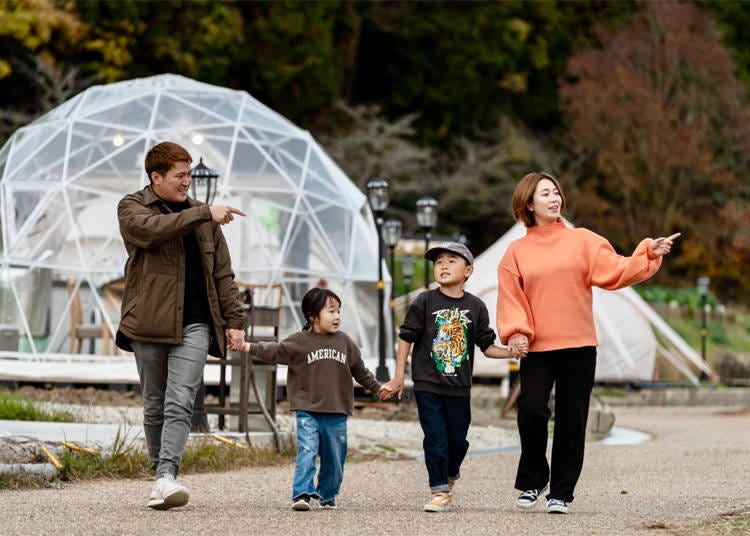
Glamping is way more comfortable and safe than traditional camping, making it totally doable for families with kids and seniors! Many campsites feature flat walkways, playgrounds, AC/heating, and proper bathrooms. Some even provide baby cribs, bathtubs, or wheelchair-accessible facilities. However, you should still check the terrain and amenities beforehand to make sure there aren’t too many steep hills or long walks required. A little planning goes a long way to ensure everyone has a blast!
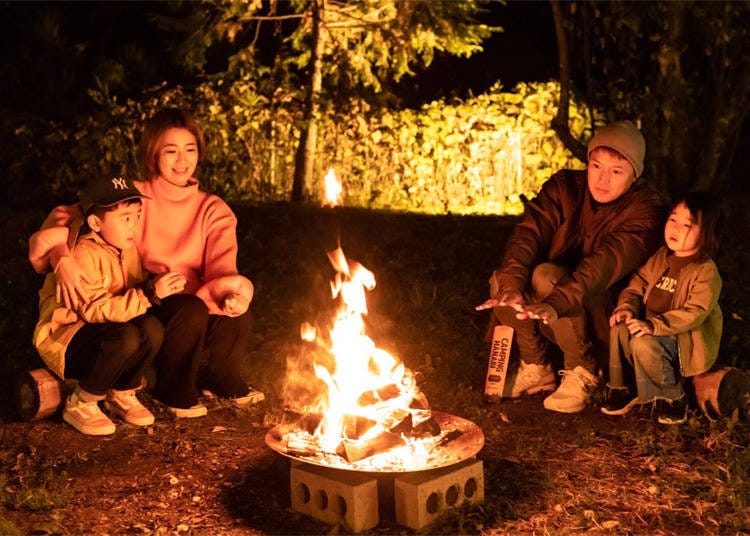
Compared to a standard hotel stay, glamping offers much more than simply a place to sleep. It’s an experience that combines nature, relaxation, and stylish outdoor living in a way traditional hotels often cannot.

While hotels provide comfort indoors, glamping allows guests to fully immerse themselves in natural surroundings like mountains, beaches, forests, and star-filled skies, all while still enjoying modern conveniences. Days can be spent enjoying outdoor activities, while evenings are perfect for relaxing outside the tent, stargazing, and enjoying the peaceful atmosphere.

One of glamping’s biggest appeals is that it creates a much stronger connection with nature without requiring the effort usually associated with camping. Many modern glamping facilities are equipped with air conditioning, private bathrooms, comfortable beds, gourmet dining, and even concierge-style services, making them accessible even for complete beginners.

For couples, families, and groups of friends, glamping also becomes a shared experience rather than simply a place to return to at night. Cooking together, sitting around a campfire, and spending time outdoors often become some of the most memorable parts of the trip itself.

If you’re looking for a getaway that offers comfort, scenery, and a slower, more relaxing atmosphere, glamping can be a wonderful alternative to a standard hotel stay.

*This information is from the time of this article’s publication.
*Prices and options mentioned are subject to change.
*Unless stated otherwise, all prices include tax.

Categories
Japan

Rare komusubi title win bodes well for Wakatakakage’s future

Wakatakakage’s victory in the just-completed Summer Grand Sumo Tournament gave Japan’s national sport something it rarely sees — a komusubi as champion.

Of the five named ranks in the top division (yokozuna, ōzeki, sekiwake, komusubi and maegashira), it is the fourth-highest that has seen the fewest Emperor’s Cup winners to date.

Wakatakakage is just the 11th man since 1931 to claim sumo’s most important prize while ranked at komusubi.

Categories
Japan

One Day Around Nara Park: Exploring Kasuga Taisha, Todai-ji, and Local Shopping Streets

One Day Around Nara Park: Exploring Kasuga Taisha, Todai-ji, and Local Shopping Streets

Just steps from Kintetsu-Nara Station, a charming shopping street leads the way to Nara Park, where a deer may casually wander into view around the corner—that’s your first impression of this iconic place. From Kasuga Taisha Shrine and Todai-ji Temple to the base of Mt. Wakakusa, this lush park is home to several World Heritage Sites and remains one of Nara’s must-see destinations.

Whether it’s the surprise of a deer “stealing” your senbei crackers or the quiet moments spent strolling between ancient temples and shrines, Nara Park offers a unique blend of peacefulness and historical depth. So when traveling in Kansai, don’t stop at Osaka and Kyoto—join LIVE JAPAN as we explore the picturesque heart of Nara and uncover its unmissable sights and walking routes.

(This article includes sponsored content)

Must-Snap View: Kofukuji’s Five-Story Pagoda Reflected in Sarusawa Pond

Must-Snap View: Kofukuji’s Five-Story Pagoda Reflected in Sarusawa Pond

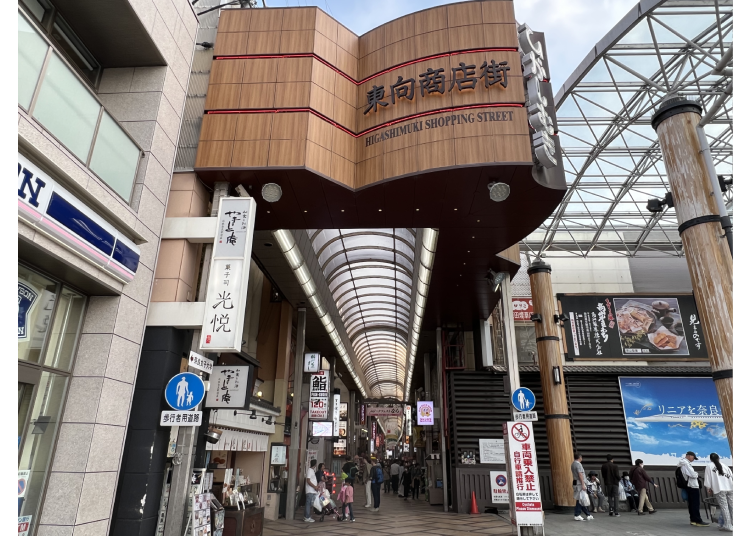
Just east of the Sanjo-dori shopping street, Sarusawa Pond is an easy stroll from JR Nara Station’s east exit or from Kintetsu-Nara Station via the Higashimuki arcade. This 332-meter artificial pond dates back to the Nara period. The reflection of Kofukuji’s Five-Story Pagoda and surrounding willow trees on its calm surface creates one of the most iconic photo spots in Nara.

Every year on April 17, the temple holds the Hojoe, releasing carp and goldfish into the pond. During the autumn moon-viewing season, the elegant Uneme Matsuri features beautifully adorned boats gliding across the water.

  • Kofukuji Gojunoto (Five-Story Pagoda)

    興福寺五重塔

    • Address
      Shibatsuji-cho, Nara City, Nara Prefecture
      View Map
    • Nearest Station

      20 minute walk from JR Yamatoji Line Nara Station; 5 minute walk from Kintetsu Nara Line Kintetsu Nara Station
    • Phone Number
      0742-22-0375
    • Hours: Open anytime

Kofukuji: A National Treasure Trove of Buddhist Statues

The East Golden Hall and Five-Story Pagoda

The East Golden Hall and Five-Story Pagoda

Kofukuji Temple is the head temple of the Hosso school of Buddhism, with origins dating back to 669, when it was first established in Kyoto by the wife of Fujiwara no Kamatari. After relocating to Fujiwara-kyo and being renamed Umayasaka-dera, the temple moved once more when the capital shifted to Nara. It was then renamed Kofukuji and flourished under the support of the imperial court and the powerful Fujiwara clan.

A key temple in both the Nara and Heian periods, Kofukuji remains a cultural landmark. Highlights include its iconic National Treasure—the Five-Story Pagoda—along with the Three-Story Pagoda and East Golden Hall. The temple also houses an extraordinary collection of Buddhist statuary, including the celebrated Ashura statue from the Tenpyo era, making it a true treasure trove for those interested in Buddhist art.

The Reconstructed Central Golden Hall

The Reconstructed Central Golden Hall

At the heart of Kofukuji stands the Central Golden Hall (Chukondo), which was finally reopened to the public in October 2018 after a 300-year absence. The hall has been destroyed by fire seven times throughout its history, making this reconstruction especially significant.

Inside, the principal object of worship is a statue of Shakyamuni Buddha, flanked by statues of the Medicine King and Medicine Superior Bodhisattvas—both designated Important Cultural Properties. Nearby, the South Octagonal Hall (Nan’endo) enshrines the Four Heavenly Kings, each a National Treasure.

Ashura Statue

Ashura Statue

The National Treasure Hall at Kofukuji recreates the original Nara-period dining hall and showcases a remarkable collection of Buddhist statues designated as National Treasures and Important Cultural Properties. Highlights include the Ashura statue—celebrated as one of the finest masterpieces of Nara-period sculpture—alongside the Eight Legions, fierce Nio guardians, and the playfully expressive Demon of Heavenly Light and Demon of Dragon Light.

Beneath the hall, the ruins of the original jikido remain preserved, offering a rare look into the temple’s ancient foundations.

  • Kofuku-ji Temple


    4.2 / 5

    • Address

      48 Noborioji-cho, Nara City, Nara Prefecture, 630-8213
      View Map
    • Nearest Station

      Kintetsunara Station (Kintetsu-nara Line)
      5 minutes on foot
    • Phone Number
      0742-22-7755

Savor Local Flavors at Kasuga Ninai-jaya Tea House

Savor Local Flavors at Kasuga Ninai-jaya Tea House

Operated directly by Kasuga Taisha Shrine, Kasuga Ninai-jaya sits along the shrine’s approach path, offering serene views of a seasonal garden right outside its windows. This charming tea house traces its roots back to the Edo period, when it was known for serving sweets and tea to worshippers.

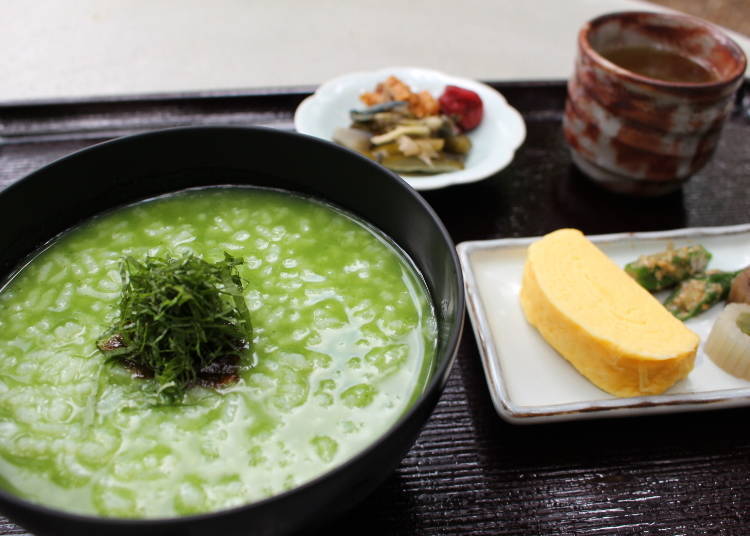
Today, it’s known for its specialty dish—Manyo-gayu, a local rice porridge inspired by the ancient Manyoshu poetry collection. With over 50 seats in the garden area, it’s the perfect place to relax and enjoy a peaceful meal surrounded by blooming flowers year-round.

Manyo-gayu (à la carte with pickles) – 1,200 yen (tax included)

Manyo-gayu (à la carte with pickles) – 1,200 yen (tax included)

The tea house’s signature dish is the seasonal Manyo-gayu, a delicate white miso rice porridge infused with rich kombu dashi. Each month features a different topping inspired by poems from the Manyoshu, starting in January with seven-herb porridge, followed by seasonal ingredients like soybeans, rapeseed blossoms, cherry blossoms, and yam.

For a taste of Nara’s local flavors in one meal, try the Yamato Meibutsu Zen set, which includes Manyo-gayu, persimmon leaf sushi, and kudzu mochi.

Kasuga Somen (with two persimmon leaf sushi) – 1,250 yen (tax included)

Kasuga Somen (with two persimmon leaf sushi) – 1,250 yen (tax included)

Inspired by a traditional celebratory meal at Kasuga Taisha called Kagi no Outozen, this dish features somen noodles served with umeboshi and mustard—prepared according to ancient customs. The Kasuga Somen is a seasonal favorite, available only in summer, and recreates this elegant and refreshing tradition.

  • Kasuga Ninai-jaya Tea House

    春日荷茶屋

    • Address
      160 Kasuganocho, Nara City, Nara Prefecture
      View Map
    • Nearest Station

      Nearest station: From JR Yamatoji Line Nara Station or Kintetsu Nara Line Kintetsu Nara Station, take a bus to Kasuga Taisha Honden for about 11–15 minutes and get off at Kasuga Taisha Honden; alternatively, take the clockwise city loop bus for about 9–13 minutes, get off at Nara Kasugano International Forum Iraka-mae, then walk about 10 minutes
    • Phone Number
      0742-27-2718
    • ・Hours: 10:30 AM–4:30 PM
      ・Closed: Mondays (Open daily in April–May and October–November)

Kasuga Taisha: Built to Protect the Ancient Capital of Heijo-kyo

Kasuga Taisha: Built to Protect the Ancient Capital of Heijo-kyo

Founded in 768 to safeguard Heijo-kyo and ensure the well-being of its people, Kasuga Taisha enshrines four deities: Takemikazuchi-no-Mikoto, Futsunushi-no-Mikoto, Amenokoyane-no-Mikoto, and Himegami—all of whom can be worshipped within the shrine grounds.

To commemorate the 1300th anniversary of the capital’s founding, the shrine began offering early morning worship experiences to the public. The tranquil atmosphere and beauty of the grounds at dawn create a truly special moment—highly recommended for visitors.

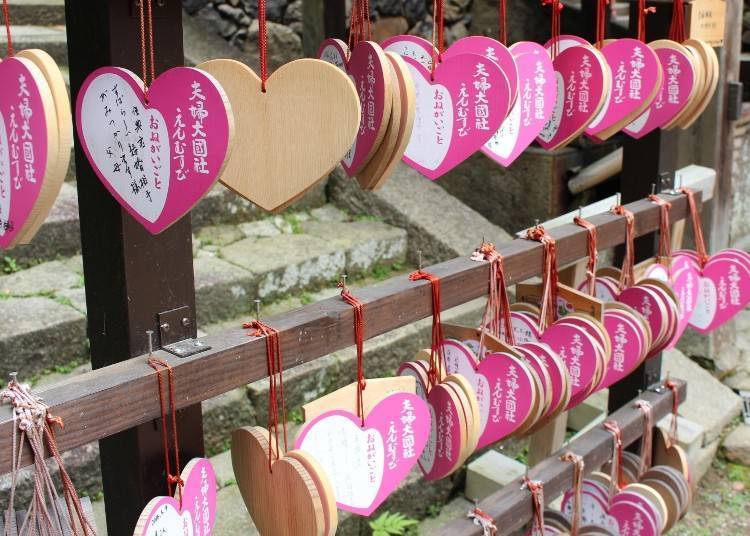
Within the grounds of Kasuga Taisha, you’ll find many smaller shrines, including the Meoto Daikokusha—the only shrine in Japan dedicated to the married deities of Okuninushi-no-Mikoto and his wife.

This unique shrine is known for blessings in business prosperity, marital harmony, and especially matchmaking. Visitors often offer heart-shaped ema (wooden votive plaques) in hopes of finding true love.

According to legend, the deity Takemikazuchi-no-Mikoto, enshrined at Kasuga Taisha|, arrived from Kashima in present-day Ibaraki Prefecture riding a white deer. As a result, deer are revered as sacred messengers of the gods and are carefully protected and respected by the shrine.

Many of the shrine’s lucky charms and omikuji (fortune slips) are shaped like deer, with the most beloved being the adorable shika-mikuji—a small deer figurine holding a fortune slip in its mouth. With such a charming good luck token, it feels like good fortune is sure to follow!

  • Kasuga-taisha Shrine


    4.4 / 5

    • Address

      160, Kasuganocho, Nara-shi, Nara, 630-8212
      View Map
    • Nearest Station

      Nara Station (JR Kansai Main Line / JR Yamatoji Line / JR Sakurai Line)
      11 minutes by car
    • Phone Number
      0742-22-7788

Kasuga Taisha Museum: Home to National Treasures

Kasuga Taisha Museum: Home to National Treasures

After visiting the main hall of Kasuga Taisha, be sure to stop by the Kasuga Taisha Museum (Kokuhoden), which houses an extraordinary collection of sacred artifacts. The museum preserves 352 National Treasures and 971 Important Cultural Properties.

On the first floor, you’ll find the Taiko Drum Hall, featuring a pair of massive daidaiko drums used during sacred Bugaku performances at the Kasuga Wakamiya Festival—each standing 6.5 meters tall, the largest of their kind in active use in Japan. The second-floor gallery showcases another daidaiko from the Kamakura period, believed to have been donated by Minamoto no Yoritomo, as well as other rare ritual offerings made to the shrine’s deities—items you can only see here.

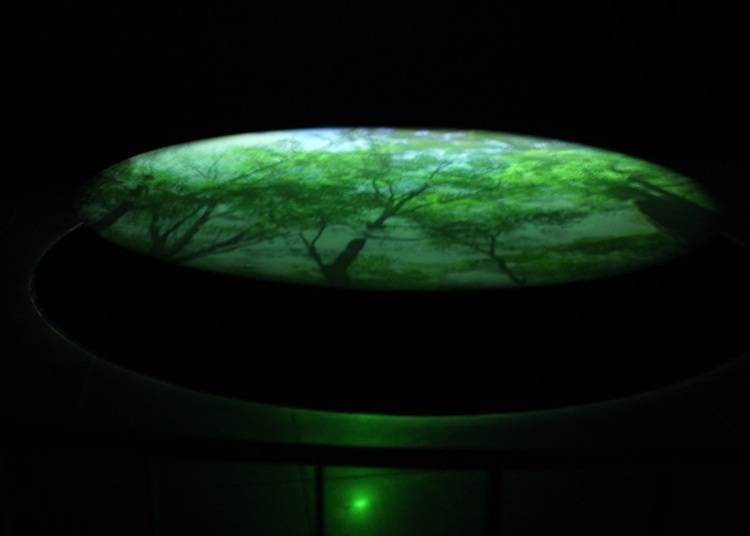
Another highlight of the Kasuga Taisha Museum is the immersive art space called Shingaki, designed to evoke the sacred spirit of Kasuga. One installation, Kannabi, is a 2-minute 30-second projection that uses a reflective water basin and overhead imagery to recreate the mystical atmosphere of Kasuga’s sacred forest. In the quiet, lush greenery appears, casting a serene and captivating glow.

Another piece, titled Kasuga, projects images of the shrine’s landscape—torii gates, deer along the approach path, and lanterns—onto a multi-layered lattice of iron frames. The shifting visuals create an almost otherworldly experience, as if stepping into the spiritual essence of Kasuga itself.

  • Kasuga Taisha Kokuhoden Museum

    国宝殿

    • Address
      奈良縣奈良市春日野町160
      View Map
    • Nearest Station

      ・Nearest station: From JR Yamatoji Line Nara Station or Kintetsu Nara Line Kintetsu Nara Station, take a bus to Kasuga Taisha Honden for about 11–15 minutes and get off at Kasuga Taisha Honden; alternatively, take the clockwise city loop bus for about 9–13 minutes, get off at Kasuga Taisha Omotesando, then walk about 10 minutes
    • Phone Number
      0742-22-7788
    • ・Hours: 10 AM–5 PM
      ・Admission: 500 yen
      ・Closed: During exhibit changes or temporarily as needed

World Heritage Site Todai-ji: A Monument to Nara’s Buddhist Legacy

Photo: LIVE JAPAN

Photo: LIVE JAPAN

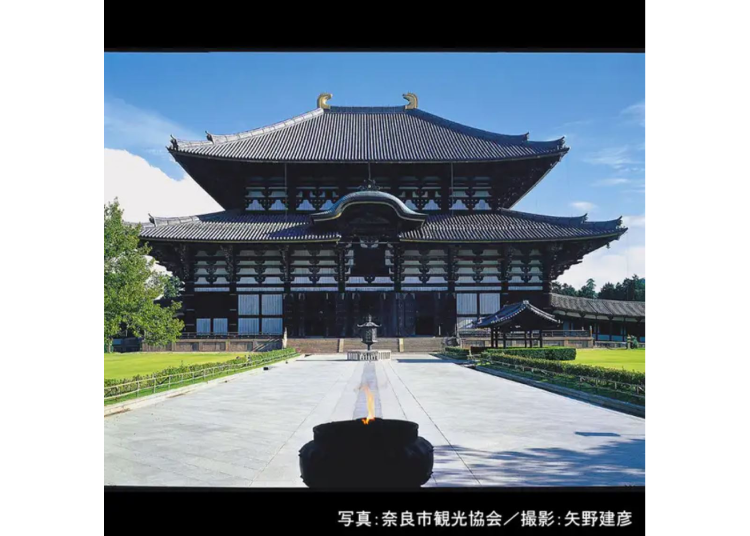
Built during the Nara period to pray for peace across the land, Todai-ji Temple stands as a grand testament to Japan’s Buddhist heritage. Its most iconic structure is the Daibutsuden (Great Buddha Hall), which houses the 15-meter-tall seated statue of Vairocana Buddha—known as the Nara Daibutsu. Housed in the world’s largest wooden building, the statue’s serene presence inspires awe and reverence.

Visitors also love trying the “pillar crawl” beneath one of the hall’s massive columns. It’s said that if you can squeeze through the hole, you’ll be blessed with the same wisdom as the Great Buddha—no easy feat, but an incredibly rewarding one! The temple grounds also feature other notable sites like the Great South Gate and Nigatsudo Hall, offering a walk through time and a deep connection to centuries of Buddhist culture.

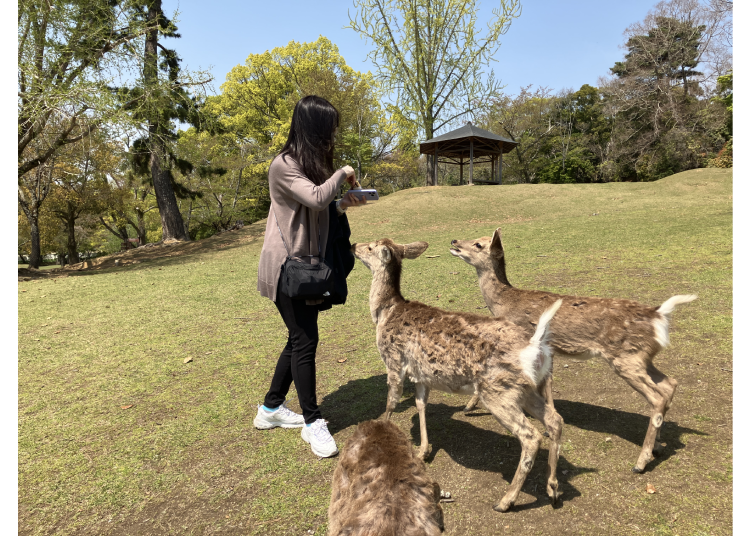
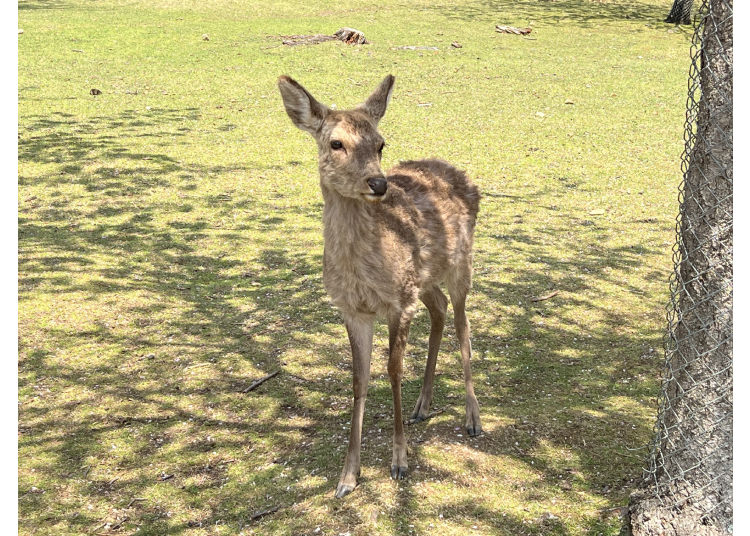
Outside Todai-ji Temple, you’ll often spot deer leisurely roaming the grounds. You can buy shika senbei (deer crackers) from local vendors for 200 yen per pack.

Once the deer catch sight of the treats in your hand, expect to be quickly surrounded! At that point, there’s no use resisting—just hand over the snacks and enjoy the fun of feeding Nara’s famous friendly residents.

  • Todai-ji Temple


    4.7 / 5

    • Address

      406-1 Zoshicho, Nara City, Nara Prefecture, 630-8587
      View Map
    • Nearest Station

      Kintetsunara Station (Kintetsu-nara Line)
      20 minutes on foot
    • Phone Number
      0742-22-5511

Admission

  • Great Buddha Hall: 800 yen for adults / 400 yen for elementary school students

Yoshikien: A Tranquil Japanese Garden Hidden Beside Todai-ji

Photo: LIVE JAPAN

Photo: LIVE JAPAN

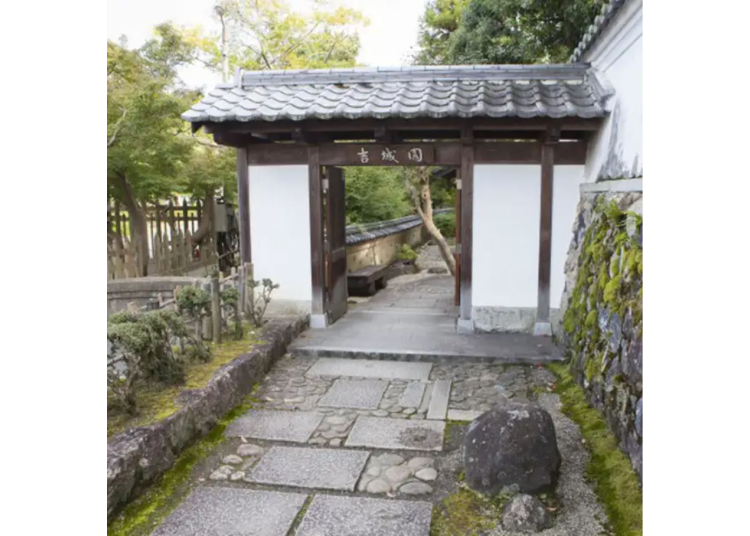
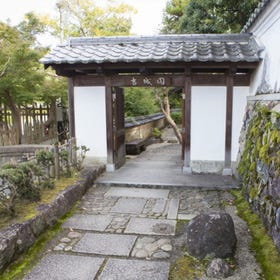
If you’re looking to escape the crowds and quietly enjoy a garden view, Yoshikien—tucked beside Todai-ji—is the perfect retreat.

This traditional Japanese garden artfully combines three styles: a pond garden, dry landscape (kare-sansui), and a tea garden. While it may appear modest on a map, wandering through its layered scenery reveals a rich and varied landscape.

Each season brings a new charm—fresh greenery in spring, lush foliage in summer, fiery maples in autumn, and the subtle beauty of frost-kissed stones in winter. Relaxing on the wooden veranda of the garden’s tatami room while watching the light and shadows shift across the garden offers a quiet, meditative moment.

With few visitors and a calm atmosphere, Yoshikien is an ideal place to rest and reflect after exploring Todai-ji.

  • Yoshikien Garden


    4.4 / 5

    • Address

      60-1, Noboriojicho, Nara-shi, Nara, 630-8213
      View Map
    • Nearest Station

      Kintetsunara Station (Kintetsu-nara Line)
      10 minutes on foot
    • Phone Number
      0742-22-5911

Nara National Museum: A Showcase of Japan’s Buddhist Art Heritage

Photo: LIVE JAPAN

Photo: LIVE JAPAN

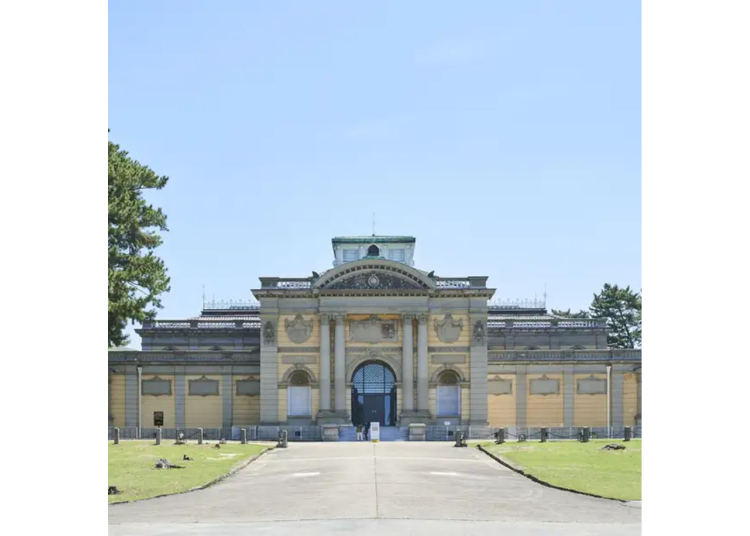
Located within Nara Park, the Nara National Museum was founded in the Meiji era and is dedicated to preserving and exhibiting Buddhist art. It’s an ideal place to immerse yourself in the spiritual and artistic legacy of Japanese religious culture. The museum consists of two buildings: a Western-style historic wing and a sleek modern gallery. Its collections feature Buddhist statues, scriptures, and paintings sourced from ancient temples and shrines across Japan.

One of its most iconic events is the annual autumn Shosoin Exhibition, a limited-time display of treasures from the Shosoin repository—artifacts once used by emperors during the Nara period. These rare items reflect the influence of Silk Road culture and the fusion of Eastern and Western aesthetics. Even those unfamiliar with Buddhist art will be moved by the craftsmanship and history embedded in each piece—well worth taking the time to explore.

  • Nara National Museum


    4.3 / 5

    • Address

      50, Noboriojicho, Nara-shi, Nara, 630-8213
      View Map
    • Nearest Station

      Kintetsunara Station (Kintetsu-nara Line)
      15 minutes on foot
    • Phone Number
      050-5542-8600

Admission

  • Permanent Exhibits: 700 yen for adults / 350 yen for university students / Free for high school students and younger (*Special exhibitions require separate admission)

End Your Nara Trip on a Sweet Note Near Kintetsu-Nara Station

End Your Nara Trip on a Sweet Note Near Kintetsu-Nara Station

After your stroll through Nara Park, take some time to explore the area around Kintetsu-Nara Station before heading home. This lively neighborhood is full of shops selling deer-themed trinkets, lucky charms from local shrines, and traditional Japanese sweets.

Be sure to try kakinoha-zushi, a local specialty featuring sushi wrapped in persimmon leaves. It’s easy to find at station kiosks, nearby supermarkets, or souvenir shops—and perfect as a snack on the train or back at your hotel.

Don’t miss shopping spots like “GOTO-CHI” and “Time’s Place Nara” right by the station, where you’ll find stylish goods and Nara-exclusive items—an ideal last stop for souvenirs and cute gifts.

Bonus Tip: Stay the Night—Recommended Hotels Around Nara

While it’s possible to see the main sights of Nara Park in a day, spending a night here allows you to experience the area’s ancient charm at a more relaxed pace.

We’ve selected a few hotels near JR Nara Station and Kintetsu-Nara Station that offer a touch of traditional Japanese atmosphere—perfect for immersing yourself in the spirit of Nara from morning to night.

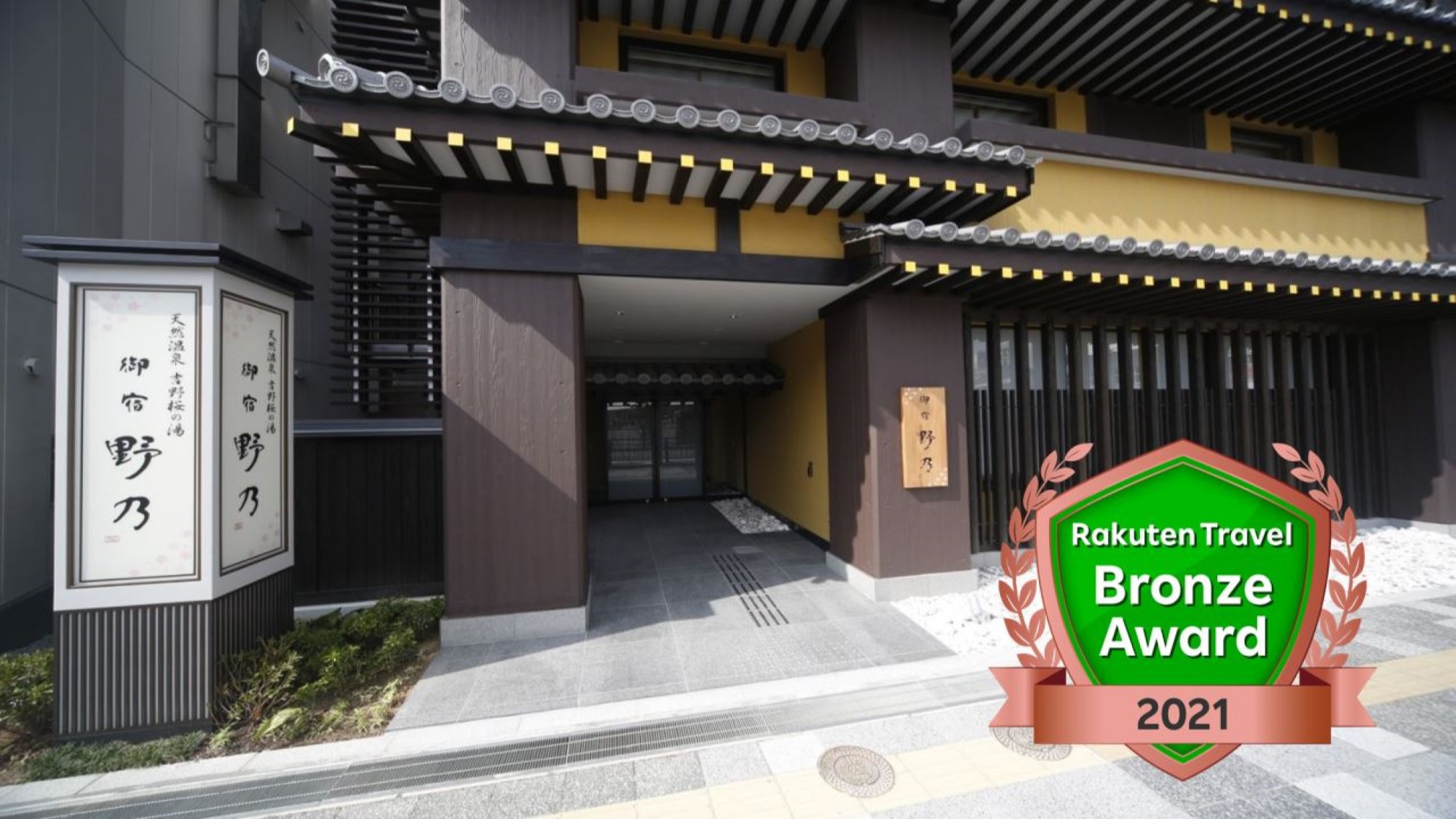
  • Onyado Nono Nara

    天然温泉 吉野桜の湯 御宿 野乃奈良(ドーミーイン・御宿野乃 ホテルズグループ)

    • Address
      1-1-6 Omiyacho, Nara-shi, Nara

      View Map
    • Original source: Rakuten Travel

    Vacancy search, reservation

    Check with our partner site as the latest rates, rate details, and guest room requirements may vary.

  • Super Hotel Premier JR Nara Eki

    スーパーホテルPremierJR奈良駅

    • Address
      Sanjohonmachi 1-2, Nara, Nara

      View Map
    • Original source: Booking.com

    Vacancy search, reservation

    Check with our partner site as the latest rates, rate details, and guest room requirements may vary.

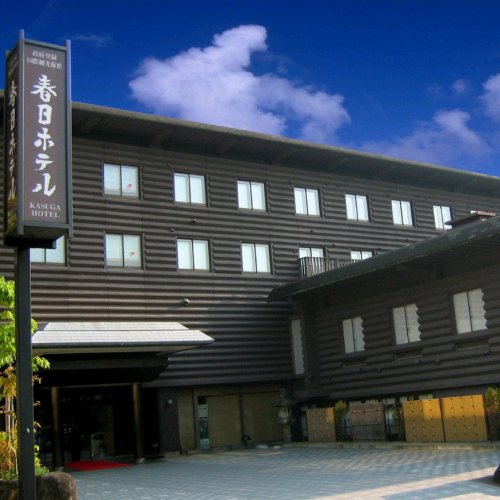
  • Kasuga Hotel

    春日ホテル

    • Address
      40 Nobori Ojicho, Nara-shi, Nara

      View Map
    • Original source: Rakuten Travel

    Vacancy search, reservation

    Check with our partner site as the latest rates, rate details, and guest room requirements may vary.

  • Iroha Grand Hotel Kintetsu Nara Ekimae

    いろはグランホテル近鉄奈良駅前

    • Address
      30 Konishi-cho, Nara, Nara

      View Map
    • Original source: Booking.com

    Vacancy search, reservation

    Check with our partner site as the latest rates, rate details, and guest room requirements may vary.

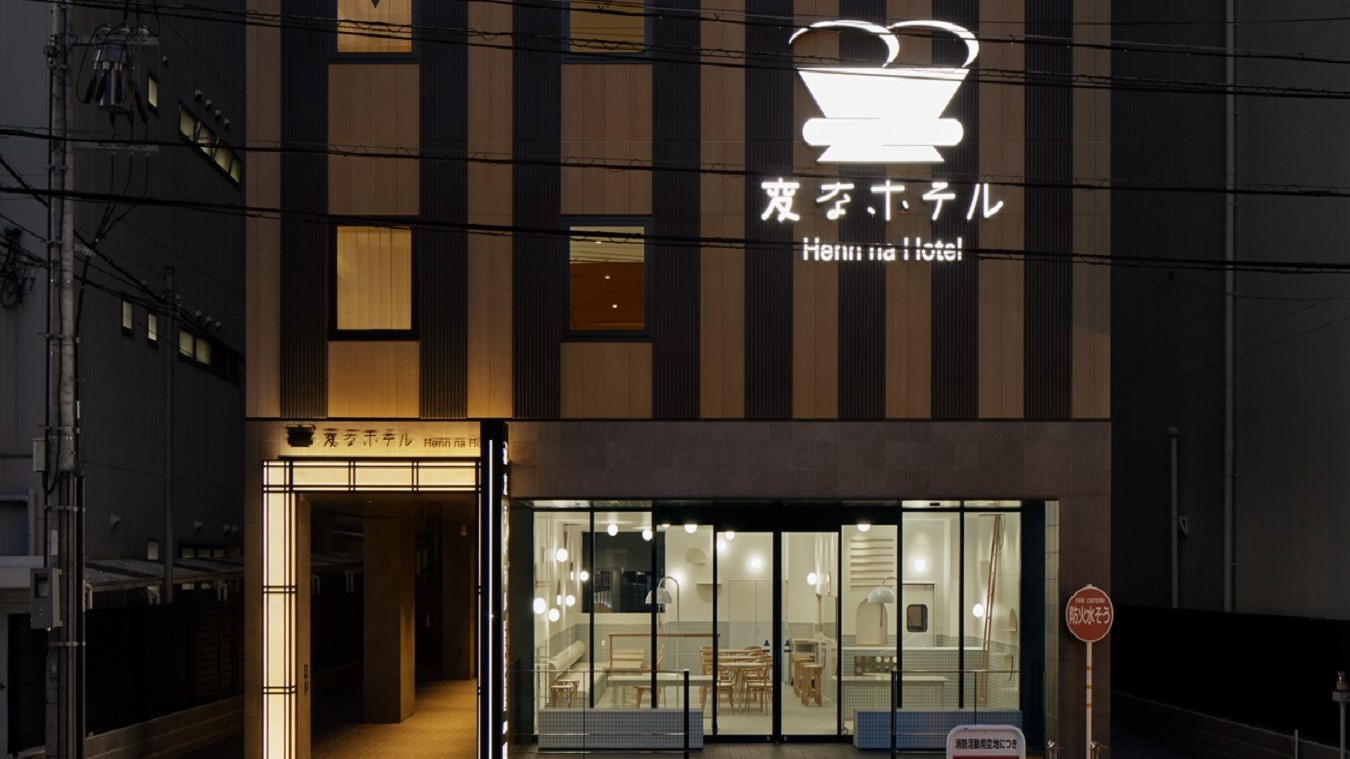
  • Henn na Hotel Premier Nara

    変なホテルプレミア 奈良

    • Address
      46-1 Takamacho, Nara-shi, Nara

      View Map
    • Original source: Rakuten Travel

    Vacancy search, reservation

    Check with our partner site as the latest rates, rate details, and guest room requirements may vary.

  • Ryokan Asukasou at the entrancne of Nara park

    Ryokan Asukasou at the entrancne of Nara park

    • Address
      Takabatake-cho 1113-3 , Nara, Nara

      View Map
    • Original source: Booking.com

    Vacancy search, reservation

    Check with our partner site as the latest rates, rate details, and guest room requirements may vary.

Whether it’s the quiet majesty of World Heritage temples, the lush greenery of the park, or the soothing moments shared with Nara’s gentle deer, the area around Nara Park offers a travel pace unlike Kyoto’s bustling charm. Here, you won’t find crowded streets or flashy commercial zones—instead, ancient temples blend seamlessly with nature, and local snacks await in laid-back shopping streets.

From Kintetsu-Nara Station, follow a route through Todai-ji Temple, Kasuga Taisha, Yoshikien Garden, and the Nara National Museum, then finish your stroll by browsing for souvenirs or relaxing with a dessert near the station. This day trip beautifully weaves together history, nature, and local life.

If you’ve already explored the lively elegance of Kyoto, consider setting aside a day to immerse yourself in Nara’s peaceful atmosphere. You might just find your own personal moment of Japan—whether it’s in a quiet gaze shared with a deer or among the timeless ruins of the Asuka era.

To wrap things up, we’ve also gathered a few easy one-day tours in Nara, Osaka, and Kyoto—perfect for those looking for a laid-back Kansai experience!

Written by:

WESTPLAN

Kiko Matsuda, Keiko Kimura, Risa Tsushi, and a team of female writers familiar with Kansai. We love eating, drinking and traveling! We share fun information based on our experiences.

*This information is from the time of this article’s publication.
*Prices and options mentioned are subject to change.
*Unless stated otherwise, all prices include tax.
Categories
Japan

Shueisha turns 100 with an eye on the future of manga

Shueisha, the Japanese publishing giant behind some of the world’s most influential manga and magazines, including Weekly Shonen Jump, Japan’s top-selling and record-setting manga magazine, turns 100 this year. While the centenary celebration demonstrates how far the company has come, the anniversary is not just about looking backward.

Shueisha’s most representative 100th anniversary activities are not historical retrospectives in museums but new multimedia projects for readers, such as digitized manga and audio books, and streamlined support for aspiring manga artists including advice on registering intellectual property and invoicing.

The most expansive of these is Shueisha Manga Expo, a website that dives into the publisher’s archives and is scheduled to operate for a full year. Its centerpiece feature, “This Month’s 100 Recommended Manga,” refreshes monthly, with 100 selected titles from Shueisha’s vast catalog available for free as well as related volumes at promotional prices of ¥100. Instead of pushing only its biggest international hits, Shueisha is using the centenary to bring renewed attention to its older titles, making this project less about marketing and more about curation.

Categories
Japan

According to Locals: Weird Reasons Why Tokyo Is Irresistable

According to Locals: Weird Reasons Why Tokyo Is Irresistable
  • Written by: Guest Contributor

Last updated: 15 May 2026

In Japan, the trend of people moving from the countryside to large cities is as strong as ever. Especially difficult is the overconcentration in Tokyo, meaning that both people and money accumulates in Tokyo like nowhere else.

The government is promoting regional revitalization across the country to combat this phenomenon, but there are no figures to show any results yet. According to a publication by the Cabinet Secretariat’s “Machi, Hito, Shigoto” revitalization bureau, the Tokyo Metropolitan Area has experienced excessive immigration since 1996 in an unbroken trend.

There are various reasons why people move to Tokyo from the countryside: “We moved to Tokyo after getting married” or “I was transferred to Tokyo.” However, these alone cannot be the only factors in the phenomenon of overconcentration in Tokyo.

Many places across Japan offer an easier life than in Tokyo, so why are people drawn to the capital in such numbers? Is there some sort of special charm? We’re exploring the reasons for this trend, seen from the view of Japanese people from the countryside.

What is the Actual Situation of Overconcentration in Tokyo?

What is the Actual Situation of Overconcentration in Tokyo?

Since 1996, the influx of people moving to Tokyo has continuously exceeded the number of people leaving. According to the Report on Internal Migration in Japan based on the Basic Resident Register (2025 results), the prefectures experiencing an excess influx of new residents are Tokyo, Chiba, Saitama, Kanagawa, Shiga, Osaka, and Fukuoka.

Every other prefecture in the country is experiencing a net population loss. The destination with the highest net migration is Tokyo (65,597 people), followed by Kanagawa (18,524 people) and Osaka (17,489 people).

On the other hand, the prefectures with the highest net population loss are Shizuoka (7,919 people), Fukushima (7,617 people), and Niigata (6,897 people). Looking at these concrete figures, it is more than clear why the phenomenon is widely described as the “overconcentration in Tokyo.”

Furthermore, according to the results of the “9th Population Movement Survey (published March 21, 2025)” by the National Institute of Population and Social Security Research, 67.8% of the population were still living in their place of birth at the time of the survey, which shows little change compared to 68.6% in 2016.

However, for those who do live outside of their birthplace, the vast majority choose to reside within the three major metropolitan areas (Tokyo, Osaka, and Nagoya). Notably, a significant portion of individuals born in Hokkaido and Eastern Japan choose to move to Tokyo or the greater Tokyo area.

Why are so many people willing to leave their hometowns to migrate to and stay in the Tokyo metropolitan area?

Unraveling these underlying reasons provides a direct window into the phenomenon of “overconcentration in Tokyo.”

Why Do People Move to Tokyo? Work? College?

Tokyo, Town of Famous Universities

Tokyo, Town of Famous Universities

The report on the current situation of Tokyo’s overconcentration by the Cabinet Secretariat’s “Machi, Hito, Shigoto” revitalization bureau breaks down Tokyo’s incoming population by age, revealing that more than half are young people between 15 and 24 years old.

This indicates that most people move to Tokyo for higher education or employment. While there are plenty of universities outside of Tokyo, why choose the capital?

“Attending a well-known university in Tokyo makes job hunting much easier than going to a lesser-known local college,” is a common sentiment among young migrants.

With prestigious institutions like Keio, Waseda, Sophia, Rikkyo, and Meiji universities, it is an undeniable fact that highly regarded schools are heavily concentrated in Tokyo. Furthermore, students looking for schools that match their academic level often find that their home prefectures lack suitable options, making Tokyo the ultimate destination.

According to the “Knowledge Station” website by Insight International, out of the 793 national, public, and private universities across Japan, 143 are located right in Tokyo, leaving the remaining 650 scattered across the other 46 prefectures.

This educational concentration is further amplified by Japan’s unique hiring convention known as “shinsotsu ikkatsu saiyō” (simultaneous recruiting of new graduates). Since companies evaluate and hire students concurrently within a strictly limited period, university prestige frequently acts as a vital screening criterion, driving students to prioritize well-known Tokyo universities to secure their future career prospects.

Companies throughout Japan are Looking for Employees – Why the Overconcentration in Tokyo?

Companies throughout Japan are Looking for Employees – Why the Overconcentration in Tokyo?

Besides that, regional differences in employment opportunities are often cited as a key reason for the overconcentration in Tokyo. Tokyo naturally boasts an immense number of job openings, prompting many to relocate there for work.

However, data suggests this is not the absolute primary factor.

According to the effective opening-to-application ratios by prefecture published by the Japan Institute for Labour Policy and Training (seasonally adjusted data up to March 2026), the top three regions are actually Fukui Prefecture at 1.74, Toyama Prefecture at 1.66, and Shimane Prefecture at 1.54.

This proves that Tokyo is far from the only place with a strong job market.

If employment metrics alone cannot explain the mass migration to Tokyo, other elements must be at play, such as the unique cultural appeal of the city or a level of convenience and lifestyle satisfaction that can only be fully appreciated once you actually live there.

A Kaleidoscope of Entertainment and Shopping, Adding Color to People’s Lives

A Kaleidoscope of Entertainment and Shopping, Adding Color to People’s Lives

“Bookstores in Tokyo have a selection that rural bookstores cannot compete with.” (Man from Gunma, 25)

“Tokyo has so many museums and movie theaters.” (Man from Miyazaki, 31)

“There are famous fashion brand stores in Tokyo.” (Woman from Nagano, 28)

One of the major factors attracting people from rural areas is Tokyo’s overwhelming concentration of entertainment, cultural, and shopping facilities.

Many people from the countryside grow up in areas without cinemas, museums, large bookstores, or specialty shops. As a result, they often have limited direct access to the hobbies, interests, and lifestyles they are passionate about.

For these individuals, Tokyo’s sheer diversity and abundance of opportunities feels exciting, liberating, and deeply appealing.

On top of that, Tokyo offers a plethora of different types of shops and commercial facilities. Examples are record shops and bookstores, some of them specializing in new releases while others handle retro goods, collector’s items, and old classics that aren’t printed or produced anymore.

Scouring Tokyo for long enough, you are sure to find rare and highly sought-after goods that are impossible to get even on the internet. In short, Tokyo is the prime spot to explore your love, no matter what that love is.

Tokyo’s people are just as diverse, boasting every viewpoint or value imaginable. From “marrying and having a child by the age of 30” to “going to college and working for a famous company,” the roads to happiness are manifold in Tokyo.

That doesn’t only pretty much guarantee you to find someone who’s on the same page but it also allows you to broaden your horizon by getting to know people that are completely different from you.

The author of this article, born and bred in Gunma Prefecture, realized just how many choices one has during their life, for example. It’s a diversity of thoughts and values as it can never be experienced in the countryside – is that not one, if not the most prominent reason as to why people keep flocking to Tokyo?

The rent is high and there’s an insane amount of people – Tokyo is by no means an easy city to live in, compared to Japan’s countryside. Nonetheless, more and more people move to the city each year.

Tokyo is ever-evolving, changing from one day to the next, and is at the forefront of diverse change and progress in Japan towards a global society. People from all walks of life, with various viewpoints and diverse ideas, coexist in this giant city filled with education, culture, and entertainment.

Isn’t this unique and exciting atmosphere what sets Tokyo apart and makes it so irresistibly fascinating?

Written by Tomoya Nakazawa

*This information is from the time of this article’s publication.
*Prices and options mentioned are subject to change.
*Unless stated otherwise, all prices include tax.

Categories
Japan

Takaichi unveils $19 billion extra budget, reassures on bond issuance

Japan will build up an extra $19 billion in reserves to subsidize fuel costs and help tackle cost of living pressures, Prime Minister Sanae Takaichi ​said on Monday, while looking to assuage bond market concerns by promising no extra borrowing overall.

The supplementary ‌budget, first ‌reported earlier this month, marks a reversal from Takaichi’s previous remarks ruling out ​the need for extra spending, but comes as a spike in energy prices following the Iran war — along with rising import costs from the weak yen — threaten her persistently high support among the electorate.

The extra ⁠budget of some ¥3 trillion ($19 billion) comes after the government decided to use roughly half of its ¥1 trillion contingency reserves to fund subsidies aimed at curbing utility bills, increasing the need to replenish reserves amid the risk of a prolonged Middle East crisis.

Categories
Japan

Get to Know Otaru, Japan’s Fairytale City!

Get to Know Otaru, Japan's Fairytale City!

Last updated: 29 January 2021

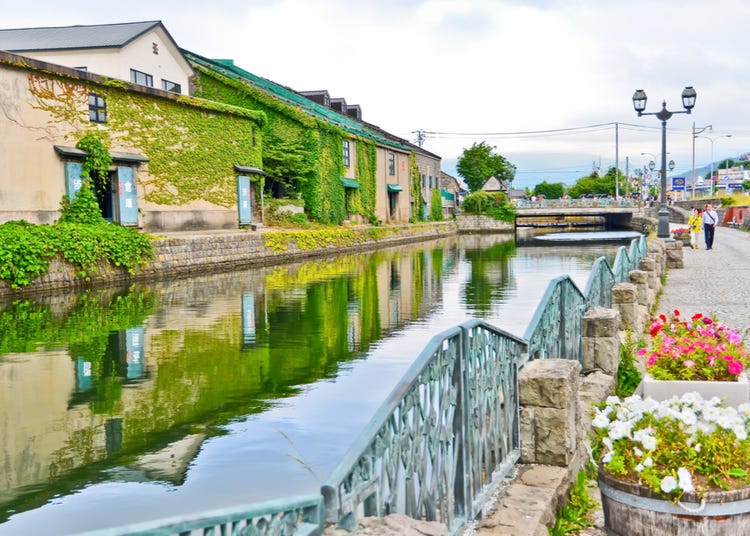
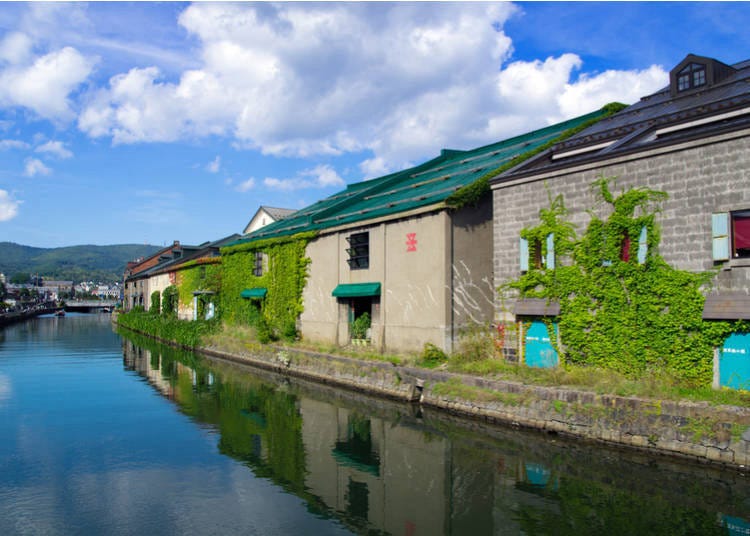
Originally developed 150 years ago as the economic center of Hokkaido, Otaru is now one of the northern island’s leading tourist destinations. Drawing in sightseers and history buffs from across the world, the Otaru Canal and its dozens of storage warehouses are an unblemished reminder of Hokkaido’s fascinating pioneering history!

Complemented by a vibrant arts and crafts scene along with exceptional seafood cuisine, you’ll want to spend as much time as possible in this dynamic and retro city!

Main image: Javen / Shutterstock.com

Otaru Travel Guide: Inside Hokkaido’s Leading Destination!

Otaru Travel Guide: Inside Hokkaido's Leading Destination!

Time in Otaru is best spent taking in the atmosphere through a stroll along its enchanting canal. Providing a genuine glimpse into a bygone era, such intact slices of history are a growing rarity in Japan these days.

Visitors can also browse through and purchase stunning Otaru glassware while sampling the unique seafood dishes on offer around the port. And that’s just the start! For such a small city, there’s so much to do in Otaru!

Who Knew Japan Had Such Amazing Sweets?! Top 7 Otaru Souvenirs & Desserts

Who Knew Japan Had Such Amazing Sweets?! Top 7 Otaru Souvenirs & Desserts

Otaru has more on offer than just its historical buildings! The romantic township brims with famous desserts and souvenirs not found anywhere else in Japan!

We’ve picked 7 must-stop shops offering all kinds of delectable desserts and other goodies to sweeten up your Otaru adventure! Many of these also offer take-out, so you can indulge while enjoying the sights and sounds of this incredible city.

Otaru Dining: 5 Best Otaru Sushi Restaurants for Uni, Seafood & More!

Otaru Dining: 5 Best Otaru Sushi Restaurants for Uni, Seafood & More!

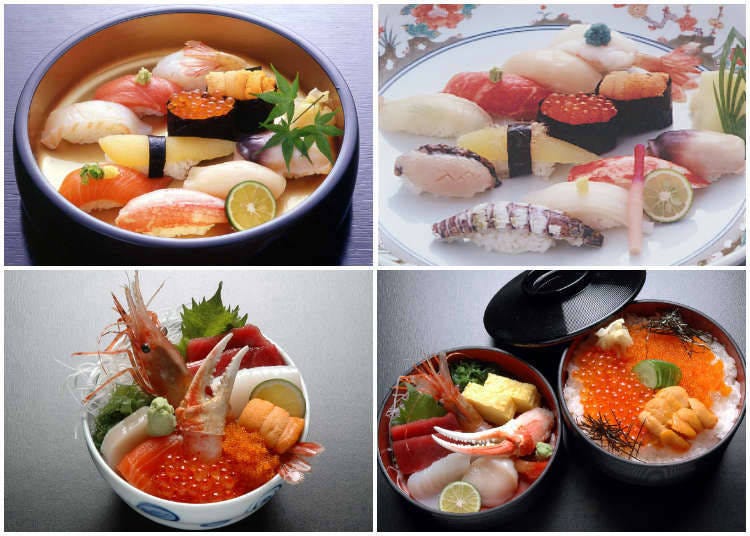
As a flourishing port, sushi naturally became a staple menu item throughout Otaru. Ranging from legendary joints on ‘Otaru Sushi Street’ to local sushi trains frequented by residents, we’ve drawn up a list of five that represent the best of Otaru sushi. All are near Otaru Station and the canal area, making them easily accessible even on a day-trip. If you feel a sushi craving coming on in Otaru, we’ve got you covered!

Top 6 Things to Do in Otaru, Hokkaido’s Ever-Popular City!

Top 6 Things to Do in Otaru, Hokkaido's Ever-Popular City!

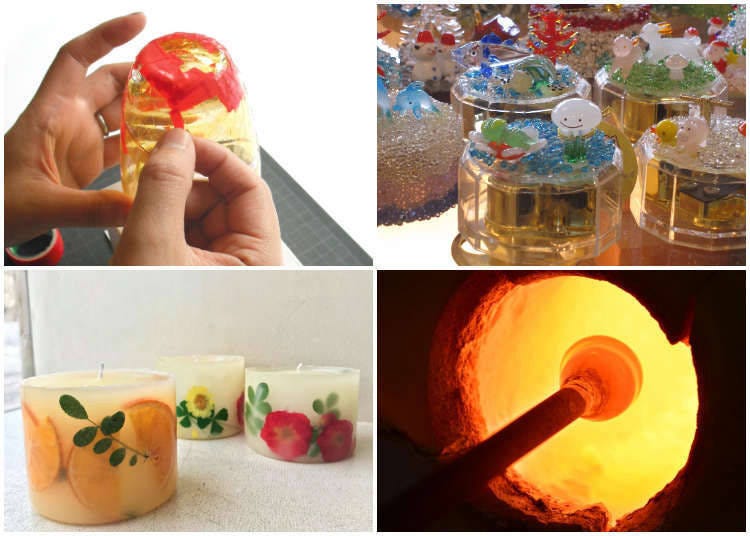
Once you’ve had your fill of canal-side strolls and scrumptious sushi, it’s time to get active and delve into Otaru’s rich arts and crafts culture! From glass blowing, candle making, and music box building, there are numerous places offering exciting activities for beginners the whole family can enjoy!

Make an extra-special, hand-crafted souvenir, along with invaluable lifelong memories with these 6 things to do in Otaru!

3 Best Otaru Hotels: Top Accommodations With Amazing Views, Perfect Locations!

3 Best Otaru Hotels: Top Accommodations With Amazing Views, Perfect Locations!

Otaru’s burgeoning popularity has naturally led to an array of hotels allowing visitors to enjoy the city in comfort and style!

While only a 35-minute train ride from Sapporo, the historical significance and restaurant scene makes Otaru worth spending a night in! To help you find the perfect stay, we present our top picks for the best Otaru hotels with great locations, amazing views, and reasonable prices!

Otaru’s enchanting canal system, dynamic seafood, booming arts scene, and unique craftsmanship make it a truly special place. Even surrounded by other amazing Hokkaido gems, such as Hakodate and Sapporo, the quaint Otaru truly stands out!

Written by:

Steve Csorgo

From Melbourne, Australia, Steve lives in Niigata City, two hours north-west of Tokyo. His passions include discovering local sake, dining at interesting restaurants and travelling as much of Japan as possible.

*This information is from the time of this article’s publication.
*Prices and options mentioned are subject to change.
*Unless stated otherwise, all prices include tax.

Categories
Japan

Japan imperial couple likely to visit Kumamoto in September

The Imperial Household Agency is making arrangements for Emperor Naruhito and Empress Masako to visit Kumamoto Prefecture in late September, which marked the 10th anniversary in April of a pair of powerful earthquakes that rocked the prefecture, informed sources have said.

During an envisaged two-day visit, the emperor and the empress are expected to inspect progress in reconstruction programs in areas devastated by the 2016 earthquakes and meet with people affected by the disaster, the sources said Saturday.

It would be the first visit for the Imperial couple to areas hit by the earthquakes since the emperor ascended the throne in 2019.

“Even now, remembering the enormous damage caused by disasters to various parts of the country pains my heart,” the emperor told a news conference in February, adding that he will remain focused on people in disaster-hit areas.

Categories
Japan

10 Amazing Japanese Summer Foods You Didn’t Know Existed!

HOME
10 Amazing Japanese Summer Foods You Didn’t Know Existed!

10 Amazing Japanese Summer Foods You Didn't Know Existed!

Last updated: 22 April 2020

What makes summer in Japan even better? Delicious seasonal food of course! Whether you’re camping, eating out, or just looking for something cool to cool down on a sunny day, our list of the top summer food in Japan is certain to have something you will love!

Kakigori

Kakigori

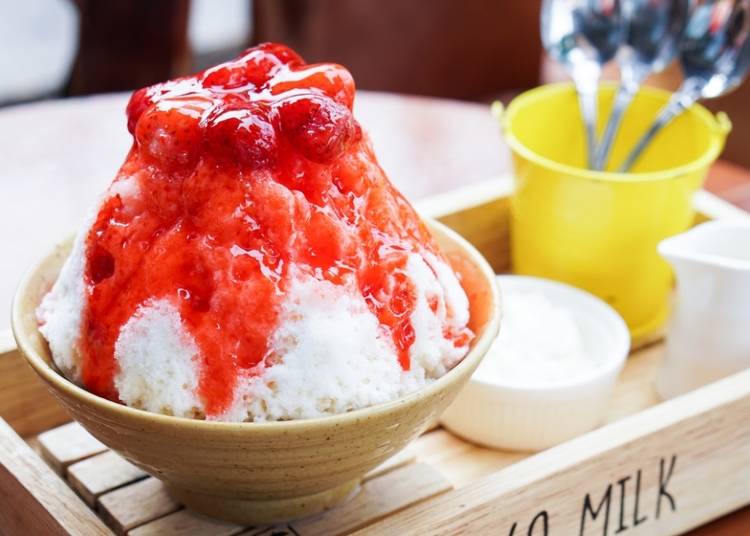
It’s no secret that summer in Japan can get very hot and sticky. Luckily, you can get yourself kakigori just about anywhere! Kakigori is Japanese for “shaved ice,” and it’s a great way to cool down on a sunny day. If you want to add a sweet taste to your kakigori, add one of the many varieties of syrup. Strawberry, lemon, banana, chocolate, or even rainbow can add a bit of flavor to your selection.

Somen

Somen

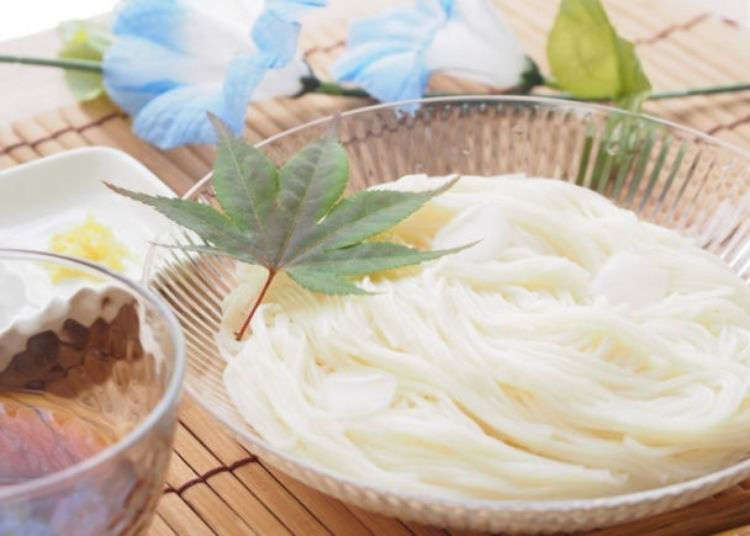
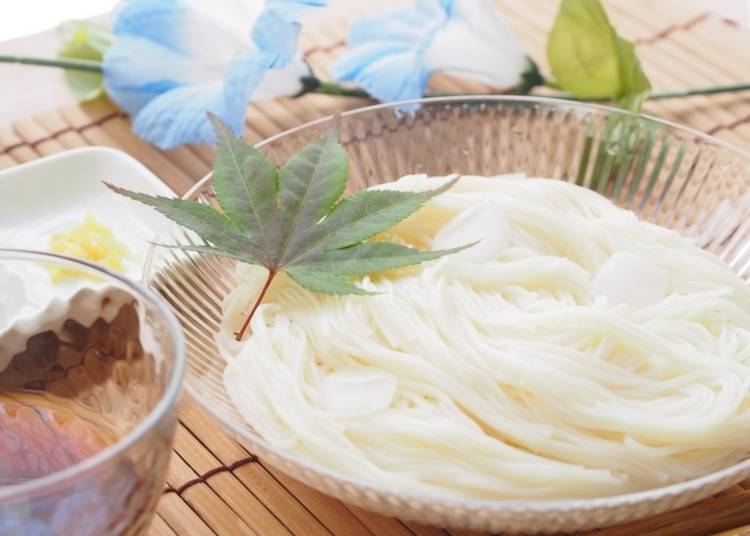
If you just want a meal that will make you feel refreshed, duck inside a noodle restaurant for some somen. Somen are thin Japanese noodle made from wheat flour. It is served cold and comes with a soup on the side for you to dip your noodles. This is a great lunch dish that will leave you feeling re-energized and ready to take on the sun.

Jumbo Parfaits

Jumbo Parfaits

Need something for you and your friends? Try a jumbo parfait! These gigantic dishes are famous in Japan, being stuffed with many different kinds of fruits and desserts. Every restaurant and ice cream stand seems to have their own take on these elaborate creations, so you’ll never have the same one twice!

Ayu

Ayu

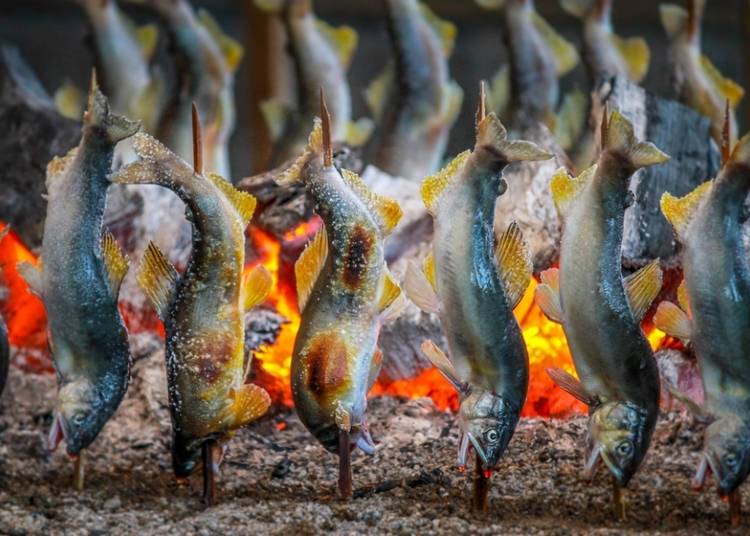
If you love fish, ayu, or sweetfish, is a perfect on-the-go snack. It is usually grilled and is associated with the summertime in Japan. The fish have a sweet taste sweet that some say is similar to that of a watermelon. Ayu is popular at festivals and fireworks displays, so be on the lookout for a skewer of this grilled fish wherever you see food booths.

Hiyashi Chuka

Hiyashi Chuka

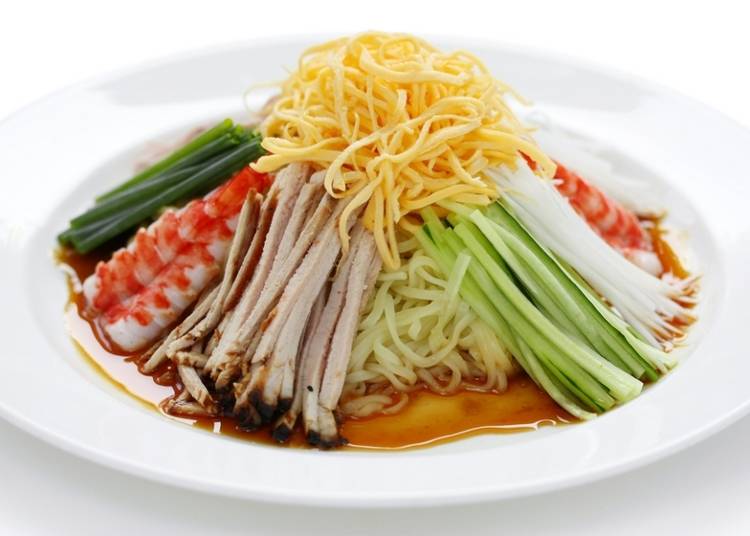
Hiyashi Chuka is another one of those meals recommended during the summer to recover from being beaten down by the heat. Hiyashi Chuka means “chilled Chinese,” but it’s actually a Japanese dish consisting sliced thin vegetables on top of cold ramen noodles. It is a healthy meal and won’t leave you feeling heavy afterwards! Not only is Hiyashi Chuka is visually appealing, but the combination of vegetables, chilled soup, and noodles will be easy to re-create in your own kitchen!

Rei Shabu

Rei Shabu

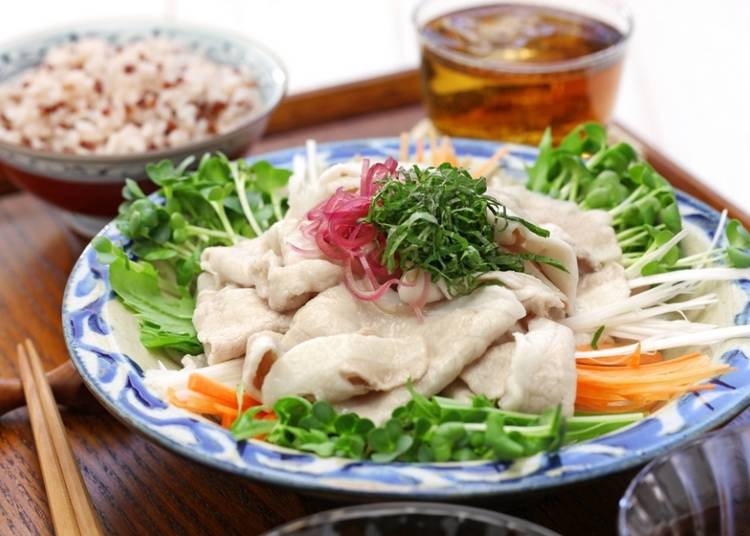
Rei Shabu is the summer version of shabu-shabu, where the meat is served cold. Instead of boiling a pot of stock while cooking, this dish is prepared like a cold pork salad. The veggies are raw and the meat is cold, which makes it refreshing to eat on a hot summer day.

Yakitori

Yakitori

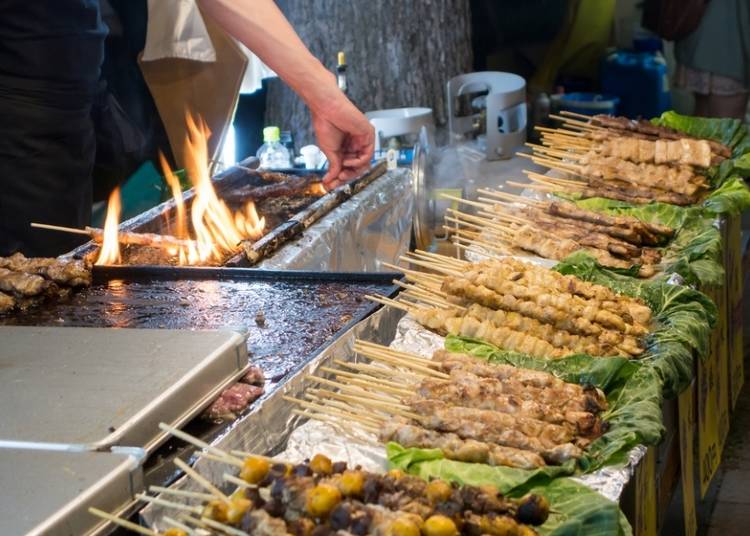
Yakitori is popular year-round, but it is the quintessential festival food for summer matsuri. Yakitori is skewered chicken served in noisy pubs, summer festival food stands, or at roadside stalls. Yakitori is best when served alongside a cold beer after a long day of work or play. Besides chicken, you can find many other varieties of skewered meat, from steak and bacon all the way out to the Japanese favorite, octopus! Try it, you won’t regret it!

Kuzumochi

Kuzumochi

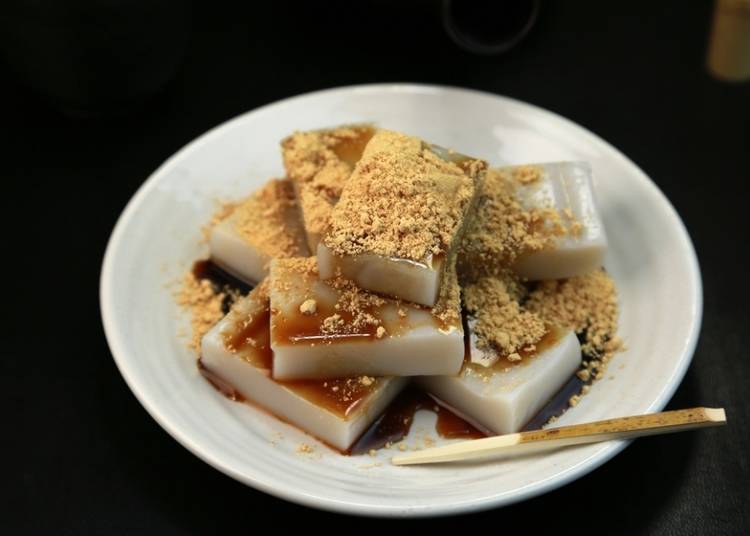
Kuzumochi is the perfect summer time snack when you want something sweet but not too heavy. It is mochi (made from starch flour and root of kudzu plant), not too sticky, and wobbly like thick jello. Kuzumochi is sprinkled with kinako (roasted soybean flour) and topped with kuromitsu (black honey) to give it that sweet taste. It is also gluten free and is a great vegetarian dessert.

Takoyaki

Takoyaki

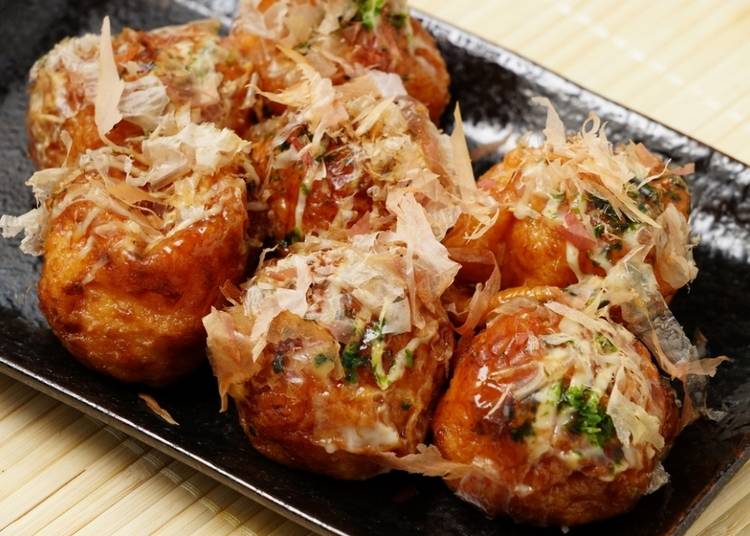
One of Japan’s best street foods is takoyaki. Takoyaki means “fried octopus,” but it’s actually a small, round ball of batter containing pieces of octopus. You can get takoyaki anywhere in Japan, and it is a nice snack to eat during summer. During the summer festivals in Japan, it’s a great idea to go to a takoyaki stand and get yourself a few to snack on as you take in the sights!

Cold Tanuki Udon

Cold Tanuki Udon

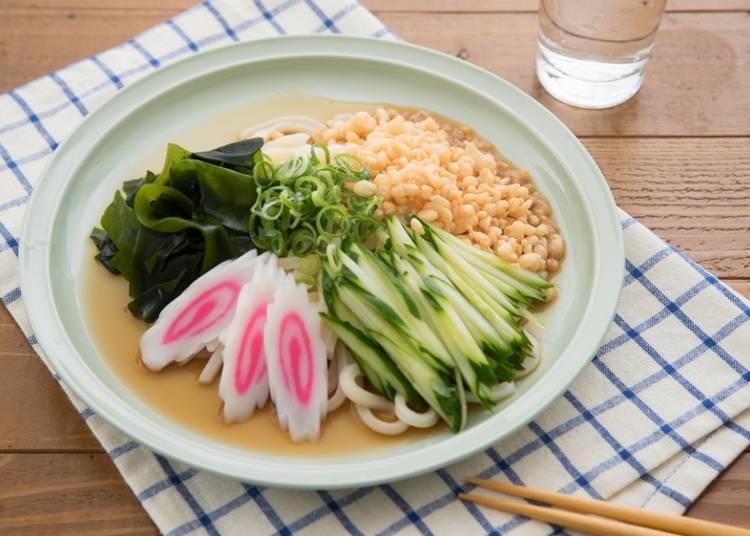
Although udon is often served hot, cold udon is a specialty of the summer. Cold tanuki udon is like somen, but instead of thin noodles, the dish uses a thicker noodle made from wheat flour. The toppings include cucumbers, agedama (little bits of crunchy fried tempura batter), seaweed, and other fresh vegetables. Great for your lazy afternoon lunch!

*This information is from the time of this article’s publication.
*Prices and options mentioned are subject to change.
*Unless stated otherwise, all prices include tax.

Categories
Japan

China coal mine blast kills at least 90, more missing

A gas explosion at a coal mine in northern China has killed at least 90 people, state media reported Saturday, the country’s biggest mining disaster in 17 years.
A total of 247 workers were underground at the time of the blast, which occurred at 7:29 p.m. Friday at the Liushenyu coal mine in Shanxi province, according to the official Xinhua News Agency.

At least 90 people had died and 123 others were sent to hospital for treatment, four of whom were in critical or severe condition, state broadcaster CCTV said.