
Move over Pocock, another David is flexing his muscles in the Senate.
Australians are getting their first taste of the Greens’ beefed-up leadership this week, with David Shoebridge and co driving a hard bargain on both the Digital Duty of Care bill — they, like the Australia Institute, want individuals to have the right to sue social media platforms for online harms — and the proposed 30% minimum tax on discretionary trusts, which the Greens argue has been “watered down” in the face of business demands.
The Coalition looks unlikely to play ball on either, considering one to be censorship and the other to be communism, leaving the Greens as the Labor government’s only negotiating partner.
As per usual, the outcome will rely on both parties coming to the table and accepting some compromise, acknowledging their respective goals and requirements. Fortunately for Treasurer Jim Chalmers, when it comes to the trust tax changes, the Greens want the same thing he does. But will Labor be willing to take the win, even if it means giving the Greens one too?
After months of wealthy tax-avoiders screaming bloody murder over changes to trusts, it should be a relief for Labor to have a negotiating partner openly backing the policy’s original intent — ensuring the rich pay what they’re supposed to pay. As Chalmers said when introducing the changes in the budget, discretionary trusts are used by the well-off to subvert the tax system, splitting income in a way unavailable to wage earners to lower their tax bill. It was little wonder the rich revolted, and little surprise Labor caved.
Labor spent the winter trying to placate the “business community” with exemptions and workarounds, offering various ways to avoid the 30% tax on distributions. It goes without saying that said community was never going to be placated, hostile as it is to anything resulting in paying a lick of extra tax. Their latest whinge? How much it will cost to restructure their affairs to once again minimise their tax, with Labor quickly offering a way to avoid that too.
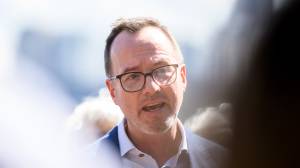
As Shoebridge made clear upon taking the leadership, the Greens aren’t going to back trust reforms riddled with concessions and loopholes. The new Greens leader told the AFR that the post-budget carve-outs (many of which had been demanded by the AFR) risked “watering down the initial policy intent” and “taking away some of the material gains.” The part is now pushing for a Senate inquiry into the carve-outs, with economic spokesman Nick McKim warning that private school fees paid by trusts were another loophole in need of closing.
Related Article Block Placeholder
Article ID: 1267451
It’s remarkable how similar the Greens lines are to Labor’s when they are actually bothering to defend their policy, rather than simply rolling over to the AFR. As McKim told the ABC this morning, “People who are wealthy enough to set up trusts should not get a tax break to pay for private school fees when this option is denied to people who can’t afford expensive accountants.” Home Affairs minister Tony Burke, meanwhile, told News24, “Where something is set up for the purposes of avoiding the tax that every other Australian taxpayer pays, you can understand why the government’s been doing a whole lot of work to make sure that the system is fair.”
It remains to be seen whether the government can recognise the helping hand the Greens are offering here, demanding it return its policy to something resembling what was intended. Chalmers really should be grateful for the minor party’s support and advocacy for his original proposal, a commonsense reform that was wrecked by a pro-business media and a cowardly prime minister.
Discussion about this post