









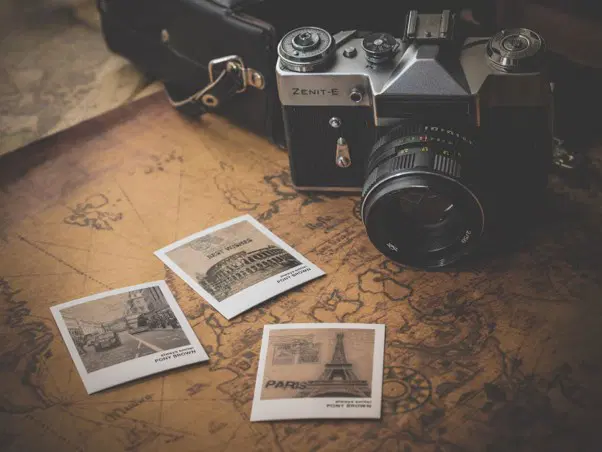
The day begins with an early alarm, followed by a rushed breakfast and a series of packed sights demanding your attention. By the week’s end, you may have visited numerous attractions yet struggle to recall the majority of them. With a camera filled with photos and an overwhelming sense of fatigue, the thought arises: Was this really a vacation?
Travel often resembles a checklist pursuit. Driven by a fear of missing out, travelers cram their itineraries with recommendations from guidebooks. The end result is frequently more stress rather than relaxation.
However, there exists a more enriching travel approach: one that encourages fewer destinations, longer stays, and a deeper engagement with the present moment. Here’s how slow travel not only calms the mind but also fosters stronger connections to places and personal insights.
Understanding Slow Travel
Slow travel emphasizes prolonged stays in fewer locations, allowing experiences to develop organically without rigid schedules. Instead of darting through a city in a couple of days, consider immersing yourself in a single neighborhood for an entire week.
You don’t need an extended holiday or exotic locale to embrace this concept. Whether it’s a month abroad or a relaxed weekend in a nearby town, the core element is your pace. Select a few genuinely desired activities, leave ample free time, and allow spontaneity to shape your journey.
This doesn’t equate to inactivity; it merely suggests an approach where you explore, savor local cuisines, and engage with residents at a comfortable pace—enabling you to be fully present during each experience.
The Mental Benefits of Slowing Down
Embracing a slower pace brings clarity to the mind, providing necessary space for contemplation. A congested itinerary compels continuous decision-making—whether it’s determining transit options, dining choices, or fitting in one last sight. Reducing the number of planned stops means encountering fewer choices, which alleviates the pressure to accomplish everything.
Unscheduled time allows thoughts to wander, promoting relaxation. Imagine sitting in a square with coffee in hand, observing the rhythm of life around you. Such mindful moments help diminish stress and encourage appreciation of the present.
Preparation before your journey can also aid mental relaxation. Many find it easier to enjoy time away when not burdened by outstanding tasks. Completing trivial matters, like responding to emails or canceling unneeded subscriptions, reduces mental clutter. This clarity enhances your capacity to be present in the moment.
Building Meaningful Connections Through Fewer Destinations
Extended stays in one locale heighten awareness of subtle details, rendering visits more authentic. By your third morning, you might have discovered your preferred café, become a familiar face to the baker, or exchanged nods with local residents. These experiences transform an unfamiliar place into a space that feels more welcoming.
Moreover, slow travel nurtures opportunities for deeper engagement with locals. Without the pressure of constant movement, you can engage in meaningful conversations with shopkeepers or residents, gaining insights far removed from typical guidebook advice. Such interactions often emerge as the most cherished memories.
Furthermore, slowing your pace enhances memory retention. A hurried itinerary may blur experiences, while a handful of profound moments allows for lasting impressions. While the name of a landmark may fade, the scent of fresh pastries or the evening light casting shadows on rooftops can linger in your mind.
Self-Discovery and Reflection Through Travel
A more relaxed schedule opens the door to self-reflection. Initially, you might feel uncomfortable with the absence of constant activity. Discomfort can lead to curiosity, revealing genuine interests and preferences.
Through slow travel, you can engage in quiet self-discovery, uncovering passions like early morning strolls, sketching, reading in serene settings, or cooking with local ingredients. You might realize that crowded museums hold less appeal for you than quiet parks—insights that are valuable in everyday life.
This approach also cultivates patience. Learning to wait calmly for public transport or adapting plans on a rainy day fosters resilience and acceptance—skills that can greatly enhance your daily interactions back home.
Integrating a Slower Pace into Daily Life
Reflect on that weary traveler, burdened by a full camera roll yet feeling drained. Slow travel proffers a transformative narrative. By limiting the number of destinations, you allow yourself to truly enjoy each one, promote calmness, forge deeper connections, and discover more about yourself. Sometimes, experiencing less means attaining more.
There’s no need for drastic life changes to adopt this mindset. On your next outing, select one destination and keep one afternoon entirely free. Forgo the checklist; wander aimlessly and observe. Gradually, you can infuse this relaxed pace into your routine, savoring unhurried moments in daily life.

Sara Essop is a travel blogger and writer based in South Africa. She shares insights on family travel and global experiences on her blog, “In Africa and Beyond”. Having traveled to 53 countries, Sara is particularly passionate about showcasing the beauty of her homeland and holds the title of a certified South Africa Specialist.









Discussion about this post