









Date published: 27 November 2026
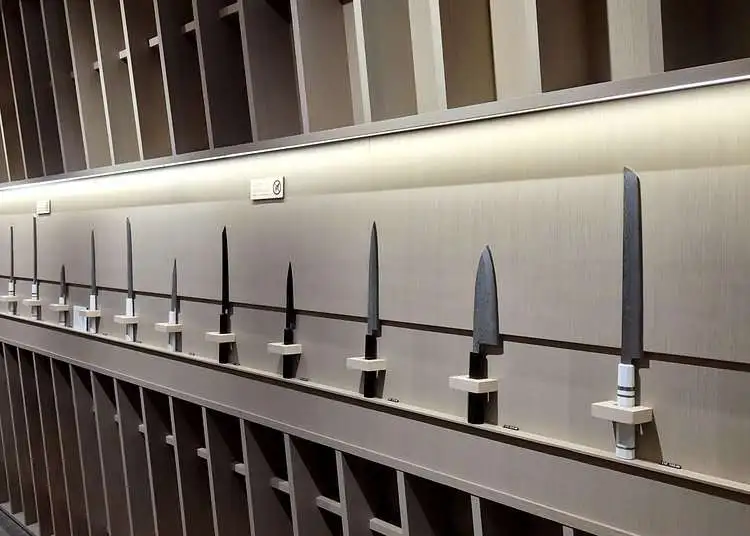
Kappabashi Dougu Street, also known as Kappabashi Kitchen Town, is the premier destination for purchasing Japanese kitchen knives in Tokyo. This bustling street, approximately 800 meters long, stretches from Asakusa to Ueno and is a mere ten-minute walk from the famous Sensoji Temple. Shops on both sides of the street offer a wide array of cookware, tableware, and specialty knives, with numerous stores dedicated exclusively to knives. Visitors have the opportunity to handle the knives, compare options, and even test their cutting capabilities, with many shops providing on-site engraving services.
However, the abundance of shops can also be overwhelming, especially with many recent tourist-oriented establishments. To assist first-time visitors, this guide details how to select a knife, outlines five notable shops, and explains tax-free purchases as well as tips for safely transporting your knife home.
Selecting a Japanese Knife: Key Considerations
Before visiting, consider two key factors: the primary foods you will be cutting and your willingness to maintain the knife. These answers will help staff guide you to the most suitable options.
Popular Knife Shapes
| Shape (Japanese Name) | Main Use | Ideal For |
|---|---|---|
| Santoku | Meat, fish, and vegetables | A great starter knife for everyday cooking |
| Gyuto | Larger ingredients like meat | Ideal for those used to Western chef’s knives |
| Nakiri | Vegetables | Cooks focused on vegetable preparation |
| Petty | Small tasks like peeling | A supplementary knife for versatility |
| Deba | Breaking down fish | For those who frequently fillet fish |
| Yanagiba | Slicing sashimi | Home sushi makers |
Stainless vs. Carbon Steel
The choice between stainless and carbon steel primarily revolves around maintenance and sharpness.
Stainless steel options like VG-10 and Ginsan are popular for their rust resistance, requiring only basic cleaning. Many Damascus-patterned knives feature a VG-10 core surrounded by layered steel for aesthetic appeal.
Conversely, carbon steels such as Shirogami and Aogami are favored for their sharpness and ease of honing but require diligent care to prevent rust. Always dry these knives promptly after use.
Understanding Japanese Knife Pricing
Japanese knives can range from a few thousand yen to over 100,000 yen. Kamata Hakensha provides clear pricing labels for various knife types, aiding customers in making informed choices.
| Knife Type | Price (Yen) |
|---|---|
| Santoku | 22,000 to 25,800 |
| Gyuto and Sujihiki (Stainless) | 12,800 to 25,800 |
| Deba (Carbon Steel) | 19,800 to 42,600 |
| Yanagiba (Carbon Steel) | 18,800 to 69,800 |
| Honesuki Boning Knife (Carbon Steel) | 11,400 to 24,800 |
Top Kappabashi Knife Shops: A Comparative Overview
The following five shops are conveniently located along or near Kappabashi Dougu Street, each within a ten-minute walking distance of one another. Most shops offer tax-free shopping, making it beneficial to visit multiple stores before making a purchase.
| Shop | Founded | Best For | Engraving | Hours |
|---|---|---|---|---|
| MUSASHI JAPAN Kita-Kappabashi | 2023 | Buyers seeking multilingual assistance and test cuts | Free | Daily, 10:30 a.m. to 6 p.m. |
| Kama-Asa Shoten | 1908 | A one-stop shop for knives and cookware | Free | 11 a.m. to 5:30 p.m. |
| Kamata Hakensha | 1923 | Sharpening and aftercare enthusiasts | Free, by hand | Daily, 10 a.m. to 6 p.m. |
| Tsubaya | 1952 | Hands-on knife comparisons | — | Daily, 10 a.m. to 5 p.m. |
| JIKKO Cutlery Kappabashi | 1900 | Sakai-made knives | Available | Daily, 10 a.m. to 5:30 p.m. |
Practical Tips: Engraving, Tax-Free Shopping, and Transporting Your Knife
1. Ensure you have your actual passport, as copies are not accepted for tax-free purchases.
2. Explore two or three shops before making your decision. The street is short and can be walked in around thirty minutes.
3. Engraving should be done once you’ve made your choice. Most shops can complete this in just a few minutes. Keep in mind that engraved knives typically cannot be returned, so confirm your choice first.
4. Request tax-free shopping at the register, where the shop will record your passport information and purchase details.
Changes to Tax-Free Shopping from November 2026
Starting from November 1, 2026, purchases will reflect a tax-inclusive price. When exiting Japan, customs will verify your purchase, and the consumption tax will be refunded. Key points to remember include:
• Minimum purchase for tax exemption is 5,000 yen or more before tax, typically achievable with one knife.
• Conduct the customs check at the airport before checking your bags, as knives must be transported in checked luggage.
• Refund requests must be made within 90 days of purchase, with all items present for inspection.
Shipping Options for Your Knife
Both Kamata Hakensha and JIKKO offer international shipping. Kama-Asa’s online store also accepts international orders but advises that holiday shipments may be delayed. Confirm shipping rates and tax handling prior to making an order.
Frequently Asked Questions
Can I bring a Japanese kitchen knife on the plane?
No, knives must be checked in. Japanese law prohibits carrying them in the cabin, with violations potentially leading to fines. Airlines also require prior notification for knife check-ins.
Can I bring my knife into my home country?
Customs regulations vary by country, so it’s advisable to check your local laws, especially for expensive knives or multiple items.
Is prior booking necessary for engraving?
Generally, no reservation is needed. Engraving is typically completed on-site and free of charge at MUSASHI JAPAN, Kama-Asa Shoten, and Kamata Hakensha. However, weekends may lead to longer wait times.
Are Kappabashi shops open on Sundays?
Many shops are closed on Sundays, with most closing between 5 and 6 p.m. The five shops highlighted in this guide are open on Sundays, but Tsubaya closes at 5 p.m. daily.
How do I prevent my carbon steel knife from rusting?
Always wash and dry the knife immediately after use. Avoid leaving it submerged in water or placing it in a dishwasher. If not used for an extended period, apply a light layer of oil. Regardless of the steel type, refrain from using it on bones or hard frozen items as the edge is delicate.
Should I invest in a whetstone?
If you plan to use your knife extensively, it is advisable. Japanese knives perform best when sharpened on a whetstone, and a medium grit stone (around #1000) suffices for regular maintenance. Alternatively, you can return to the shop for sharpening.
Is Kappabashi worth visiting for souvenirs?
Absolutely. The street is renowned for food replicas, with shops like Ganso Shokuhin Sample-ya offering sushi-shaped magnets and kits for creating replica food items.
Visiting Kappabashi: Getting There and Exploring
Kappabashi Dougu Street runs approximately 800 meters. To access it, take the Tokyo Metro Ginza Line to Tawaramachi Station or the Tsukuba Express to Asakusa Station, with a five-minute walk to the street. Look for the iconic Niimi building, marked by a giant chef’s head, which indicates the street’s entrance. It is a ten-minute walk from Sensoji Temple.

The golden Kappa Kawataro statue in Kappabashi.
A recommended itinerary includes visiting Sensoji in the morning, enjoying lunch, and then heading to Kappabashi, starting from the southern end on Asakusa-dori and moving northward. Allocate two to three hours if you want to select a knife and have it engraved. Note that many shops close by 5 p.m., so plan your visit accordingly.
-


-
Address
1, Matsugaya, Taitou-ku, Tokyo, 111-0036
View Map
-
Nearest Station
Tawaramachi Station (Tokyo Metro Ginza Line) -
Phone Number
03-3844-1225
-
Address


Author: Yang Yang, an employee of Gurunavi (the company behind LIVE JAPAN), previously ran an e-commerce business specializing in Japanese snacks and has extensive knowledge of Japanese cuisine. This guide is based on my experiences visiting all five shops on November 19, 2026. Please check each shop’s official website for updated hours and prices.
*The information provided is accurate as of the publication date.
*Prices and options are subject to change.
*All prices listed include tax unless otherwise stated.










Discussion about this post