









Federal Funding Cut for LA Homeless Agency Marks Shift in Policy
The Trump administration’s recent move to permanently withdraw federal funding from Los Angeles’ troubled homeless services agency signifies a significant departure from the policies established during the Obama administration, which critics have labeled as a series of failures.
Expert Commentary on the Decision
In an exclusive interview, Michele Steeb, a veteran in homeless services, provided insights on the announcement made by the Department of Housing and Urban Development (HUD) regarding its decision to sever ties with the Los Angeles Homeless Services Authority (LAHSA). She highlighted the shortcomings of the Housing First model, which was promoted by former President Barack Obama.
Steeb criticized the model for permitting individuals to remain in subsidized housing without the necessity of seeking sobriety or mental health treatment, arguing that it ultimately discourages recovery and limits housing availability for others in need.
Critique of the Housing First Approach
“When the Housing First model was instituted in 2013, President Obama assured the nation that it would eradicate homelessness within a decade. However, ten years later, we have witnessed an alarming 35% increase in the national homeless population,” Steeb stated.
She further asserted that the program has led to a loss of purpose for many individuals, as they are granted permanent housing without any obligations or requirements.
Obama’s Reflections on the Crisis
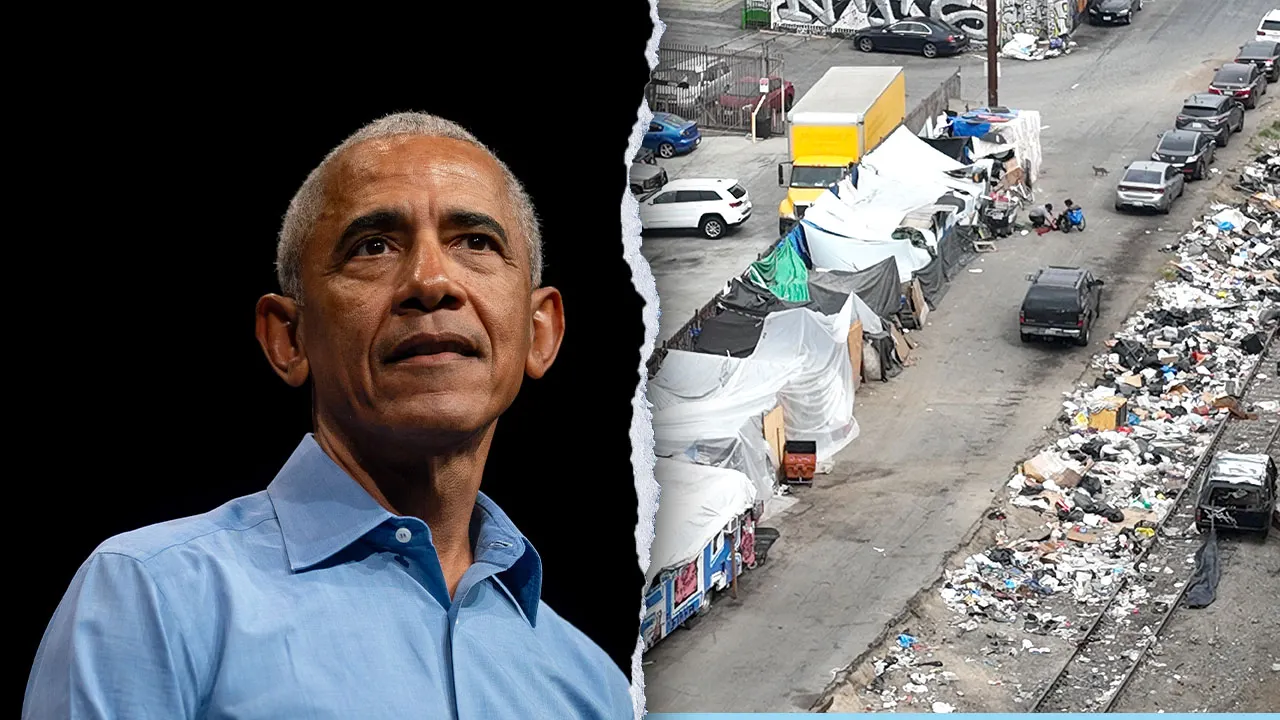
This year, Obama referred to the escalating homelessness crisis in Los Angeles as a moral “atrocity,” emphasizing the need for programs that combine assistance with accountability. “The average person doesn’t want to navigate around tent cities in downtown areas,” he noted, pointing out the potential political repercussions of ignoring the issue.
California’s Struggles with Homelessness
California’s experience with the Housing First model presents a glaring example of its inadequacies, according to Steeb. Despite substantial government investment, homelessness has surged rather than diminished. The state saw a 40% increase in homelessness from 2016 to 2025, even as federal spending on homeless initiatives grew significantly.
In Los Angeles specifically, the homeless population rose by 60% to 70% in the past five years, despite LAHSA receiving over $1 billion in federal funds.
Ongoing Challenges and Future Outlook
Steeb expressed concern that the ongoing crisis is often attributed to insufficient funding rather than a flawed system. “It’s disheartening that many defenders of the system continue to blame funding shortages,” she remarked. “The reality is that this approach has failed dramatically.”
HUD’s decision to terminate funding is seen as an attempt to reintroduce accountability into homeless services, especially following allegations of fraud within LAHSA. The funding is expected to be redirected to Los Angeles County, which will take over the agency’s responsibilities.
While acknowledging that the county has its own challenges, Steeb remains cautiously optimistic about the transition, suggesting it could bring improvements to a system she believes has largely fallen short in tackling the homelessness crisis.







Discussion about this post