









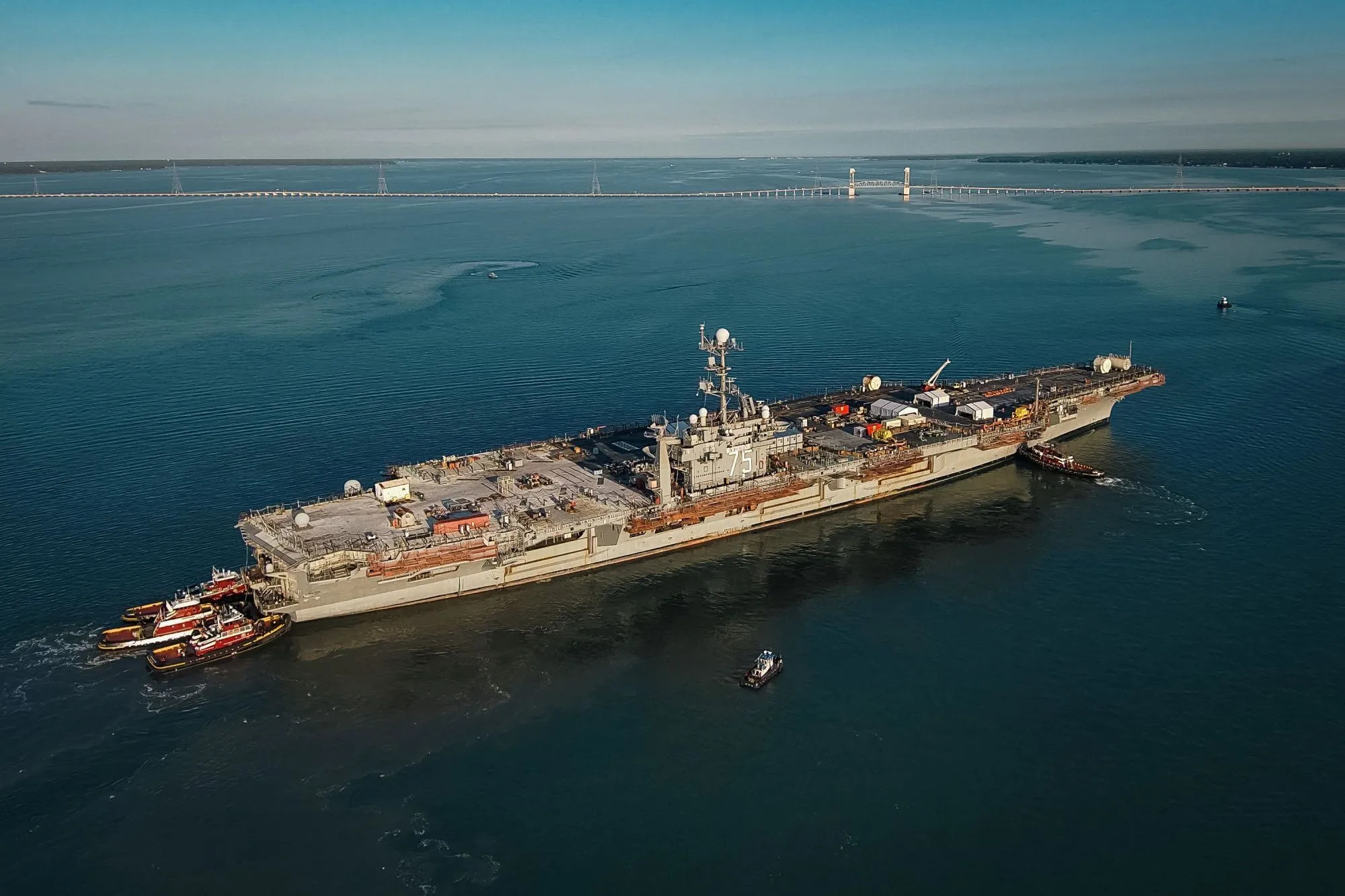
USS Harry S. Truman Arrives for Overhaul
Current Deployment Status – As of March 2026, several U.S. Navy aircraft carriers are actively deployed. The USS Gerald R. Ford has been at sea for nine months with no scheduled return, while the USS Abraham Lincoln has been engaged in operations against Iran since November 2025. The USS George H.W. Bush is preparing to relieve the Ford after completing training.
Under a 2007 law, the Navy is mandated to maintain a fleet of at least 11 aircraft carriers. However, as reported, four vessels are currently undergoing maintenance: USS Stennis is in an overhaul, while the USS Eisenhower and USS Reagan are in planned incremental availabilities. The USS Harry S. Truman joins this list as it prepares for a similar overhaul. Additionally, the USS Nimitz is set for retirement in 2026, with the USS John F. Kennedy anticipated to be commissioned in March 2027.
Maintenance Challenges
A thorough examination by the Government Accountability Office (GAO) identified significant delays within the Navy’s shipyards. A report published in August 2020 covered maintenance timelines for aircraft carriers and submarines from fiscal years 2015 to 2019. Out of 51 maintenance periods tracked, 38 experienced delays, totaling 7,424 days, with carriers accounting for 1,128 days of this deficit.
The report revealed that around 4,100 days of delay were attributed to unplanned work, while workforce inadequacies contributed another 4,000 days. The Navy had underestimated the necessary resources by 36% and found that planned work exceeded the shipyards’ capacity without requiring extensive overtime.
Extended Overhaul Periods
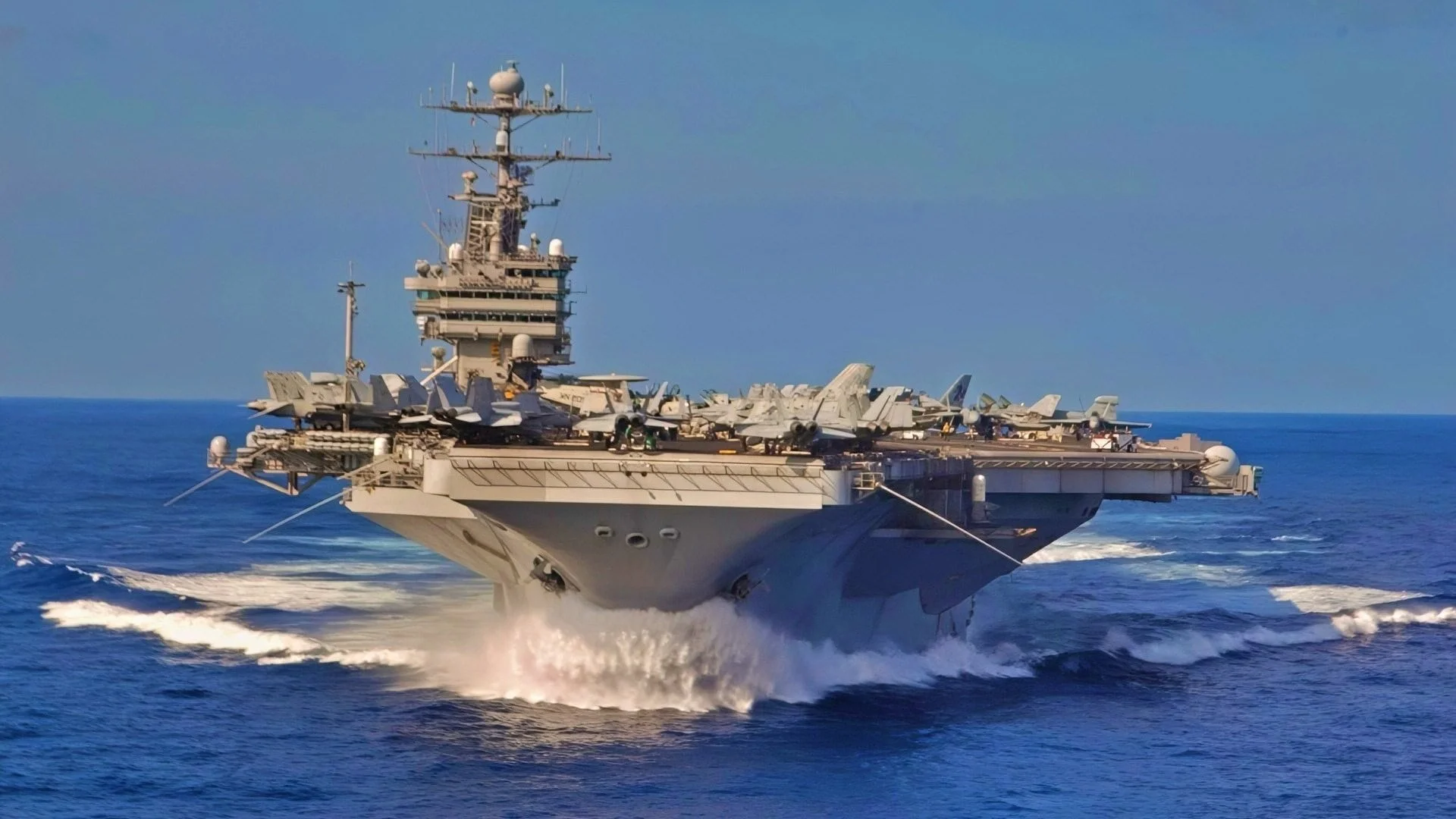
The USS John C. Stennis has experienced significant delays in its refueling and complex overhaul, originally scheduled for completion in August 2025 but now projected for October 2026—a delay of nearly 14 months. Rear Adm. Casey Moton attributed these setbacks to both workforce and material shortages exacerbated by COVID-19 restrictions, alongside additional work identified during ship assessments.
Maintenance Across the Fleet
A December 2025 report from the Congressional Budget Office (CBO) highlighted ongoing maintenance issues not only for aircraft carriers but also for destroyers and amphibious ships. This report noted that total overhaul durations often exceeded initial schedules, with maintenance events running 20% to 100% longer than anticipated. The CBO project indicates that ships are spending more time out of commission for maintenance than previously expected.
International Context
In contrast to the U.S. Navy’s documented maintenance challenges, information regarding China’s naval maintenance is less transparent, primarily derived from satellite imagery and media reports. The PLA Navy’s carriers, Liaoning and Shandong, historically underwent major maintenance at Dalian but recently moved the Shandong for maintenance at Yulin Naval Base, marking a shift in where major work is conducted.
Both China’s Liaoning and new carrier Fujian are conventionally powered and do not require the extensive refueling overhauls that impact the U.S. Navy’s operational readiness.
Conclusion
While one navy’s delays in maintenance are publicly documented and analyzed, the other operates with less visibility on its scheduling and operational timelines. As both forces navigate their respective capacities and challenges, the implications for global naval power dynamics remain significant.
Sources: GAO-20-588, Navy Shipyards (August 2020); USNI News, June 2024; Stars and Stripes, March 2026; CBO, Navy ship maintenance (December 2025).









Discussion about this post