










By Dr. Isaac Newton
News Americas Now, NY, NY, Fri. Nov. 6, 2026:
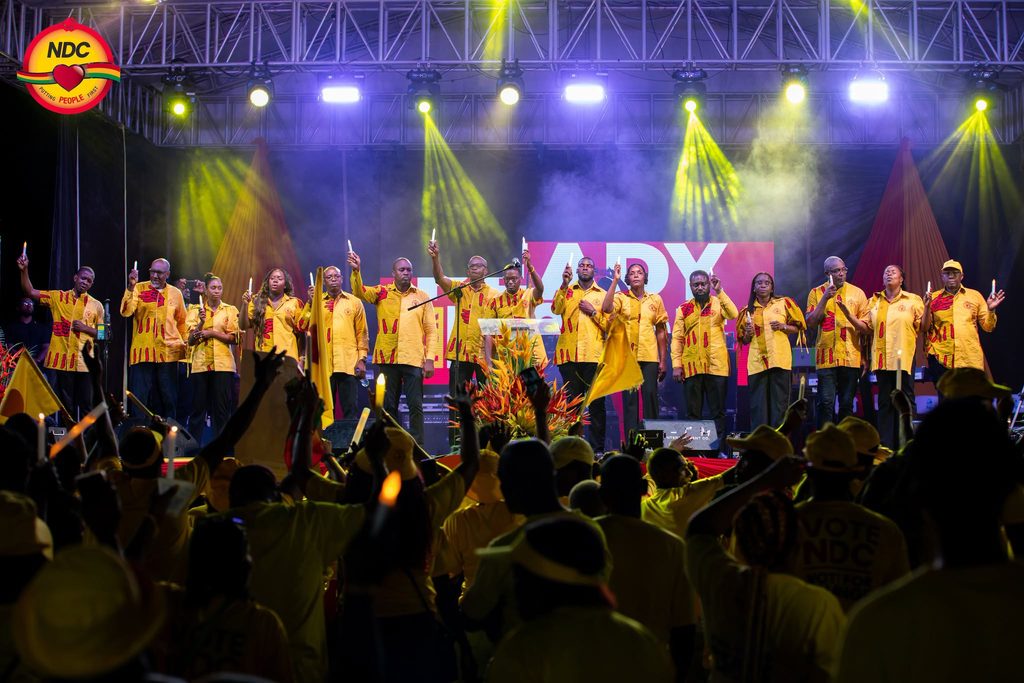
The recent elections in Grenada unfolded with a stunning outcome as Prime Minister Dickon Mitchell’s National Democratic Congress (NDC) captured 14 out of 15 parliamentary seats. This landslide victory leaves the New National Party (NNP) with a mere single seat. The NDC garnered around 61% of the popular vote, while the NNP received approximately 36.8%, translating to over 22,500 voters supporting the latter.
While one party enjoys almost total parliamentary power, it’s crucial to note that over a third of voters opted for a different choice. In a constituency-based electoral system, such dynamics raise significant responsibilities. The governing party is obligated to take into account the interests of these voters, fortify independent institutions, and ensure tangible improvements in citizens’ lives. Meanwhile, the opposition must remain a representative voice for its supporters.
NNP Analysis
For the NNP, the path to recovery necessitates a candid evaluation of its electoral defeat. A thorough independent review should probe into aspects such as constituency performance, candidate selection, voter engagement, and campaign effectiveness. Rebuilding community ties, fostering younger leadership, enhancing women’s roles, and proposing credible policies in key areas such as employment and education will be essential. The more than 22,500 voters who supported the NNP deserve meaningful representation. Historical loyalty is not a substitute for present-day credibility.
Likewise, the NDC must establish clear development targets, issue regular updates on progress, enhance parliamentary oversight, and ensure that its significant majority translates into accountability rather than complacency. Both parties need to recognize that political backing is earned continually. The NNP ought to examine the reasons behind the loss of public trust, while the NDC must demonstrate that it is deserving of the confidence placed in it by the electorate.
Key Lessons for the Region
Two vital lessons emerge for neighboring nations, such as St. Kitts and Nevis and Dominica, as they prepare for upcoming elections. First, governing parties must understand that electoral success signifies renewable public trust rather than a permanent entitlement to power. Core issues such as the cost of living, public services, and equitable development will continue to influence citizen assessments.
Second, opposition parties should cultivate viable alternatives well ahead of electoral campaigns. Building strong grassroots organizations, identifying capable candidates, and maintaining active public dialogue require significant lead time. St. Kitts and Nevis must also accommodate the distinct needs of its two islands, whereas Dominica should focus on democratic participation and institutional accountability.
Grenada’s situation provides an important opportunity for introspection within the Caribbean. It highlights that while governments may change, the institutions they leave behind and the dignity they secure for future generations endure. Elections determine who wields power, but it is the quality of leadership that ultimately shapes the legacy that follows.
Editor’s Note: Dr. Isaac Newton is a recognized authority on leadership and governance, with an extensive educational background that includes prestigious institutions. His writings focus on institutional excellence and human development.
YOU MAY ALSO LIKE: Forty-Five And Free, But Are We? Antigua and Barbuda at 45: The Promise of Renaissance








Discussion about this post