









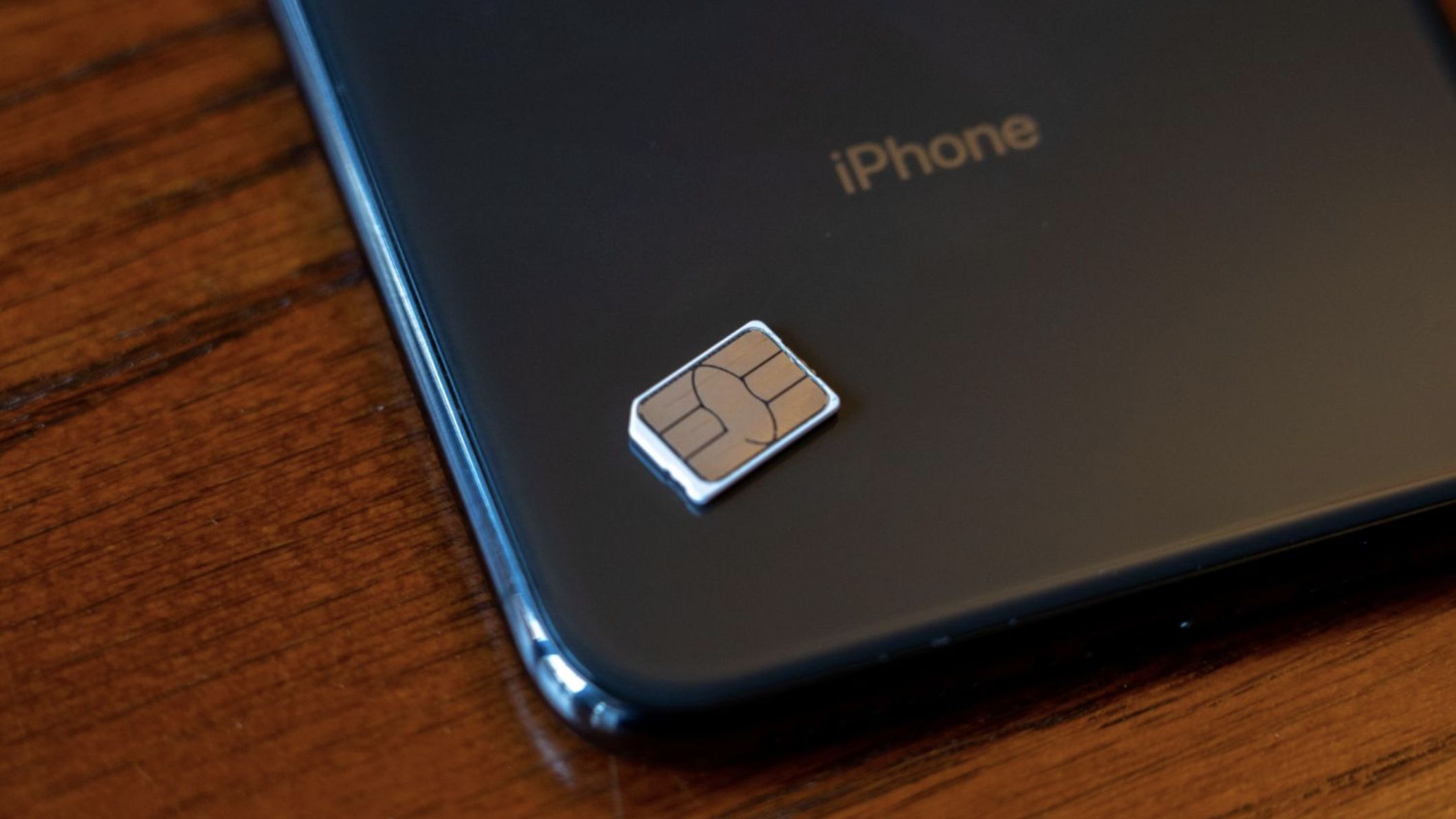
iPhone 16 Models in the US Abandon SIM Card Tray for eSIM Technology
The latest iPhone 16 models purchased in the United States will feature a significant design change: the absence of a SIM card tray. Instead, users will be required to utilize eSIM technology, a shift that encapsulates Apple’s growing preference for digital solutions. However, iPhone 16 units sold outside the U.S. will still include the traditional SIM tray.
This transition towards a SIM-less design has been in progress since the iPhone 14, with Apple gradually nudging the U.S. market towards adopting eSIMs. Unlike their U.S. counterparts, the global versions of the iPhone 16 still maintain a SIM card slot, further distinguishing the two models. The diversity in design reflects usage patterns, as many countries have successfully implemented eSIM technology. For instance, eSIM functionality has been available in the UK since 2020, even for devices that still support traditional SIM cards.
Differences Between U.S. and International Models
In addition to the SIM tray omission, U.S. iPhone 16 models also differ by lacking support for 5G mmWave technology. Although this feature promises exceptionally high download speeds, it requires users to be in close proximity to 5G towers, making it less practical in everyday scenarios. The absence of this functionality in international models raises questions about Apple’s focus on U.S. specifications, especially considering the mixed reception of 5G mmWave.
The Advantages of eSIM Technology
While the removal of the SIM card tray may seem inconvenient initially, it offers several benefits to iPhone users. Notably, devices equipped with eSIM can host up to eight different numbers, allowing for diverse network support on a single device. This feature is especially advantageous for frequent travelers or those seeking to manage multiple phone numbers effortlessly. Users can switch networks without the hassle of removing a physical SIM card, eliminating concerns about losing the essential SIM ejector pin.
Moreover, the decision to eliminate the SIM card tray streamlines the manufacturing process for Apple, resulting in time and cost savings. It also enhances the device’s integrity by minimizing the risk of water and dust ingress through an additional port.
For consumers preferring traditional SIM cards, recent iPhone models that still feature SIM trays remain compatible with eSIMs, providing a versatile solution to meet varied user needs.









Discussion about this post