








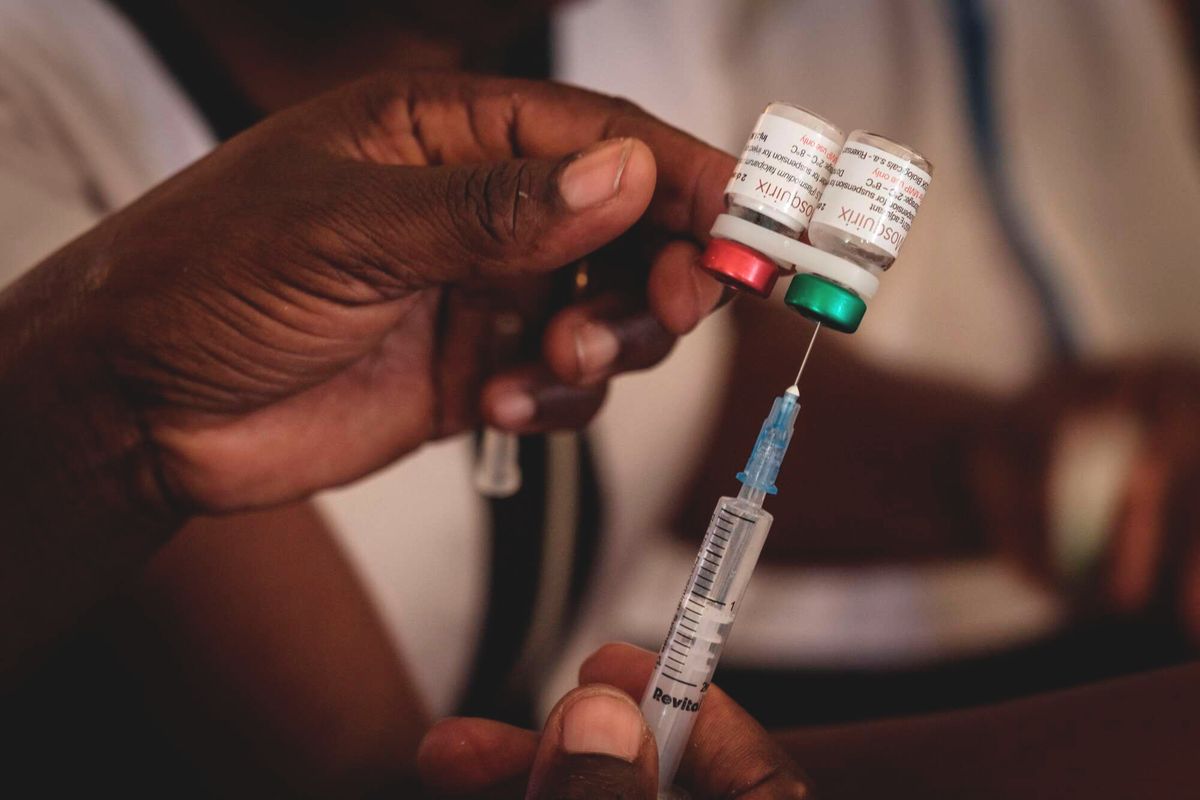
Imported Malaria Cases Rise in Central Kenya
Counties of Murang’a, Kirinyaga, and Nyeri are confronting challenges in their malaria eradication efforts due to an increase in imported malaria cases. This uptick comes at a time when local confirmed infections also show a rising trend.
Statistics Highlight Growing Concern
Recent data from the health sector indicates a significant rise in outpatient malaria cases in Murang’a, with a staggering 92 percent increase documented between 2021 and September 2026. Kirinyaga sees a 33 percent jump in cases, while Nyeri’s infections have risen by 12 percent.
Sources of Imported Infections Remain Unspecified
While imported malaria poses a growing threat, the latest reports do not clarify the specific origins of these infections within the three counties. Imported malaria typically occurs when an individual contracts the disease in one location but is diagnosed in another. Travelers can inadvertently bring the malaria parasite into regions with low transmission rates, where local mosquitoes can then spread the infection further.
The rise in imported cases is likely linked to travel from high-transmission regions, including areas surrounding Lake Victoria and the coastal regions.
Government Targets Malaria Elimination by 2027/28
Murang’a, Kirinyaga, and Nyeri, along with Laikipia and Nyandarua, are part of a governmental initiative aimed at achieving malaria elimination by the year 2027/28. Earlier in the year, Principal Secretary for Public Health Mary Muthoni noted that Kirinyaga has reported nearly zero Indigenous malaria cases in recent years, making it a key county in the Mt. Kenya region’s elimination strategy.
National Trend Shows Declining Malaria Cases
Despite the localized increases, national data reveals a downward trend in malaria cases. Confirmed outpatient cases dropped from 5.54 million in 2023 to 3.64 million in the year leading up to September 2026. The rate of confirmed cases per 1,000 people also saw a decline, falling from 104.4 to 64.2 during the same period.
Investigation Needed for Rising Cases
Even as the national figures improve, concern remains as 12 counties reported increases in confirmed malaria cases, in contrast to 35 counties that experienced reductions. The report indicated, “Most counties recorded fewer confirmed malaria cases than in 2021, but increases were concentrated in 12 counties.” Mandera exhibited the most substantial percentage rise, followed by Homa Bay and Murang’a, prompting calls for further investigation into the circumstances behind these increases.
Malaria Rates Comparatively Higher in Certain Counties
Mandera recorded the most significant percentage increase in confirmed malaria cases, soaring by 362 percent, with Homa Bay at 142 percent and Murang’a at 92 percent. The incidence of malaria rates per population also showed alarming trends, with six counties—Mandera, Homa Bay, Murang’a, Marsabit, Kirinyaga, and Turkana—reporting higher confirmed rates. In contrast, Wajir and Migori maintained stability, while other counties showed a decline.
Ongoing monitoring remains crucial to understand the local variations in malaria transmission effectively.








Discussion about this post