









Projected Surge in Stroke Survivors in the U.S. by 2050
A recent study indicates a significant rise in the number of stroke survivors in the United States over the next few decades. By the year 2050, it is estimated that nearly 20 million adults will have survived a stroke, more than doubling the 10 million documented in 2020, as reported by the American Heart Association in the journal Stroke.
Increasing Stroke Prevalence
The research highlights that the percentage of the U.S. population who have experienced a stroke is expected to climb from 3.9% in 2020 to 6.4% by 2050. To arrive at these projections, researchers analyzed data from the National Health and Nutrition Examination Survey, which was collected between January 2015 and March 2020. The study examined trends across various demographics, including age, gender, and racial and ethnic backgrounds.
Economic Implications of Rising Stroke Incidence
In conjunction with the analysis of health trends, the researchers reviewed medical expenses using data from the Medical Expenditure Panel Survey to estimate future healthcare costs associated with stroke care. The findings forecast that stroke-related expenses for adults aged 45 to 64 could exceed $100 billion annually by 2050.
Among younger adults aged 20 to 44, the financial burden is projected to rise dramatically, with annual costs soaring from $7.9 billion in 2020 to an astounding $84.4 billion in the coming years.
Expert Insights on the Findings
Dr. Alfred Joshua, a board-certified emergency physician and former chief medical officer in California, commented on the implications of the study, noting that the anticipated increase is reflective of an aging population coupled with advancements in emergency medical care. “The focus should be on how many individuals will be living after a stroke,” he stated. “As stroke risk escalates with age, improved treatment options allow more people to survive. These trends can lead to a higher number of stroke survivors even as the age-adjusted risk of experiencing a first stroke decreases.”
Health Risks Among Younger Adults
Dr. Joshua emphasized that conditions such as hypertension, obesity, and diabetes are becoming more prevalent at younger ages, contributing to an increased risk of stroke. The repercussions of a stroke in younger individuals extend beyond the initial hospital visit, often requiring extensive rehabilitation.
“The hospital stay is just the beginning,” Dr. Joshua explained. “Patients may require months of rehabilitation, and issues related to speech, movement, or memory can affect their ability to return to work.”
Preventive Measures for Health Maintenance
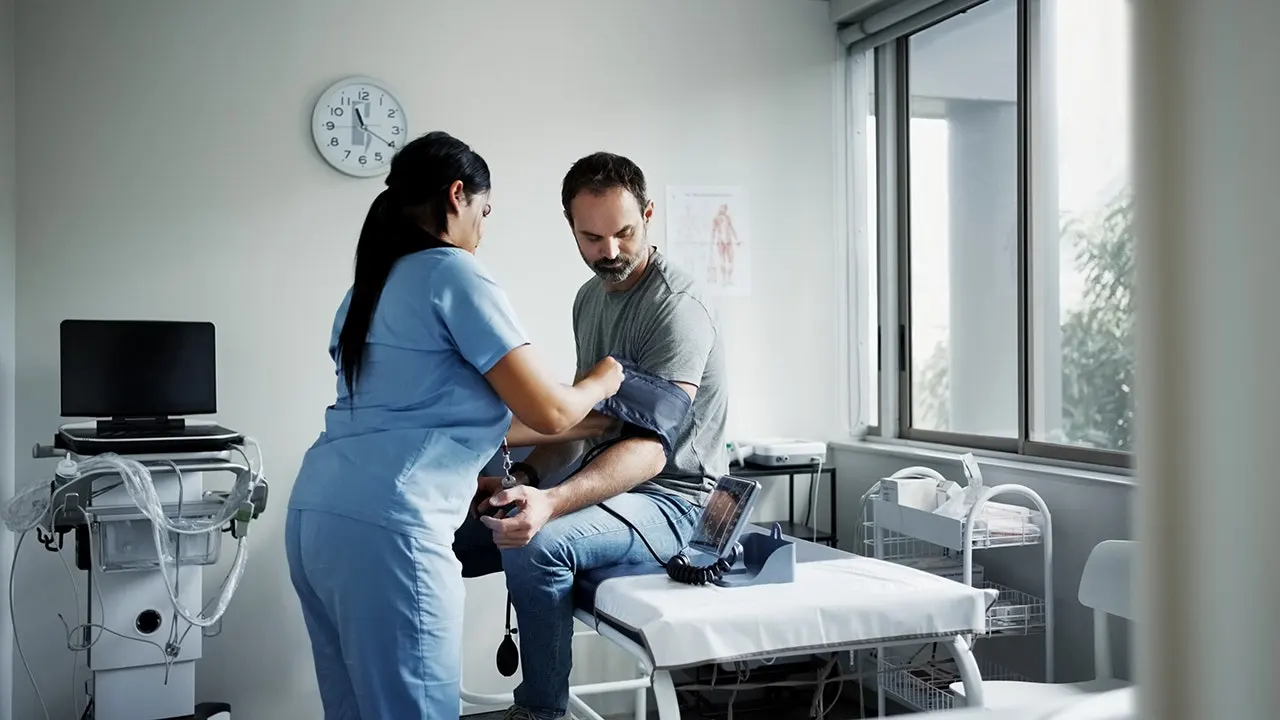
To mitigate stroke risks before they manifest, Dr. Joshua advised that individuals should start monitoring critical health metrics in their 20s and 30s rather than waiting until they reach middle age. “Begin with regular blood pressure checks, even if you feel fine, and consult your primary care provider about appropriate times for cholesterol and blood sugar assessments,” he recommended. Additionally, he encouraged individuals to seek support for quitting smoking and to incorporate regular physical activity into their routines, such as brisk walking for 30 minutes at least five days a week.
Limitations of the Study
Although the research provides valuable insights, the authors noted limitations in their predictions. The estimates are based on national health surveys conducted up until early 2020, which means actual numbers may vary as healthcare practices, habits, and preventive measures evolve over time. Moreover, the study relies on historical data rather than tracking real patient outcomes, suggesting that future advancements in treatment could alter the projected figures.
Conclusion
As the U.S. braces for a significant increase in stroke survivors, the healthcare community is urged to prioritize preventative measures and health education, particularly among younger populations, to help mitigate this impending healthcare challenge.










Discussion about this post