









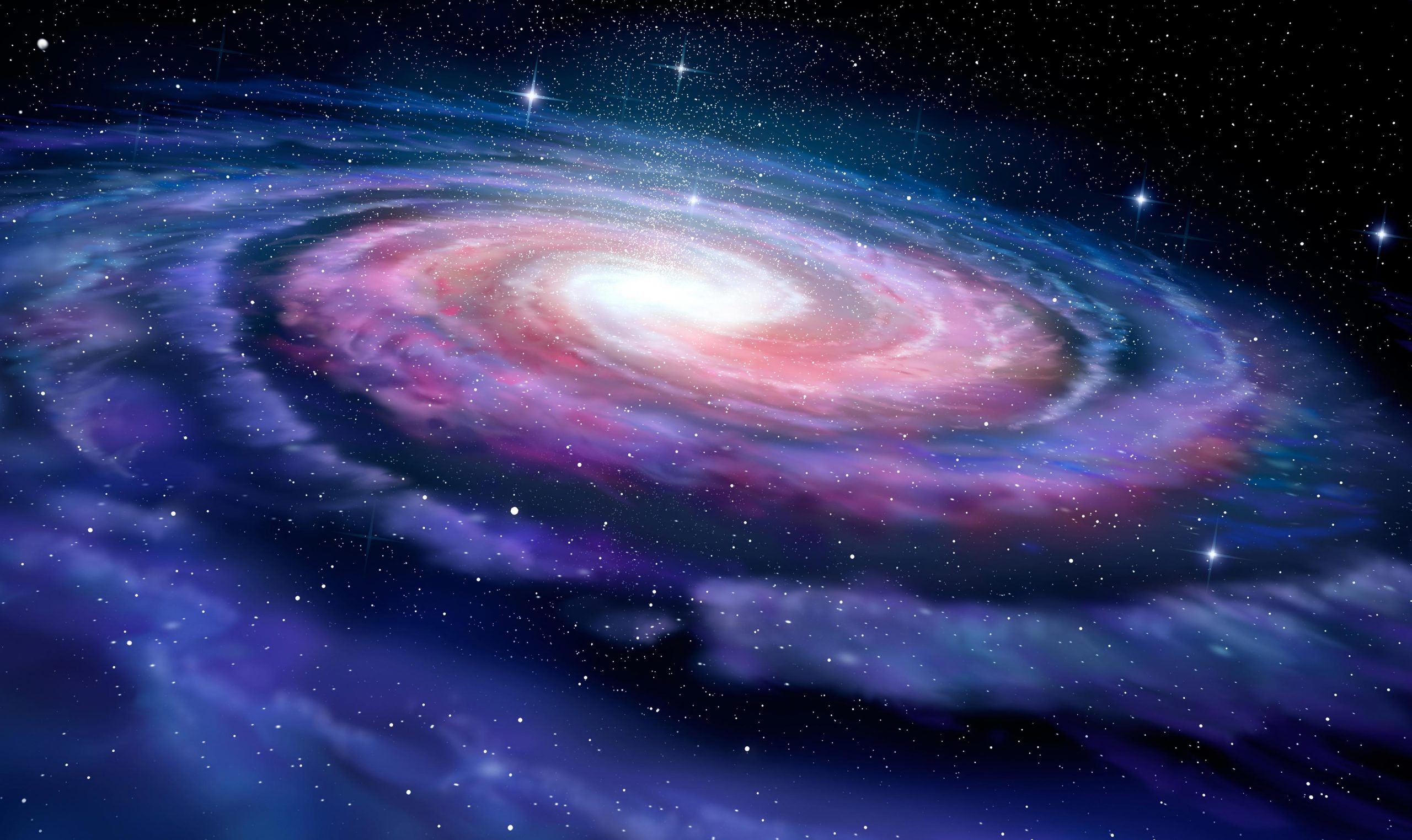
The first generation of stars fundamentally changed the universe by fusing simple elements like hydrogen and helium into more complex ones within their cores, scattering these elements across space upon their death—elements that are now part of the Earth and living beings. Recently, scientists discovered a second-generation star from another galaxy, offering unique insights into the early elemental formation processes in galaxies beyond the Milky Way.
New hints about the origins of the universe’s elements have been revealed by stars from the Large Magellanic Cloud.
The universe was forever changed by the first generation of stars. Within their cores, basic hydrogen and helium fused into a diverse array of elements. When these stars met their end, they exploded, scattering these new elements throughout the cosmos. The iron in your veins, the calcium in your teeth, and the sodium powering your thoughts were all born in the heart of a long-dead star.
No one has been able to find one of those first generation of stars, but scientists have announced a unique finding: a star from the second generation that originally formed in a different galaxy from ours.
“This star provides a unique window into the very early element-forming process in galaxies other than our own,” said Anirudh Chiti, a University of Chicago postdoctoral fellow and first author on a paper announcing the findings. “We have built up an idea of the how these stars that were chemically enriched by the first stars look like in the 
The Large Magellanic Cloud, a galaxy that fell into ours billions of years ago, could help reveal how the universe evolved in other regions. Above, images of the Cloud taken in infrared light. Credit: NASA/JPL
It’s hard work, because even the second generation of stars is now incredibly ancient and rare. Most stars in the universe, including our own sun, are the result of tens to thousands of generations, building up more and more heavy elements each time. “Maybe fewer than 1 in 100,000 stars in the Milky Way is one of these second-gen stars,” he said. “You really are fishing needles out of haystacks.”
But it’s worth it to get snapshots of what the universe looked like back in time. “In their outer layers, these stars preserve the elements near where they formed,” he explained. “If you can find a very old star and get its chemical composition, you can understand what the chemical composition of the universe was like where that star formed, billions of years ago.”
An intriguing oddity
For this study, Chiti and his colleagues aimed their telescopes at an unusual target: the stars that make up the Large Magellanic Cloud.
The Large Magellanic Cloud is a bright swath of stars visible to the naked eye in the Southern Hemisphere. We now think it was once a separate galaxy that was captured by the Milky Way’s gravity just a few billion years ago. This makes it particularly interesting because its oldest stars were formed outside the Milky Way—giving astronomers a chance to learn about whether conditions in the early universe all looked the same, or were different in other places.

The Magellan Telescopes at the Las Campanas Observatory in Chile, which the scientists used to map the elemental profile of the ancient stars. Credit: Carnegie Institution for Science
The scientists searched for evidence of these particularly ancient stars in the Large Magellanic Cloud and cataloged ten of them, first with the DOI: 10.1038/s41550-024-02223-w








Discussion about this post