









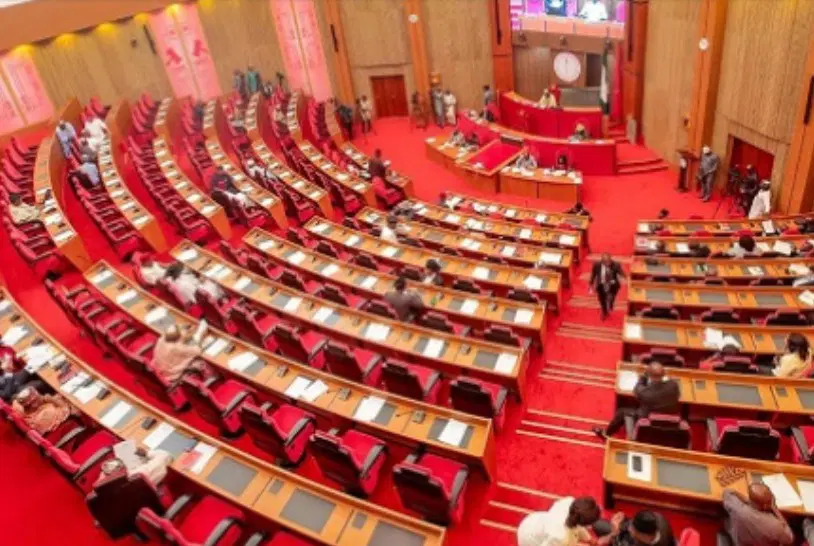
Senate Raises Alarm Over Domestic LPG Supply Shortage
By Henry Umoru
ABUJA — The Nigerian Senate has expressed significant concerns regarding the insufficient supply of Liquefied Petroleum Gas (LPG) to the domestic market, cautioning that this deficit could hinder efforts to lower cooking gas prices in the country.
Stakeholder Meeting Highlights Supply Challenges
The Senate Committee on Gas Resources, led by Senator Jarigbe Jarigbe (APC, Cross River North), voiced these concerns during a meeting with stakeholders from the gas sector on Thursday. The session, held at the National Assembly in Abuja, aimed to review the current state of LPG availability, export volumes, and revenue remittances associated with Nigeria’s gas sector.
Government Goals and Domestic Supply Needs
Senator Jarigbe emphasized that the current situation contradicts the objectives of Presidential Executive Order 9, which was enacted by President Bola Tinubu on February 13, 2026. This order aims to enhance oil and gas revenue remittances to the Federation Account while underscoring the necessity for adequate domestic gas supply to alleviate the financial strain on Nigerian citizens.
“LPG must be adequately supplied to the domestic market for the benefit of the average Nigerian, as intended by Executive Order 9,” Jarigbe stated, highlighting the need to alleviate the burden of high gas prices on consumers.
Investigating Supply Deficiencies
Following the meeting, Senator Jarigbe reaffirmed the committee’s commitment to investigating the reasons behind the LPG supply shortfall and working towards reducing cooking gas prices. “We are dedicated to addressing this issue for our citizens, and we will ensure that prices decrease as supply meets demand,” he asserted.
Industry representatives attributed the export of LPG to the specific ratio of propane to butane in the product. However, Jarigbe proposed that this ratio could be adjusted through blending to increase the quantity of butane for domestic consumption.
Customs Service Reports on LPG Exports
During the gathering, Deputy Comptroller-General of the Nigeria Customs Service, Caroline Kemen Niagwan, provided an overview of LPG export statistics. She reported that Nigeria exported 190.8 metric tonnes of LPG in 2024 and 32.8 metric tonnes in 2025, totaling 223.699 metric tonnes over the two-year period.
Niagwan noted the absence of records for LPG exports at Escravos in 2026, explaining that exporters must obtain clearance certificates from the Federal Ministry of Industry, Trade and Investment and register their declarations through the Customs Service’s automated system.
Industry Engagement for Domestic Supply
Additionally, a representative from the Nigerian Upstream Petroleum Regulatory Commission, Enorense Amadasu, stated that the offshore facility was initially designed to facilitate LPG exportation. He revealed that discussions are ongoing to redirect some LPG supplies to the domestic market, following a public request from Chevron in 2024 for Nigerian LPG off-takers to explore potential arrangements.
Commitment to Legislative Oversight
Senator Aniekan Bassey (APC, Akwa Ibom North-East), another committee member, highlighted the importance of the hearing in addressing issues related to accountability, regulation, and the overall management of Nigeria’s petroleum resources. He reiterated the committee’s commitment to legislative actions aimed at enhancing transparency and strengthening institutional accountability to advance national economic interests.
The Senate Committee plans to continue its discussions with stakeholders next Tuesday, focusing on bridging the domestic LPG supply gap, improving export revenue remittances, and ensuring a steady availability of cooking gas throughout the country.






Discussion about this post