
• Home
  • Insight
  • Blog
  • Business
  • Entertainment
  • Health
  • Politics
  • Shop
    • Gift Shop
    • Value Shop
    • Store
    • Bargain Shop
    • Discount
  • Sports
  • Tech
  • Travel
  • USA
  • Video
  • World
    • Asia
    • Africa
    • South America
    • North America
    • Europe
    • Oceania
Thursday, July 30, 2026
No Result
View All Result
Subscribe Now
  • Home
  • Insight
  • Blog
  • Business
  • Entertainment
  • Health
  • Politics
  • Shop
    • Gift Shop
    • Value Shop
    • Store
    • Bargain Shop
    • Discount
  • Sports
  • Tech
  • Travel
  • USA
    TX Rep. Brandon Gill Mocks James Talarico Over Fauci Action Figure Post

    TX Rep. Brandon Gill Mocks James Talarico Over Fauci Action Figure Post

    NBA players are ‘being taught’ to flop

    NBA players are ‘being taught’ to flop

    Industry was warned for years about chemical ‘runaway’ dangers. Then came near-catastrophe in O.C.

    Industry was warned for years about chemical ‘runaway’ dangers. Then came near-catastrophe in O.C.

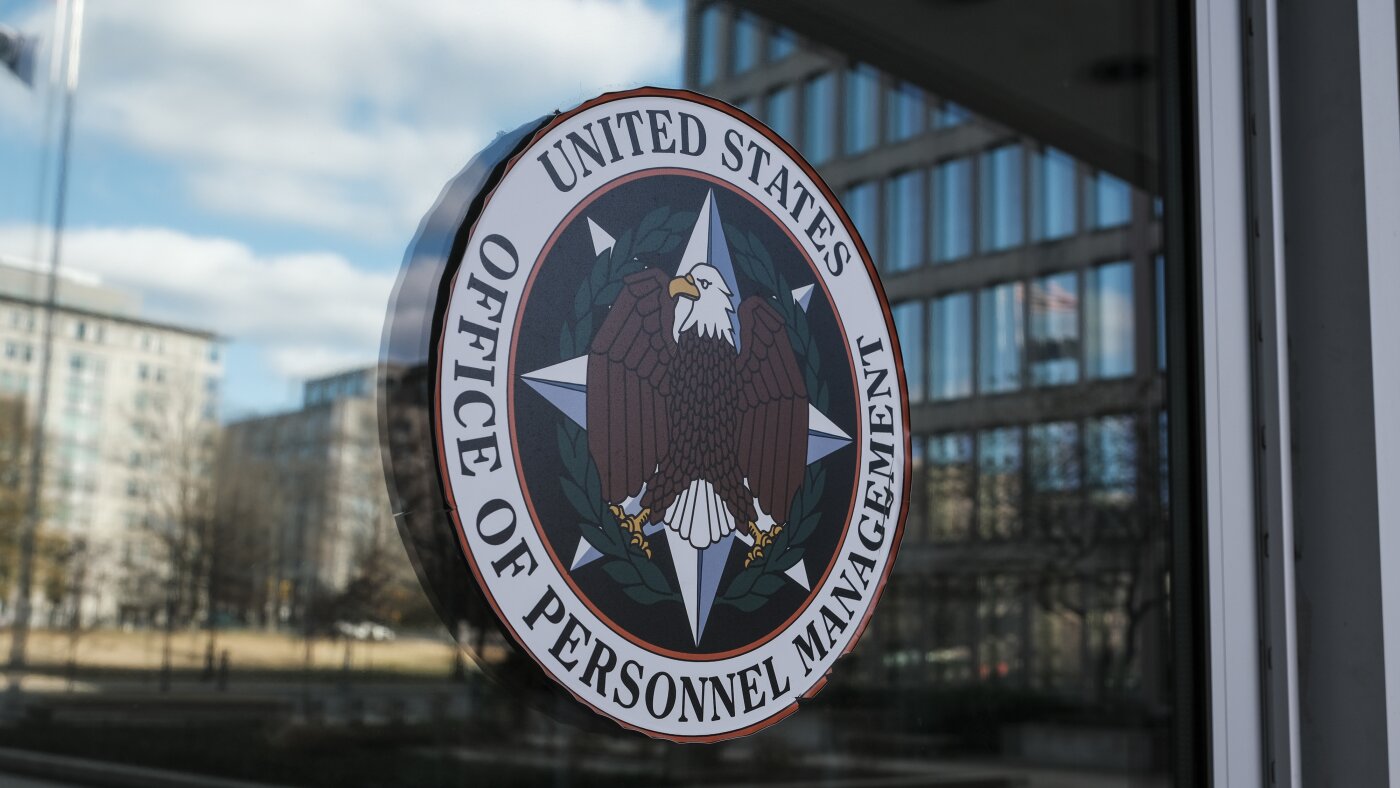
    Trump administration seeks government-wide NDAs to stop leaks : NPR

    Trump administration seeks government-wide NDAs to stop leaks : NPR

    Dog discharges shotgun inside truck, striking woman at Nebraska traffic light

    Dog discharges shotgun inside truck, striking woman at Nebraska traffic light

    Toshifumi Suzuki, Japan’s ‘God’ of Convenience Stores, Dies at 93

    Toshifumi Suzuki, Japan’s ‘God’ of Convenience Stores, Dies at 93

     Judge Sanctioned CoreCivic for Destroying Video in ICE Death Suit

     Judge Sanctioned CoreCivic for Destroying Video in ICE Death Suit

    Suspect dead after opening fire near White House security checkpoint, Secret Service says

    Suspect dead after opening fire near White House security checkpoint, Secret Service says

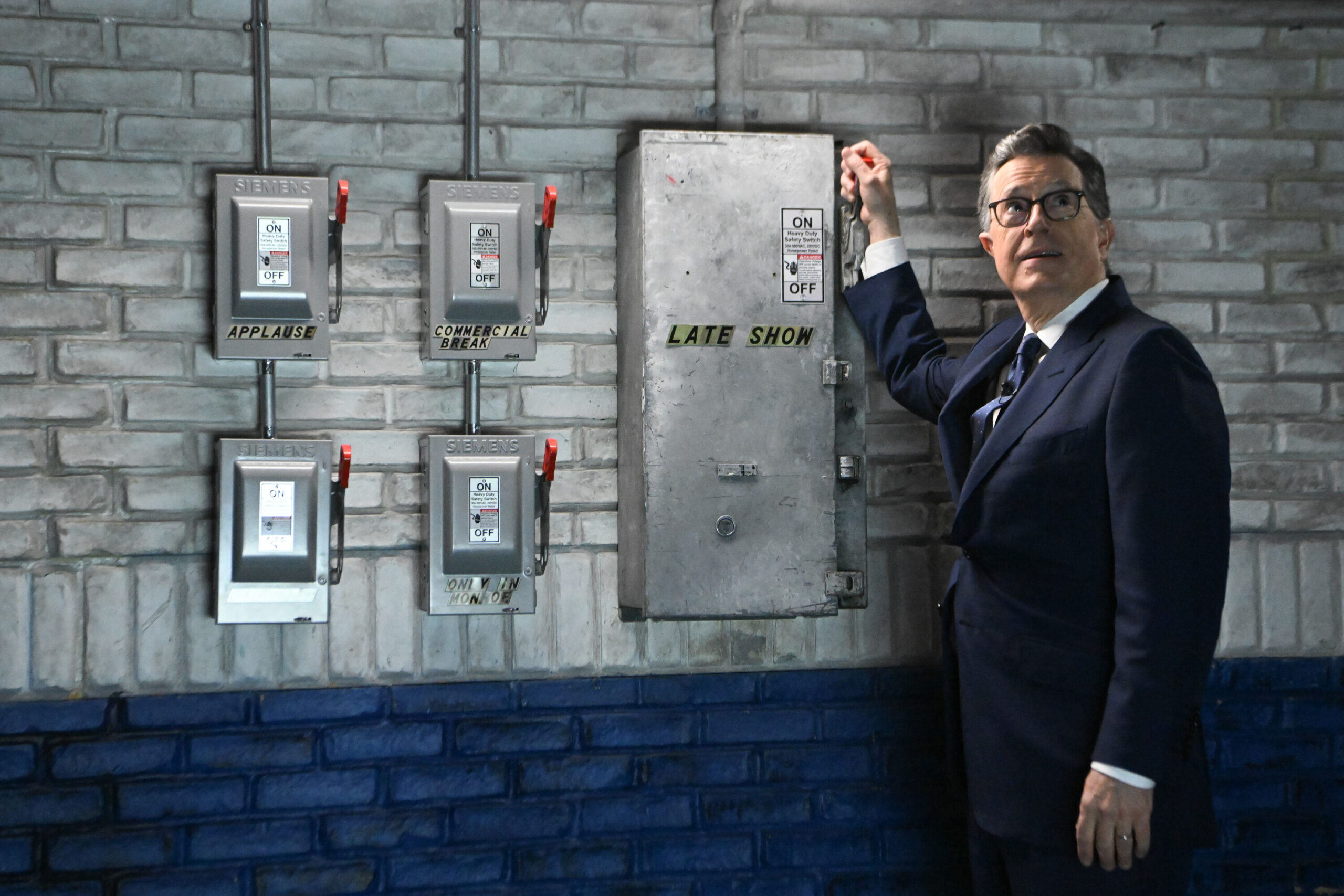
    Trump trashes Colbert’s high-rated finale as “no ratings”

    Trump trashes Colbert’s high-rated finale as “no ratings”

  • Video
  • World
    • Asia
    • Africa
    • South America
    • North America
    • Europe
    • Oceania
The Insight Post
  • Home
  • Insight
  • Blog
  • Business
  • Entertainment
  • Health
  • Politics
  • Shop
    • Gift Shop
    • Value Shop
    • Store
    • Bargain Shop
    • Discount
  • Sports
  • Tech
  • Travel
  • USA
    TX Rep. Brandon Gill Mocks James Talarico Over Fauci Action Figure Post

    TX Rep. Brandon Gill Mocks James Talarico Over Fauci Action Figure Post

    NBA players are ‘being taught’ to flop

    NBA players are ‘being taught’ to flop

    Industry was warned for years about chemical ‘runaway’ dangers. Then came near-catastrophe in O.C.

    Industry was warned for years about chemical ‘runaway’ dangers. Then came near-catastrophe in O.C.

    Trump administration seeks government-wide NDAs to stop leaks : NPR

    Trump administration seeks government-wide NDAs to stop leaks : NPR

    Dog discharges shotgun inside truck, striking woman at Nebraska traffic light

    Dog discharges shotgun inside truck, striking woman at Nebraska traffic light

    Toshifumi Suzuki, Japan’s ‘God’ of Convenience Stores, Dies at 93

    Toshifumi Suzuki, Japan’s ‘God’ of Convenience Stores, Dies at 93

     Judge Sanctioned CoreCivic for Destroying Video in ICE Death Suit

     Judge Sanctioned CoreCivic for Destroying Video in ICE Death Suit

    Suspect dead after opening fire near White House security checkpoint, Secret Service says

    Suspect dead after opening fire near White House security checkpoint, Secret Service says

    Trump trashes Colbert’s high-rated finale as “no ratings”

    Trump trashes Colbert’s high-rated finale as “no ratings”

  • Video
  • World
    • Asia
    • Africa
    • South America
    • North America
    • Europe
    • Oceania
No Result
View All Result
No Result
View All Result
Home South Africa

South Africa’s transition a warning for a two-state agreement for Palestine – The Mail & Guardian

by Theinsightpost
July 12, 2025
in South Africa
0 0
0
South Africa’s transition a warning for a two-state agreement for Palestine – The Mail & Guardian

South Africa may have attained political emancipation but economically the chains largely remain. (File photo)

South Africa is the most unequal society in the world. In one suburb, rows of tidy houses with manicured lawns and sparkling blue swimming pools portray a life of comfort and affluence. Yet just a short distance away, sprawling informal settlements tell a starkly different story — clusters of makeshift shelters cobbled together from corrugated iron, plastic sheeting and cardboard. These fragile structures offer little protection against the Cape’s harsh winters. For thousands of South Africans, however, this is the daily reality — marked by inadequate access to clean water, electricity and sanitation.

Under apartheid, black South Africans were forcibly removed to remote Bantustans and systematically barred from white urban areas through segregation laws and pass systems. After apartheid formally ended, millions migrated to cities like Johannesburg and Cape Town in search of work and a better future. But the post-apartheid state — hamstrung by the economic compromises made during the political transition — was ill-equipped to accommodate this wave of urban migration.

The result has been the persistence — and in some ways the deepening — of inequality, now often described as “economic apartheid”. Although a small black elite has joined the historically privileged white minority, the underlying economic structures have remained largely untouched. This continuity was no accident. During the early 1990s, national attention was focused on constitutional negotiations promising a non-racial democracy. In contrast, economic negotiations occurred quietly behind closed doors, with little public involvement or scrutiny.

In many ways, South Africa’s democracy was born in chains: politically emancipated, but economically constrained.

Though the National Party was prepared to relinquish political power, it secured key economic concessions that severely limited the ANC’s capacity to implement transformative reforms. Fundamental decisions regarding land redistribution, nationalisation and economic justice were effectively placed beyond the reach of the new democratic government — like land redistribution and economic restructuring. One of the most enduring constraints was section 25 of the 1996 Constitution, known as the “property clause”.

While this section affirms the state’s duty to enable equitable access to land, it also enshrines strong protections for private property. Expropriation is only permitted under narrow conditions: it must serve the public interest and be accompanied by compensation. In practice, this has meant that land reform could only proceed under a “willing buyer, willing seller” model — an approach that has been slow, prohibitively expensive and largely ineffective.

Despite widespread dispossession under colonialism and apartheid, landowners remain shielded by the Constitution, and courts have often interpreted “just and equitable” compensation as close to full market value. This legal and financial framework has entrenched historic patterns of ownership, where the vast majority of arable land remains in white hands, and black South Africans continue to be economically marginalised.

This constitutional compromise sharply diverged from the vision articulated in the Freedom Charter of 1955 — a foundational document of the liberation movement. The Charter boldly declared, “The land shall be shared among those who work it,” and called for the nationalisation of banks, mines and industries. It imagined a South Africa in which economic justice accompanied political freedom. Yet during the democratic transition, these radical goals were abandoned in favour of neoliberal economic orthodoxy.

To compound matters, the new government inherited huge apartheid-era debt, which consumed much of the national budget. Resources that could have been used for free electricity, housing and public services were instead directed to debt repayment. Social spending was restricted by macroeconomic frameworks such as GEAR (Growth, Employment and Redistribution), which further narrowed the space for structural transformation.

These were not accidental omissions but strategic efforts to contain the radical potential of the liberation movement. Guided by the International Monetary Fund, World Bank and Western governments, the ANC was encouraged to adopt neoliberal economic policies, marketed as necessary for investor confidence and global integration.

The promised influx of international capital never materialised. Instead, inequality soared.

Turning to Palestine, if a one-state solution is ultimately realised — a vision I strongly support — there remains a real risk that democratic processes reflecting the will of the majority may be obstructed. As history has shown, dominant economic classes often “confuse, conquer and divide”, relying on co-optation, manipulation and bribery to maintain control. In this context, Israeli economic dominance could persist — or even expand — paralleling the enduring power structures seen in post-apartheid South Africa.

Nevertheless, it must be stated unequivocally: the two-state solution is not a path to justice. Borders do not resolve economic inequality. A two-state outcome would only entrench disparities, legitimising the vast gap between a first-world Israel and the humanitarian catastrophe in Gaza and the West Bank, driven by decades of Israeli land confiscation, resource theft and the denial of Palestinian rights. Moreover, statehood alone does not guarantee economic sovereignty or viability. Palestinians have long been expected to compromise their sovereignty in exchange for vague promises of peace or security. Under such an arrangement, true economic freedom would remain elusive.

The lessons of South Africa’s transition serve as a cautionary tale: political liberation without economic justice is a hollow victory. True freedom requires dismantling the structures of economic domination — not merely changing who holds political office. As Palestinians continue their struggle for liberation, it is essential that any future political arrangement be grounded in both justice and international law.

International legal frameworks such as the International Covenant on Economic, Social and Cultural Rights (ICESCR) affirm the right to adequate housing, food, water, education, and health — rights that cannot be realised under systems of structural inequality. Likewise, the right to self-determination, enshrined in Article 1 of both the ICESCR and the International Covenant on Civil and Political Rights, guarantees not just political independence, but also the right of all peoples to freely pursue their economic, social, and cultural development.

These principles must form the foundation of any post-apartheid vision in Palestine. The continued exploitation of Palestinian resources, the fragmentation of Palestinian territory, and the suffocating blockade on Gaza all constitute clear violations of international humanitarian and human rights law. Any political solution that fails to dismantle these economic structures and guarantee full Palestinian sovereignty — including control over borders, trade, and natural resources — falls short of the standard of justice required by international law.

A two-state solution that legitimises economic asymmetry would amount to the legalisation of injustice. If Palestinians are to achieve true liberation, it must be a liberation that is not only political, but deeply rooted in economic equality, sovereignty, and binding international legal standards. Anything less risks repeating the unfinished revolution of post-apartheid South Africa. If Palestinians are to achieve true liberation, it must go beyond flags and borders. It must be a freedom rooted in justice — economic, political and legal — otherwise, history will repeat itself, and apartheid will wear a new face.

Sõzarn Barday is a writer and attorney based in South Africa and has a particular interest in human rights within the Middle East. Opinions shared represent her individual perspective.

ShareTweetSend
Previous Post

Air India crash: Not easy to ‘accidentally’ cut off fuel switches, expert says

Next Post

U.S. citizen among 2 Palestinians killed by settlers in Israeli-occupied West Bank

Related News

UN rights chief hails Pope’s ‘timely’ AI appeal
South Africa

UN rights chief hails Pope’s ‘timely’ AI appeal

May 27, 2026
How to choose the right business travel agency – The Mail & Guardian
South Africa

How to choose the right business travel agency – The Mail & Guardian

May 27, 2026
BP fires chair over ‘serious’ concerns
South Africa

BP fires chair over ‘serious’ concerns

May 26, 2026
Jelly Express Is New, but Its Millionaire Wins Are Already Loud – The Mail & Guardian
South Africa

Jelly Express Is New, but Its Millionaire Wins Are Already Loud – The Mail & Guardian

May 26, 2026
Next Post
U.S. citizen among 2 Palestinians killed by settlers in Israeli-occupied West Bank

U.S. citizen among 2 Palestinians killed by settlers in Israeli-occupied West Bank

Discussion about this post

Subscribe To Our Newsletters

    Customer Support


    1251 Wilcrest Drive
    Houston, Texas
    77042 USA
    Call-832.795.1420
    e-mail – news@theinsightpost.com

    Subscribe To Our Newsletters

      Categories

      • Africa
      • Africa-East
      • African Sports
      • American Sports
      • Arts
      • Asia
      • Australia
      • Business
      • Business Asia
      • Business- Africa
      • Canada
      • Defense
      • Education
      • Egypt
      • Energy
      • Entertainment
      • Europe
      • European Soccer
      • Finance
      • Germany
      • Ghana
      • Health
      • Insight
      • International
      • Investing
      • Japan
      • Latest Headlines
      • Life & Living
      • Markets
      • Mobile
      • Movies
      • New Zealand
      • Nigeria
      • Politics
      • Scholarships
      • Science
      • South Africa
      • South America
      • Sports
      • Tech
      • Travel
      • UK
      • USA
      • Weather
      • World
      No Result
      View All Result

      Recent News

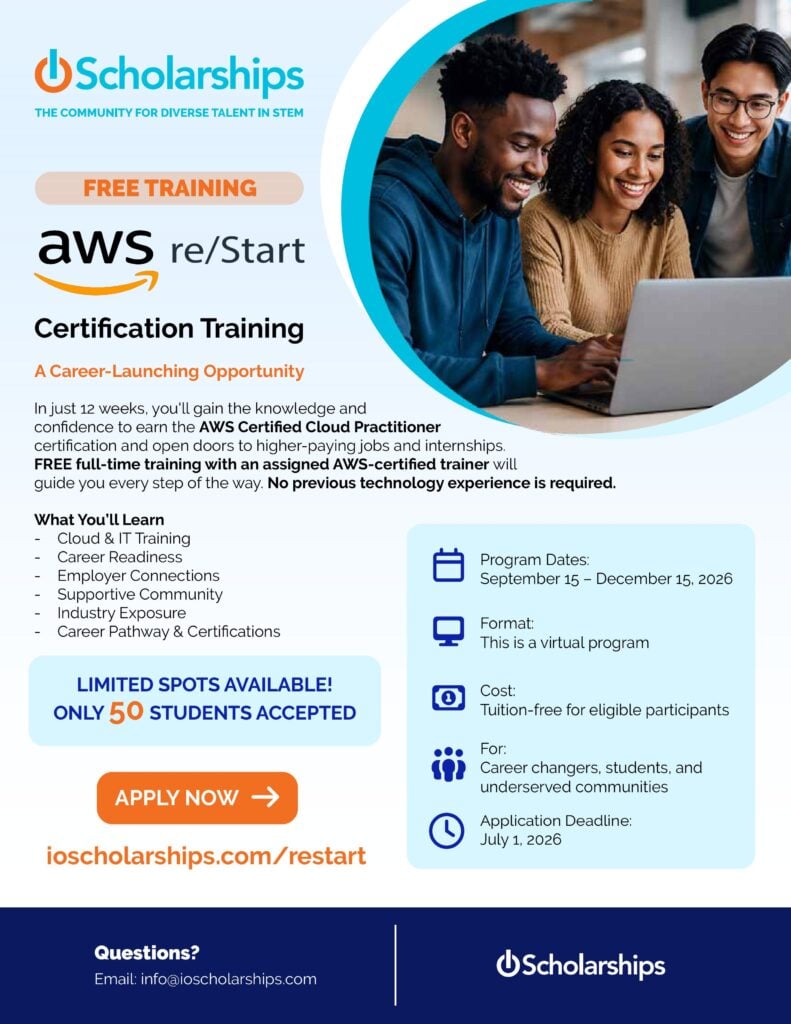
      Free Cloud Computing Course | AWS Re/Start Program 

      Free Cloud Computing Course | AWS Re/Start Program 

      July 30, 2026
      Thirty Years Later

      Thirty Years Later

      July 30, 2026
      Announcing Codemagic Patch: an open-source CodePush rebuild for React Native

      Announcing Codemagic Patch: an open-source CodePush rebuild for React Native

      July 30, 2026
      Following Expansion in China, Regional Private Equity Faces New Scrutiny in Southeast Asia – The Diplomat

      Following Expansion in China, Regional Private Equity Faces New Scrutiny in Southeast Asia – The Diplomat

      July 30, 2026
      • Home
      • Advertise With Us
      • About Us
      • Corporate
      • Consumer Rewards
      • Forum
      • Privacy Policy
      • Social Trends

      Theinsightpost ©2026 | All Rights Reserved. Theinsightpost is an Elnegy LLC company, registered in Texas, USA

      Welcome Back!

      Login to your account below

      Forgotten Password?

      Retrieve your password

      Please enter your username or email address to reset your password.

      Log In

      Add New Playlist

      We are using cookies to give you the best experience on our website.

      You can find out more about which cookies we are using or switch them off in .

      No Result
      View All Result
      • Home
      • Insight
      • Blog
      • Business
      • Entertainment
      • Health
      • Politics
      • Shop
        • Gift Shop
        • Value Shop
        • Store
        • Bargain Shop
        • Discount
      • Sports
      • Tech
      • Travel
      • USA
      • Video
      • World
        • Asia
        • Africa
        • South America
        • North America
        • Europe
        • Oceania

      Theinsightpost ©2026 | All Rights Reserved. Theinsightpost is an Elnegy LLC company, registered in Texas, USA

      The Insight Post
      Powered by  GDPR Cookie Compliance
      Privacy Overview

      This website uses cookies so that we can provide you with the best user experience possible. Cookie information is stored in your browser and performs functions such as recognising you when you return to our website and helping our team to understand which sections of the website you find most interesting and useful.

      Strictly Necessary Cookies

      Strictly Necessary Cookie should be enabled at all times so that we can save your preferences for cookie settings.

      Cookie Policy

      More information about our Cookie Policy