







Revolutionary Insights into Ant Behavior Without Leadership
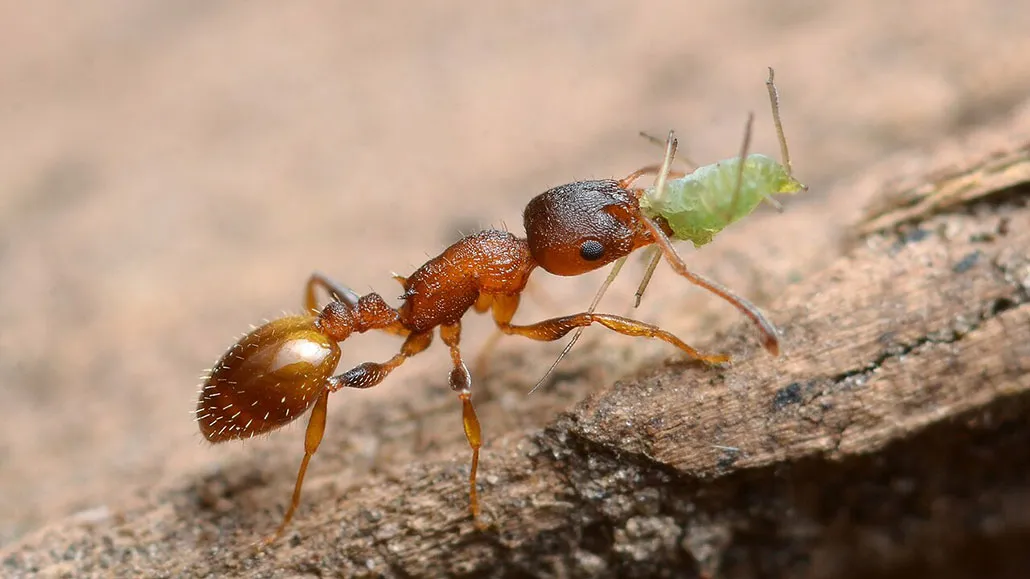
Recent research conducted by a team of biologists has unveiled groundbreaking information concerning the collective behavior of ant colonies, challenging the traditional perception of leadership in social insects. This study suggests that ants can function cohesively and effectively without a designated leader, relying instead on complex communication strategies.
Understanding Ant Collective Behavior
Ants are known for their remarkable ability to work together seamlessly. However, this new research reveals that their coordination stems from a decentralized system, where individual ants respond to chemical signals and environmental cues rather than directives from a central figure. The findings underscore the intricacies of ant interactions and their reliance on pheromones for communication.
The Role of Chemical Signals
Chemical signals, or pheromones, are crucial for ants, enabling them to convey messages to one another. These signals initiate various actions, contributing to the colony’s overall operation. The researchers employed computer models to simulate how these chemical communications lead to coordinated group behavior, further illustrating the absence of a hierarchical leadership structure.
Implications for Ecological Studies
This study not only enhances our understanding of ants but also has wider implications for ecological research. By analyzing how organisms can thrive without centralized leadership, scientists can gain insights into similar behaviors in other social species. These findings may revolutionize the way we approach ecological modeling and understanding biodiversity.
Conclusions and Future Research
The results of this research open new avenues for exploration in the fields of biology and ecology. Future studies may delve deeper into the mechanisms of communication among non-leader species, potentially revealing universal patterns of cooperation in nature. This evolving understanding of leadership dynamics challenges conventional beliefs and invites a reevaluation of social structures in various animal species.







Discussion about this post