









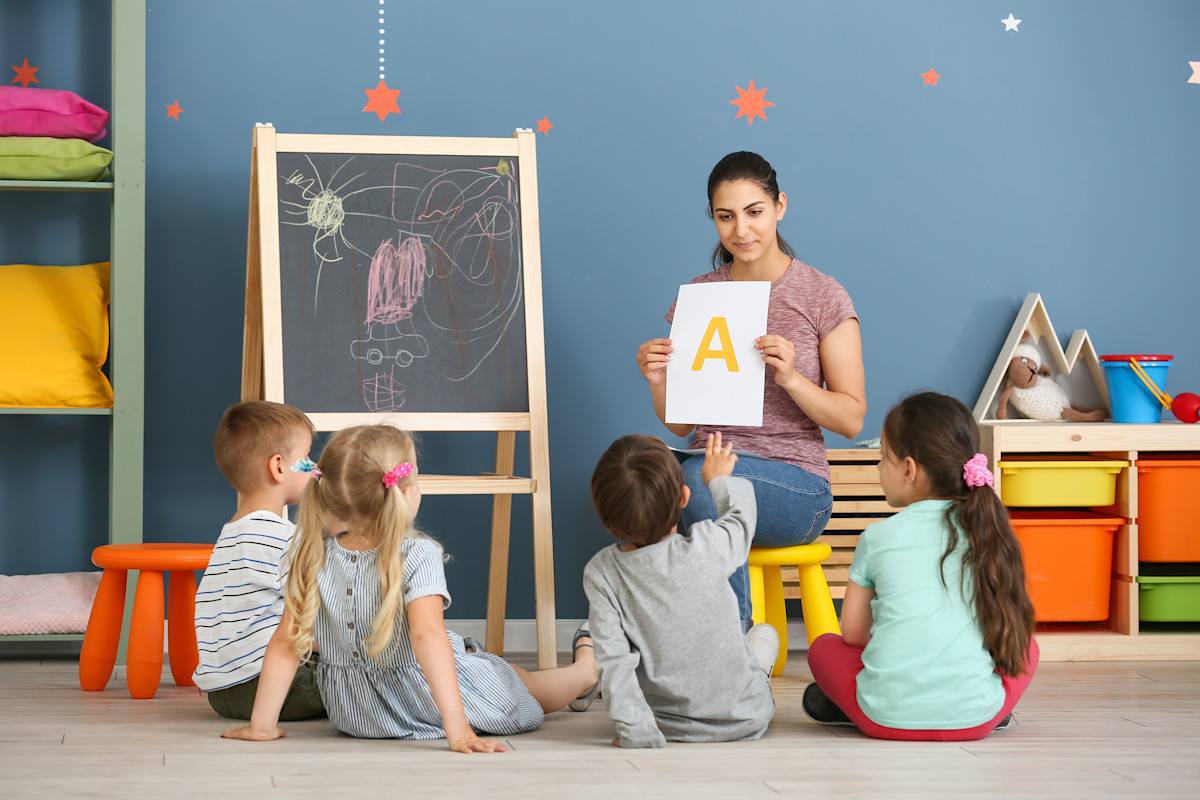
Acknowledging the crucial, yet often overlooked contributions of early educators, a recent discussion sheds light on how small, everyday actions can significantly influence a child’s sense of belonging in educational settings. This Thanksgiving week episode features two experts who emphasize the importance of these subtle gestures, both in the classroom and during the transition to kindergarten.
The Impact of Small Moments on Child Development
Caitlin Malloy, director of a school in Cambridge, Massachusetts, recently expressed her concerns regarding a proposed federal regulation mandating that Head Start programs conduct instruction solely in English. In her article for EdSurge, Malloy argues that such a rule could have detrimental effects on both educators and students. She fears that teachers might refrain from responding to children in their home languages, which could foster an environment of silence and disconnection. This, she notes, may contribute to educator burnout and high turnover rates.
Malloy illustrates her point with a memorable example involving a historic gold rooster that was removed from a nearby church. In a light-hearted exchange with a Portuguese-speaking girl, they compared how different languages express the sound a rooster makes, leading to shared laughter. Malloy refers to this interaction as “serve and return,” a concept supported by research from Harvard that links these back-and-forth exchanges to crucial brain development. She emphasizes that while data is important, the impact of these personal stories should not be underestimated.
Bridging the Gap to Kindergarten
David Jacobson, who heads the First 10 initiative at the Education Development Center, highlights the disconnect between early childhood education and K-12 systems. He notes that this gap often leads to a jarring transition for both children and their families when moving to kindergarten. Jacobson advocates for continuity in experiences, emphasizing the need for safe, stable, and interconnected educational pathways.
To facilitate smoother transitions, he proposes that schools view every child in their community as a future student. His model includes collaborative efforts between schools and early childhood programs, such as organizing a six-week play-and-learn series. This initiative encourages families to engage in reading, crafting, and opportunities to meet kindergarten teachers, addressing feelings of loneliness expressed by families prior to the program.
For districts unable to fully commit to such initiatives, Jacobson suggests starting small by connecting with early childhood programs that funnel students into their schools. Meeting with program directors and extending transition activities into the spring can help ease the shift rather than relying solely on a single orientation event.
To explore more about these insights, listen to the episode.
Referenced Articles in This Episode
“My Preschool Students Taught Me What Educators Lose in English-Only Programs” by Caitlin Malloy.
“Why the Jump to Kindergarten Is So Hard and How to Fix It” by Ira Apfel.







Discussion about this post