









Escalating Food Insecurity in North America
The global food crisis is increasingly manifesting in the United States and Canada, with alarming consequences for millions. As economic conditions worsen, a growing number of individuals find it challenging to secure adequate daily nutrition.
Surge in Food Prices Leading to Increased Hunger
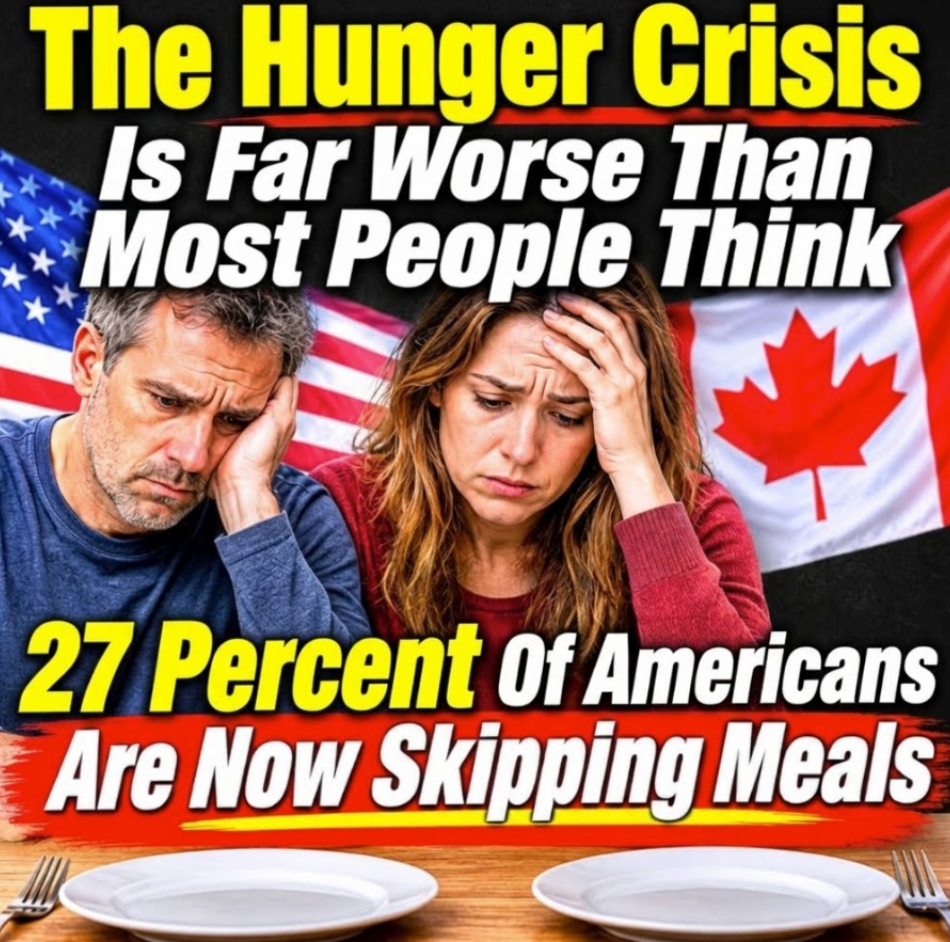
Recent statistics reveal that 27% of American adults are regularly skipping meals due to soaring food prices. This alarming trend comes as inflation continues to impact the cost of living, making trips to the grocery store a painful experience for many.
A survey conducted by Intuit Credit Karma shows that over one-quarter of those surveyed reported having to forgo meals or make sacrifices in other spending to afford groceries. The findings were based on responses from 2,011 adults gathered in early May. Among these, 28% admitted to postponing payment for essential bills, such as rent, to manage grocery costs. Additionally, about 15% have sought assistance from food banks.
Current USDA statistics indicate that approximately 41.2 million Americans receive food assistance monthly, with the average recipient receiving around $230.88.
Impact on Workplace Meal Habits
Lunch often takes priority in meal-skipping trends among the American workforce. A survey from ezCater found that 54% of full-time employees have skipped lunch at least once a week in 2026. This represents a notable rise over the past four years.
Robert Kaskel, vice president of people at ezCater, noted that inflation has significantly influenced employees’ eating habits, with many opting for budget-friendly options to cope with rising costs.
Struggles Among Service Industry Workers
The situation is particularly dire for hourly restaurant employees. A study revealed that 61% of these workers have skipped meals multiple times in the past month due to financial constraints. Given the persistently high prices in the food sector, the burden on this demographic is becoming increasingly heavy. Among those surveyed, 75% reported living paycheck to paycheck, rising to 83% among non-management roles.
The Canadian Context: Rising Meal Reductions
The crisis is also evident in Canada where food prices have surged, prompting 31% of Canadians to skip or reduce meals, an increase from 27% the previous year. Young adults, particularly those aged 18 to 34, are among the hardest hit, with 41% reporting cutbacks in meals.
Soaring Demand at Food Banks
The demand for food assistance is rising dramatically, with many food banks struggling to keep up. An NBC News survey of 48 major food banks across the U.S. found that nearly 75% reported an increase in demand over the past year. Conditions are severe, with almost half of Americans experiencing difficulty affording basic necessities such as food.
Implications of Job Cuts on Economic Stability
The approaching year of 2027 brings additional challenges, as corporate layoffs are increasingly prevalent. Disney, for instance, plans to eliminate several thousand jobs in an effort to reduce costs amidst ongoing economic pressures. As these layoffs continue, the stability of the middle class remains under threat, further exacerbating food insecurity.
Concluding Thoughts
The socioeconomic landscape in North America is evolving into one marked by stark food insecurity. As inflation persists and job security wavers, the number of individuals unable to afford basic meals could increase dramatically if immediate measures are not implemented.









Discussion about this post