









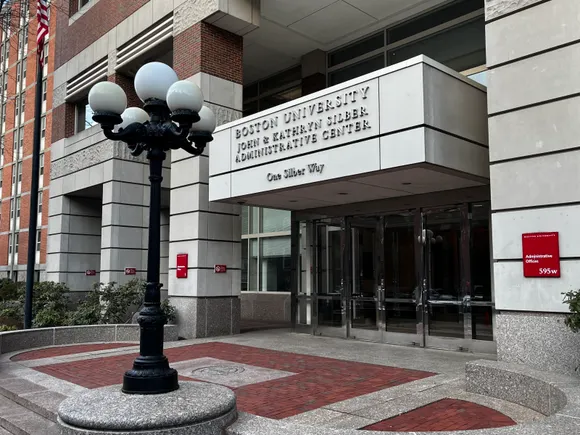
Boston University Faces Significant Budget Shortfall
Boston University has reported a revenue shortfall of $42 million against its budgeted projections for the fiscal year, as confirmed by Chief Financial Officer Nicole Tirella. This deficit primarily stems from declining tuition revenue, which accounts for nearly half of the university’s overall budget, while operational costs continue to escalate.
Need for Structural Reform
In light of this financial imbalance, Tirella remarked, “We cannot rely on one-time solutions like broad budget cuts or merit freeze to resolve this issue.” Instead, she emphasized the importance of implementing extensive, long-term changes to the university’s financial strategy.
Previous Cuts and Future Strategies
Boston University has already undertaken difficult measures, including the layoffs of 120 staff members alongside the elimination of an additional 120 vacancies in a bid to decrease expenditures by 5% in the prior fiscal year. Tirella stated, “Our previous cuts were effective in giving us time for thoughtful transformation,” indicating the university’s need for a deeper and more sustainable fiscal reform.
Chris Sedore, the Chief Transformation Officer at BU, revealed that the institution is exploring strategies to optimize its facilities and standardize operations to eliminate redundancies. He noted, “We are looking to make better use of our existing resources.”
Operational and Enrollment Insights
Manuel Cuevas-Trisán, Senior Vice President overseeing human resources, suggested that the university could enhance employee skillsets and promote internally to maximize productivity in the face of ongoing budgetary constraints. “Every vacancy presents an opportunity to reevaluate how work is performed,” he stated.
Additionally, Boston University is assessing its academic offerings. Sedore mentioned that while certain newly introduced master’s programs are thriving, others are struggling with low enrollment figures. This nuanced approach aims to align educational offerings more closely with student demand and institutional priorities.
Financial Snapshot
The revenue decline comes on the heels of a $30 million budget shortfall reported last October, largely attributed to missed revenue targets and lower-than-anticipated graduate student enrollment. Previous attempts at fiscal management involved short-term savings strategies that Tirella now deems inadequate for addressing ongoing challenges.
Despite the setbacks, BU managed to maintain a slight operating surplus of $4 million for fiscal 2026, although this figure marks a drastic decline of 91.6% from the previous year. The overall revenue for the year was estimated at $2.7 billion, a 1.4% decrease from 2025.
Endowment and Long-Term Considerations
Boston University’s endowment, valued at $4.7 billion, contributes approximately 5% to its operating budget through distributions and investment income. However, Tirella cautioned that while the university’s financial reserves seem robust, they cannot sustainably mitigate the ongoing operational challenges due to restrictions on the use of endowment funds.
“Our balance sheet, including cash reserves and the endowment, cannot reliably counter ongoing declines in operating margins,” she concluded, highlighting the necessity for significant and strategic financial restructuring at the university moving forward.









Discussion about this post