









For eco-conscious travelers, planning a safari in Africa involves choices that can significantly impact the planet. Opting for sustainable lodges in South Africa or an eco-friendly Chobe safari can contribute to conserving fragile ecosystems instead of exploiting them.
Globally, conservationists, local communities, and environmentally aware travelers are recognizing that wildlife is not merely a backdrop for photographs but essential components of our shared ecosystem.
In Africa, responsible ecotourism illustrates how conservation efforts can coexist with remarkable wilderness experiences.
Rethinking Wildlife Travel
Human activities have historically exerted immense pressure on African wildlife through habitat loss, deforestation, and unregulated hunting. Today, a rising movement among conservationists and local communities is advocating for responsible tourism and wildlife safeguarding.
When infused with ethical considerations, ecotourism can play a vital role in supporting wildlife preservation. It funds anti-poaching measures, aids habitat restoration, and ensures that local populations economically benefit from the protection of their natural heritage.
The Emergence of Silent Safaris
Chobe National Park in northern Botswana is famous for its substantial elephant population. However, traditional safari vehicles and diesel-powered boats compromise the serenity of the environment, potentially unsettling wildlife.
Chobe Game Lodge has revolutionized the safari experience with the introduction of electric vehicles and solar-powered boats since 2014, significantly minimizing their environmental footprint.
The use of quieter electric modes of transport enhances the wildlife viewing experience while eliminating exhaust emissions, showcasing how technology in safari lodges can simultaneously improve guest interactions and lessen environmental impact.
Community-Centric Conservation in Rwanda
Rwanda exemplifies the synergy between local communities and wildlife conservation, particularly evident in its efforts to protect the endangered mountain gorilla. The nation has transformed into a significant destination for conservation-driven tourism.
A minimum of 10% of tourism revenues from Rwanda’s national parks are reinvested into local community initiatives, including schools, healthcare, and clean water systems that directly benefit those living near protected areas.
This model fosters a community incentive to support conservation efforts and preserves the natural habitats that attract tourists. Alongside habitat protection and anti-poaching initiatives, community engagement is central to Rwanda’s ongoing strategy for safeguarding its mountain gorillas.
Lion in Madikwe Game Reserve
Engaging in Hands-On Conservation at Shamwari Reserve
Located in the Eastern Cape, Shamwari Private Game Reserve showcases how conservation can become an integral part of the visitor experience. Offering immersive conservation programs, visitors can delve into environmental restoration and the management practices of a game reserve.
Guests gain insights into wildlife protection and environmental stewardship, with activities that may include:
- Wildlife Rehabilitation: Discovering care methods for orphaned and vulnerable animals in dedicated rehabilitation centers.
- Monitoring with Camera Traps: Learning about the role of camera traps in tracking biodiversity and predator movements.
- Vulture Conservation: Understanding initiatives aimed at protecting declining vulture populations.
Such experiences deepen visitors’ appreciation of conservation challenges and the need for healthy ecosystems.
Guidelines for Ethical Safari Travel in Africa
- Seek accommodations certified by eco-rating organizations or independent sustainability bodies.
- Choose operators that employ local guides, source produce sustainably, and contribute to community development.
- Avoid attractions promoting unnatural animal encounters, such as cub petting or animal rides.
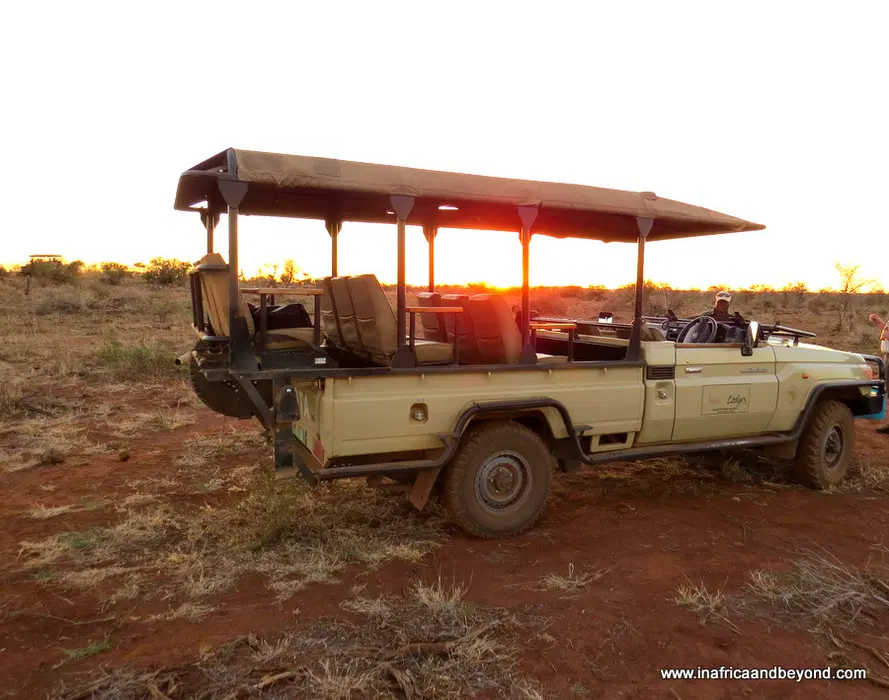
- Whenever possible, opt for reserves utilizing electric safari vehicles, solar-powered boats, or other sustainable transport.
- Respect wildlife by maintaining a safe distance, adhering to guide instructions, and avoiding activities that disrupt natural behaviors.
The Future of Responsible Wildlife Tourism
Ecotourism holds significant potential in preserving Africa’s unique landscapes and wildlife. By opting for responsible travel operators, honoring natural animal behaviors, and supporting community-oriented conservation efforts, travelers can ensure that tourism positively impacts both people and the environment.
An unforgettable safari experience does not have to come at the cost of nature. With mindful travel decisions, it is possible to enjoy incredible wildlife encounters while contributing to the safeguarding of Africa’s natural heritage.






Discussion about this post