









Mental Health and Firearm Safety Concerns Among Older Adults
If you or someone you know may be experiencing a mental health crisis, contact the 988 Suicide & Crisis Lifeline by dialing or texting “988.”
Case Study of a Retired Health Administrator
A 72-year-old retired health administrator residing near Seattle participated in a remote interview with Laura Prater, a firearms researcher at Ohio State University. During the session, Prater administered a questionnaire that revealed mild cognitive impairment, often associated with dementia, as well as a diagnosis of depression from his healthcare provider.
Presence of Firearms in the Home
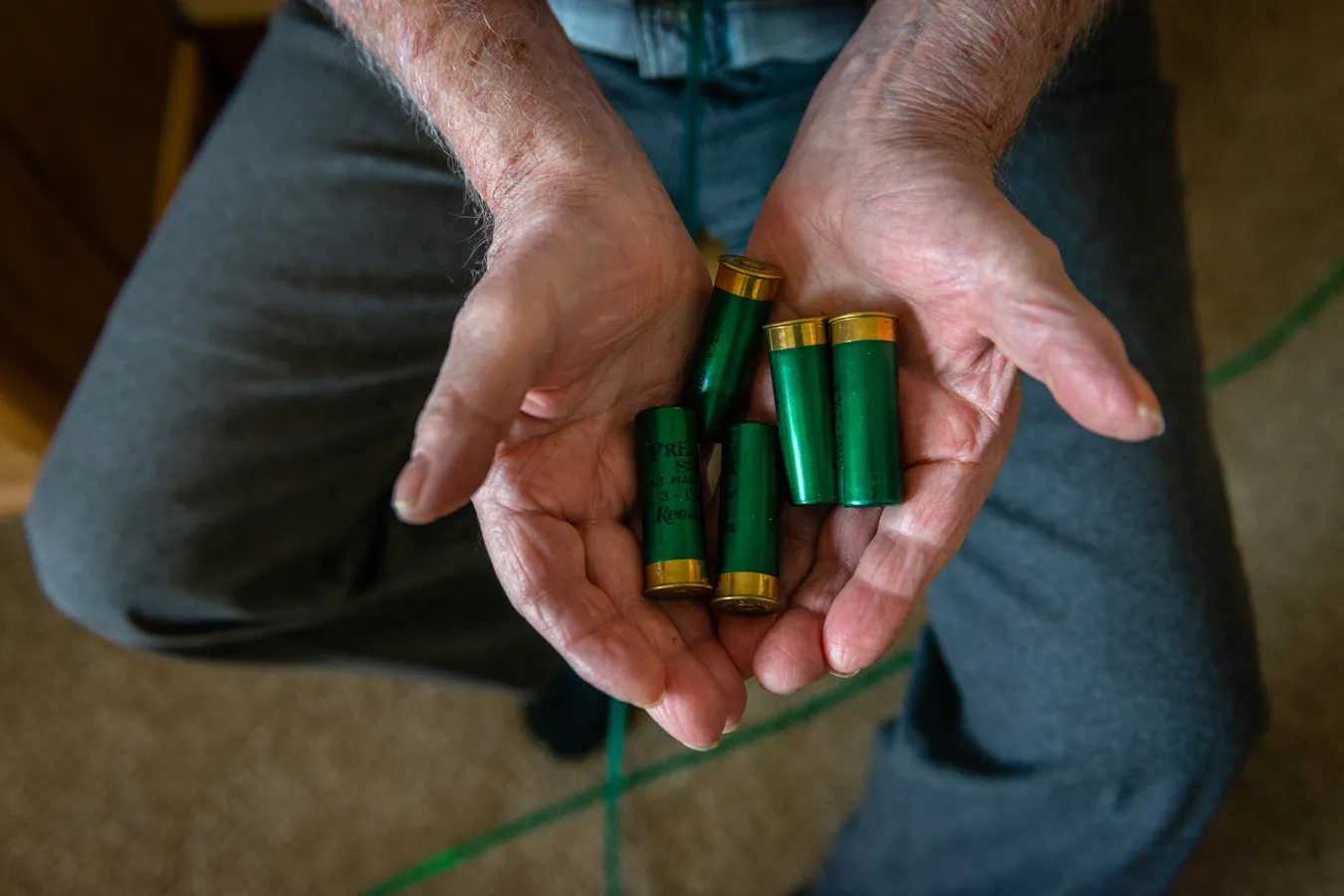
When asked about firearm possession, the individual confirmed he owned a shotgun and a recently acquired .45-caliber pistol. The shotgun, while unloaded, was propped against his bed, and the pistol was kept loaded in a nightstand drawer. Prater noted, “He regarded these weapons as practical tools for self-protection,” a viewpoint that she found concerning due to his mental health diagnoses.
Public Health Concerns
Public health experts have been examining the risks associated with firearms in homes occupied by older adults, particularly those with cognitive impairments. Research indicates that approximately one-third of individuals with dementia have access to firearms, raising alarms among safety advocates.
Challenges in Addressing Firearm Safety
Attempts to persuade individuals to surrender their guns often face resistance. Firearm owners frequently cite protection as their primary reason for keeping weapons, leading to emotional attachments that complicate discussions about relinquishing firearms, according to Kelsey Conrick of the University of Washington’s Center for Firearm Injury Prevention.
Emerging Strategies for Safe Storage
Studies advocate for a “harm-reduction approach,” which emphasizes safe firearm storage practices—keeping guns unloaded and locked—and providing free safety devices such as trigger locks and lockboxes. This strategy has shown promise in mitigating risks associated with firearm access among older adults.
Statistics on Firearm-Related Deaths
Lena Makaroun, a geriatrician at the University of Pittsburgh School of Medicine, highlights that there were 8,226 firearm-related deaths in the United States among individuals aged 65 and older in 2024—approximately 23 fatalities per day. Notably, suicides account for more than 90% of gun-related deaths in this demographic.
Cognitive Decline and Gun Access
Researchers are increasingly focused on older adults experiencing memory loss or confusion without a formal dementia diagnosis. A recent survey indicated that a third of seniors with subjective cognitive decline reported gun ownership, often without proper storage. This was alarming given the increased risks associated with confusion and unregulated access to firearms.
Early Intervention Discussions
Medical professionals advocate for initiating conversations about firearm access and safe storage before cognitive impairment becomes severe, allowing patients the autonomy to make informed decisions. Conrick emphasizes, “Allowing individuals to retain agency is crucial in reducing risky behaviors.”
Understanding Emotional Attachments to Firearms
The emotional connection many older adults have with firearms can deepen over time, particularly as they face vulnerability with aging. Marian Betz of the University of Colorado Anschutz notes, “Older gun owners often view firearms as a means of protection, stemming from legitimate fears of victimization.”
The Need for Conversations About Firearm Safety
A 2020 study revealed that only about 5% of caregivers for individuals with dementia had ever discussed firearm safety with healthcare professionals. Moreover, many patients may hesitate to disclose their gun ownership due to misconceptions regarding potential repercussions for their mental health status.
Family Dynamics in Addressing Firearm Safety
Families are often reluctant to engage older members in discussions about securing firearms, fearing potential conflicts. Researchers found that caregivers witnessed dangerous behaviors but hesitated to confront the issue for fear of alienation.
Collaborative Efforts to Promote Safety
To address firearm safety among older adults, researchers like Prater are developing educational resources for clinicians. Programs such as Conrick’s “Pathways 2 Safety” have successfully distributed locking devices to improve safe firearm practices.
Proposed Safety Initiatives
Makaroun and her colleagues have proposed incorporating firearm safety discussions into annual Medicare wellness visits, a strategy aimed at reaching a significant portion of older adults for preventive care. Makaroun asserts that this initiative transcends political divisions, emphasizing common ground on safety.
A Tragic Case Highlighting the Issues
In a poignant case from 2019, a patient experiencing cognitive decline was later found dead from a self-inflicted gunshot wound the day after a routine assessment. This tragic incident underscores the critical need for proactive discussions around firearm access and safety among older adults with cognitive impairments.
The New Old Age is produced through a partnership with The New York Times.








Discussion about this post