









Seven Travel Documentation Errors That Could Derail Your Journey
After securing your flights, finding the ideal accommodation, and meticulously planning your itinerary, the last thing you want is to be stopped at check-in due to a passport issue or a missing visa.
While paperwork isn’t the most thrilling part of travel preparation, neglecting it can jeopardize your entire trip. Here are seven common errors that travelers often make, along with tips on how to prevent them.
1. Underestimating Visa Requirements
Many travelers mistakenly believe that a passport alone is sufficient for entry into any country, often relying on outdated information from friends. Since entry regulations fluctuate frequently based on nationality, duration of stay, and trip purpose, it’s crucial to verify visa requirements early in the planning process.
If you’re unsure, consider utilizing professional services to navigate the visa application maze, which can save you the hassle of deciphering embassy websites.
2. Ignoring Passport Expiration Dates
Different countries have varying rules concerning passport validity; some require your passport to be valid for at least six months beyond your arrival date. Even if your passport is technically valid on the travel day, it may still lead to rejection at the gate or upon arrival.
Always check the expiration date of your passport prior to booking any travel arrangements. If it’s set to expire within a year, it may be prudent to renew it well in advance, especially considering variable processing times during peak travel seasons.
3. Avoiding Capacity Constraints in Passports
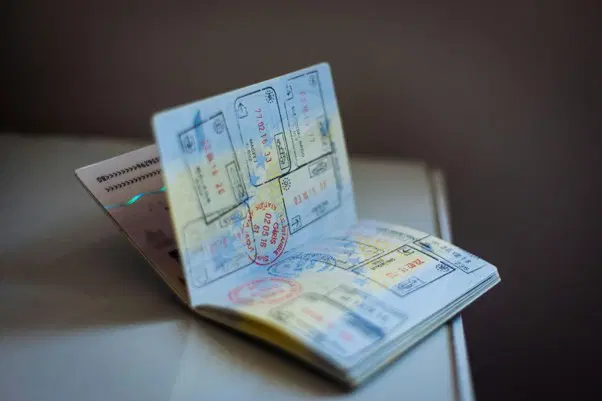
Frequent travelers may overlook that several countries necessitate one or two blank pages in your passport for visas or entry stamps. Inadequate blank pages can become an unexpected obstacle during your travels.
Inspect your passport and, if space is limited, explore renewal options ahead of your trip.
4. Choosing an Inappropriate Visa Type
Tourist visas do not typically allow for work, paid projects, or extensive studies. Numerous travelers fail to realize that even minor business-related activities could breach the requirements of a tourist visa.
Clearly define your travel intentions and select the visa that aligns with your needs. Misclassification may result in denied entry or complications with future visa applications.
5. Delaying Visa Applications
The approval timeline for visas can vary widely; while some may take mere minutes, others can extend into weeks, requiring appointments, interviews, or supplementary documentation like bank statements and hotel confirmations. Procrastination can prove detrimental.
To mitigate risks, initiate your visa application as soon as your travel dates are confirmed. Furthermore, research any restrictions regarding application timelines for your destination.
6. Overlooking Transit and Pre-Travel Protocols
Just because a destination does not require a visa does not imply that your journey is free from documentation obligations. Some countries mandate transit visas, even for layovers within the airport, while others require online registration prior to arrival, as seen in the UK’s Electronic Travel Authorization (ETA) process.
Investigate the requirements for every nation along your travel route, including layovers, to avoid unexpected complications during your journey.
7. Inconsistencies in Names and Omissions of Supporting Documents
Your name on flight bookings must precisely match the details in your passport. Discrepancies caused by name changes or typographical errors can lead to snags at check-in or during immigration checks.
Additionally, some countries might require proof of onward travel, accommodation information, travel insurance, or vaccination records. Organize both printed and digital copies of all essential documents in a single location, ensuring backups are available in cloud storage.
Prioritize Documentation
The simplest strategy to sidestep these pitfalls is to rearrange your travel planning sequence. Before making any irreversible bookings, confirm passport validity, visa prerequisites, and necessary supporting documents. Certain visa applications will require confirmed travel arrangements, so be well-informed before committing to any travel plans.
Dedicating an evening to comprehensive research can save you from unpleasant travel surprises. Once your paperwork is sorted, you can focus on enjoying the exciting aspects of your trip.
Travel regulations can evolve, so always verify the latest requirements with the appropriate embassy, immigration authorities, or official government websites prior to your departure.
Featured image source: Unsplash.com.









Discussion about this post