









As of 17 September 2026.
PLA Navy’s Recent Mission in Gulf of Aden
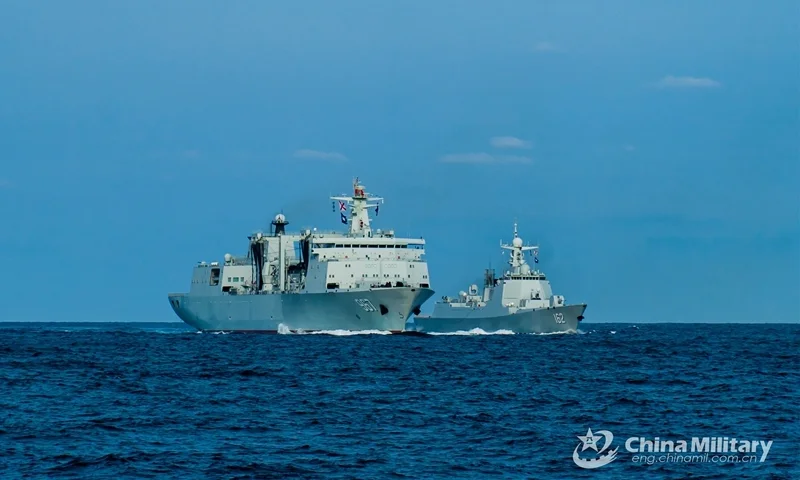
Gulf of Aden / Bay of Bengal — The Ministry of National Defense announced on 14 September 2026 that the People’s Liberation Army (PLA) Navy’s 48th escort task group has successfully completed its mission in the Gulf of Aden. The group, consisting of the destroyer Tangshan, the frigate Daqing, and the comprehensive supply ship Taihu, will make port calls in Bangladesh, Myanmar, and Malaysia on its return journey home, having departed China on 11 October 2025. This marks a significant eleven-month deployment before even initiating the return leg of the journey.
Mission Overview and Capabilities
- The 48th task group completed its duties in the Gulf of Aden and is returning via three ports in the Indian Ocean and Southeast Asia.
- Open ship days and professional exchanges are slated to take place during the port visits.
- The mission began with the departure of the three vessels on 11 October 2025.
- PLA escort operations in the region date back to December 2008.
This briefing did not include specific patrol statistics or maintenance records, as those details are typically reserved for after-action reporting.
Significance of the Support Structure
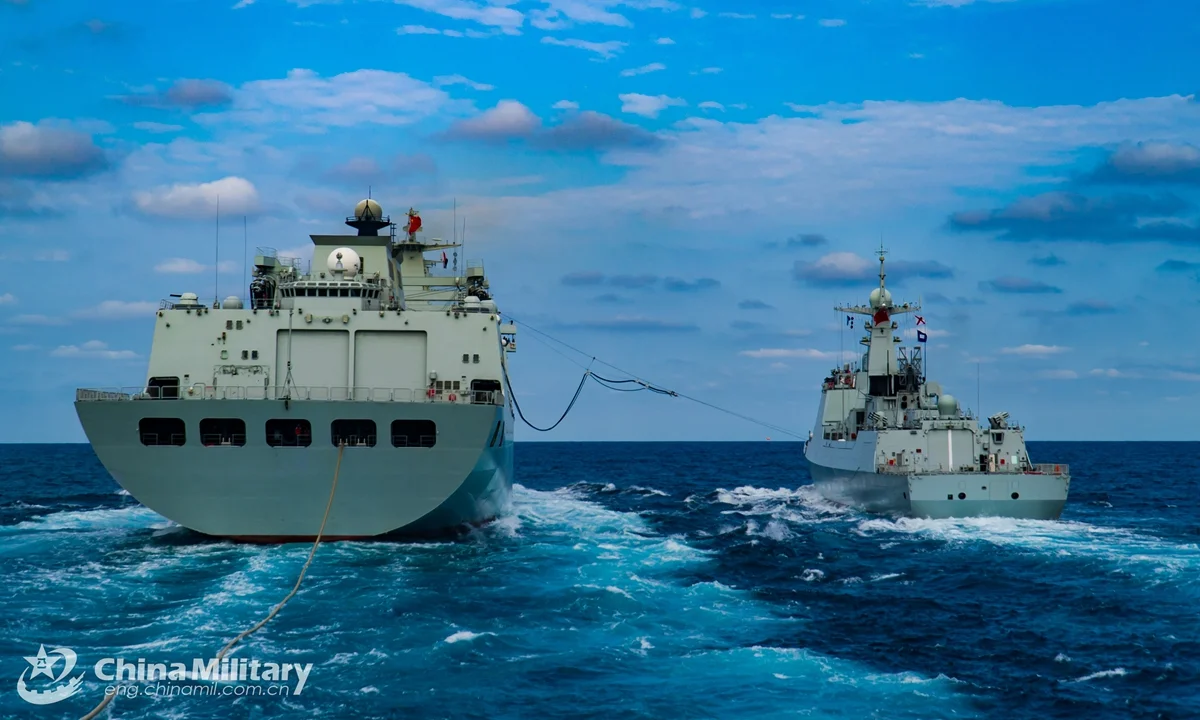
The key to sustaining a long-term deployment of the task group lies in the combination of a destroyer, a frigate, and a supply ship. While the Type 052D-class destroyer is capable of extended missions, it requires ongoing replenishment of fuel, provisions, and materials to remain operational. Taihu serves a crucial role in this capability, ensuring that both Tangshan and Daqing can continue their operations without interruption.
Through underway replenishment, Taihu is able to provide essential supplies while all vessels remain in motion, thus preventing the destroyer and frigate from needing to return home prematurely. Weighing approximately 23,000 tonnes full load, Taihu possesses ample resources for prolonged deployments, differentiating this operation from traditional resupply methods that rely on a fixed base.
Rationale for Port Selection
Bangladesh, Myanmar, and Malaysia were chosen as they align with the task group’s existing travel route. Visiting these ports maximizes operational presence without unnecessary detours. Furthermore, these port calls provide opportunities to engage with local military personnel and the public, showcasing vessels that have recently participated in significant escort duties.
While these visits do not serve as formal sales tours, they present an opportunity for the PLA Navy to enhance its visibility among nations that either currently procure or are considering Chinese naval vessels. Successful repeated deployments can indicate a navy’s capacity for sustained operations and its commitment to engagement.
Implications for Future Operations
The duration of Tangshan and Daqing‘s presence in the Indian Ocean comes at a cost, as it potentially limits their availability for operations in the Western Pacific. However, the PLA has backfilled its fleet with additional destroyers and frigates, facilitating this long-term commitment. Future deployments will reflect the navy’s ability to maintain this rhythm if production levels of escort vessels and oilers continue to meet demand.
Significant indicators to watch include:
- Whether the 49th task group will embark on a similar extended mission.
- The size of the supply ship included in future deployments.
- The recovery timeline for Tangshan and Daqing post-mission.
Conclusion
The announcement made on 14 September outlines a diplomatic path for the returning task group, yet the structural capabilities of China’s naval fleet underpin this extended operational presence. The sustained deployment of a destroyer, a frigate, and an oiler for nearly a year hinges on effective fleet management and industrial support. Observing the supply vessels will reveal the true operational capacity of the Chinese navy long after the headlines fade.
Sources: Ministry of National Defense press briefing and China Military / Xinhua reporting, 14 September 2026. Ship class descriptions derived from recent PLAN commissioning updates.







Discussion about this post