









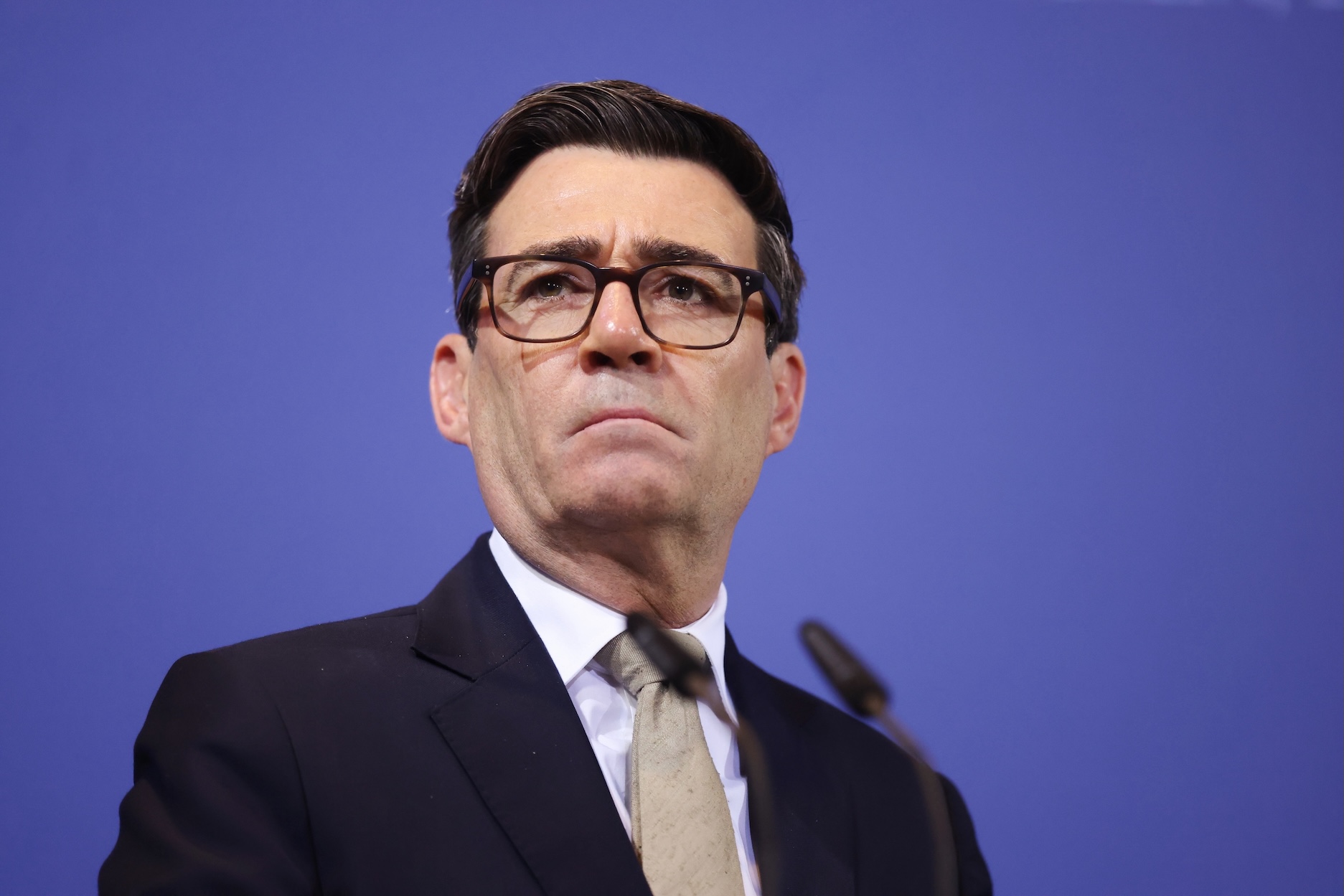
Andy Burnham’s Leadership: Navigating Internal Conflicts and Policy Challenges
Andy Burnham is making strides to differentiate his leadership style from that of his predecessor, Keir Starmer, by adopting a more open approach to managing the Labour Party. During the 2025 conference season, Burnham attributed the stifling of debate within the party to a “climate of fear” fostered under Starmer’s prime ministership. He reiterated this sentiment as he formally launched his leadership candidacy.
At a July hustings for Labour MPs, Burnham described the Labour movement as a “broad church,” committing to foster a team culture where every member feels valued and heard. Starmer has even suggested reconsidering Westminster’s tradition of party whips, indicating a potential shift towards greater internal flexibility.
This promise of increased engagement and acceptance of dissent aligns with Burnham’s broad political coalition, which he has effectively managed so far. However, the recent release of the Milburn report has emerged as a potential litmus test for his leadership.
Despite the report being flagged as a flashpoint, many of the MPs who previously rebelled against Starmer’s welfare reforms have since expressed support for Milburn’s proposals. Out of 32 MPs who spoke in the Commons on the issue, only eight voiced concerns. Even Rachael Maskell, who previously led the opposition against Starmer’s welfare bill, welcomed the current proposals. Moreover, Burnham’s reassessment of Brexit has not sparked significant dissent within the party, despite some lingering apprehensions.
The Rosebank Dilemma
While Brexit and welfare reform have historically been contentious issues within Labour, a more pressing challenge is emerging over the Rosebank oilfield. This situation threatens to expose fractures within Burnham’s coalition.
Rosebank, located 80 miles northwest of Shetland, is the UK’s largest untapped oilfield. A previous approval under the Conservative government was overturned by a Scottish court due to insufficient environmental assessments regarding the climate impact of fossil fuel extraction. Current ministers have refrained from publicly disclosing their stance on the issue, emphasizing that a decision will be made through a “quasi-judicial” process led by Energy Secretary Miatta Fahnbulleh. Recent approvals for other North Sea projects have not influenced the pending decision on Rosebank, according to government sources.
Despite the government’s cautious stance, Labour MPs on both sides are actively lobbying on the matter. Reports indicate that a private letter opposing the Rosebank project has garnered signatures from at least 75 Labour MPs, with numbers potentially rising to 100. Conversely, a faction supporting the project reportedly includes around 80 MPs, illustrating a significant divide within the parliamentary Labour Party (PLP).
This division extends across various levels of the party, including the cabinet. Miatta Fahnbulleh has been vocal in her opposition to new oil and gas fields, having previously characterized North Sea drilling as “irresponsible and short-sighted.” Her predecessor, Ed Miliband, labeled the Rosebank project as “climate vandalism.”
Burnham’s Leadership Challenge
The arguments against Rosebank are largely centered around the UK government’s climate commitments. Chris Ward, a former minister, cautioned that any decisions regarding Rosebank could undermine the government’s reputation as a leader in climate action. While most Labour MPs seem to accept the rationale behind other recent energy approvals, Rosebank has emerged as a more divisive issue.
As Labour moves forward, the decision on Rosebank will serve as a critical test of the government’s commitment to its climate goals. Burnham has previously emphasized the need for climate issues to take a prominent role in political discourse, a message he reiterated at Cop31.
Furthermore, Labour’s recent polling success under Burnham is attributed to re-engaging voters who had shifted towards the Greens and other progressive parties. An approval of Rosebank could jeopardize this momentum, potentially alienating environmentally conscious voters and providing an opening for rival parties to capitalize on Labour’s perceived compromises.
Consensus and Future Implications
Regardless of the outcome, a substantial portion of Labour may feel sidelined. The decision will highlight the varying influences within Burnham’s government and parliamentary party, a key consideration for a government still defining its political identity. MPs and voters are likely to scrutinize the Rosebank decision to gauge the ideological direction of the party.
Burnham has built his leadership on the premise that various factions within Labour can coexist. However, as he navigates this complex landscape, he faces the inevitable challenge of disappointing some elements of his coalition. So far, he has managed to pursue his agenda without the internal turmoil that characterized Starmer’s leadership. However, the Rosebank decision will require him to make difficult choices that could reveal deeper divisions within his broad-based support.








Discussion about this post