









Understanding Key Biological Terms Related to Evolution and Fossils
Abdomen: The abdomen refers to the central region of a vertebrate’s body, housing essential digestive organs. In mammals, it is located between the diaphragm and the pelvis. Similarly, many invertebrates, including insects, possess an abdomen as part of their anatomy.
Ancestor: An ancestor is an organism from which another species or individual has evolved. This term can apply to family members, such as grandparents, or to species in a broader biological context, like how ancient dinosaurs are the ancestors of modern birds.
Antenna: In biological terms, antennae (or antennas) are sensory appendages found on the heads of insects, crustaceans, and various arthropods. In the realm of physics, antennas refer to devices designed to receive electromagnetic energy.
Aquatic: The term aquatic pertains to water, often used to describe organisms or activities that occur in aquatic environments.
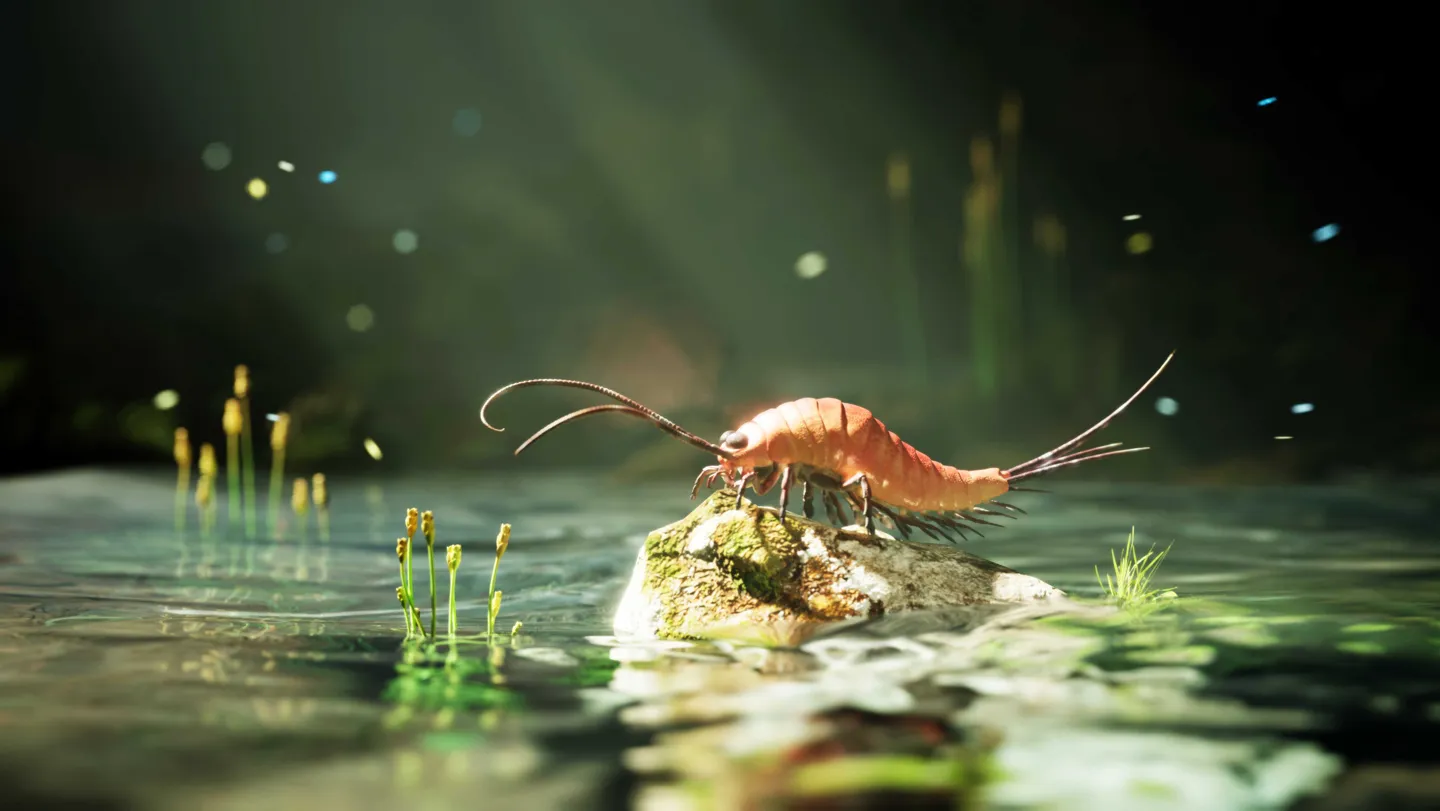
Crustaceans: Crustaceans are a diverse group of hard-shelled aquatic animals, including species such as lobsters, crabs, and shrimp.
Descendant: A descendant refers to a blood relative of an earlier generation, connecting lineages through time.
Develop: To develop means to bring something into existence or to progress in a way that results in significant change, whether through natural processes or human intervention.
Evolution: Evolution describes the gradual process by which species change over time, often through genetic variation and natural selection, leading to organisms that are more suited to their environments. This concept can also apply to non-biological changes, such as technological advancements.
Extinct: The term extinct refers to a species that no longer has any living members, marking the end of that particular lineage.
Family: In biological classification, a family is a taxonomic group that includes one or more genera of organisms.
Filter: A filter is a device or process that selectively allows certain materials to pass through while blocking others based on specific characteristics, such as size or density.
Fossil: Fossils are preserved remains or traces of ancient life, including body fossils, such as bones, and trace fossils, like footprints. The process of fossilization is crucial for understanding Earth’s biological history.
Generation: A generation consists of a group of individuals born around the same time, often sharing familial ties. For instance, parents belong to one generation, while their children belong to the next.
Geology: Geology is the scientific study of Earth’s physical structure, composition, and processes, as well as its historical development. Experts in this field are known as geologists.
Insect: Insects are a class of arthropods characterized by having six segmented legs and a body divided into three parts: head, thorax, and abdomen. This diverse group includes numerous species, such as bees, beetles, and flies.
Juvenile: Juveniles are young, sub-adult animals that are no longer in the larval stage but have not yet reached full maturity.
Kin: The term kin encompasses family members and relatives, which may include both immediate and distant connections.
Milestone: A milestone denotes a significant achievement or a crucial stage in a process, often serving as a marker for progress toward a goal.
Organism: An organism is any living entity, ranging from complex multicellular beings like elephants to simple single-celled life forms.
Paleobiologist: A paleobiologist specializes in the study of ancient organisms, particularly those from geological periods like the age of dinosaurs.
Paleontology: Paleontology is the scientific discipline focused on the study of fossilized plants and animals, with practitioners known as paleontologists.
Prehistoric: The term prehistoric describes a time period that occurred tens of thousands to millions of years ago, before the advent of recorded history.
Recall: To recall means to remember or bring to mind past experiences or information.
Sea: A sea is a large body of saltwater that is smaller than an ocean and is often partially enclosed by land.
Species: A species is defined as a group of similar organisms capable of interbreeding and producing viable offspring.
Thorax: The thorax is the middle section of an insect’s body, located between the head and the abdomen, and is responsible for bearing the legs and wings.
Tool: A tool is an object created or acquired by an organism that is utilized to accomplish specific tasks, such as obtaining food or performing maintenance activities.








Discussion about this post