

By R Chandrakanth
-
Main goals of Artemis II to test the Orion spacecraft with humans on board
-
Learn about how the human body reacts to deep space conditions, including exposure to radiation and long periods of weightlessness
Bengaluru. Artemis II is one of the most important space missions of our time, and it marks a major step in humanity’s return to the Moon. It is part of NASA’s Artemis Programme, which aims to send humans back to the lunar surface and eventually prepare for missions to Mars.
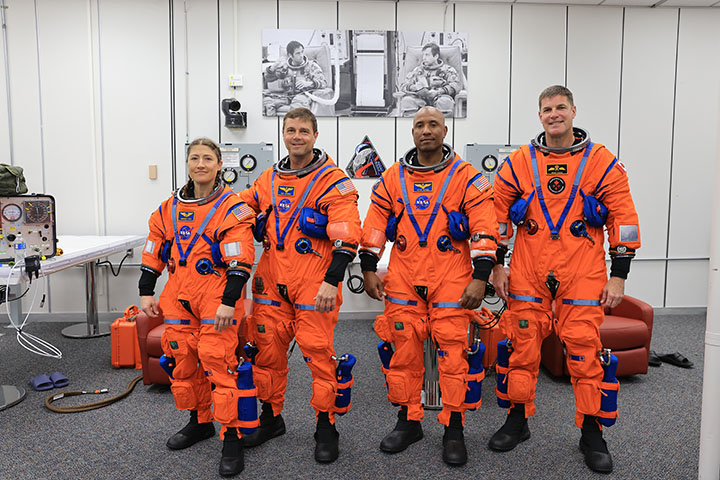
While earlier missions focused on testing systems without astronauts, Artemis II is special because it will carry a crew of astronauts around the Moon for the first time in more than 50 years since the Apollo era. This mission is not about landing on the Moon yet, but about testing everything needed to safely send humans deep into space and bring them back home.
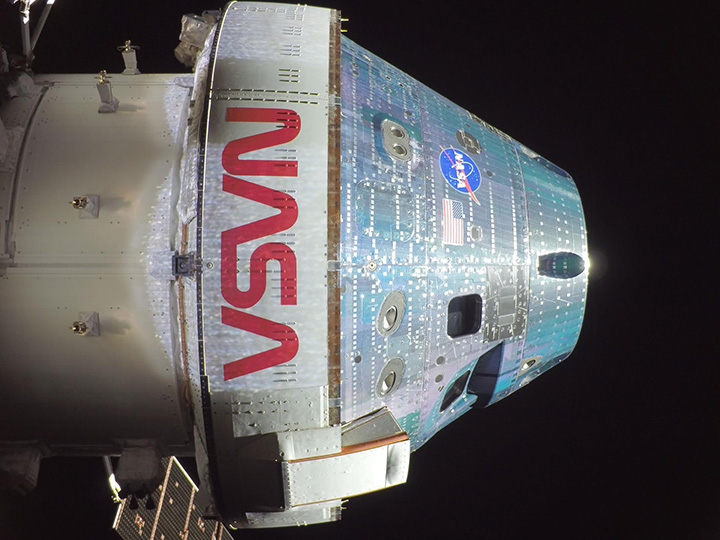
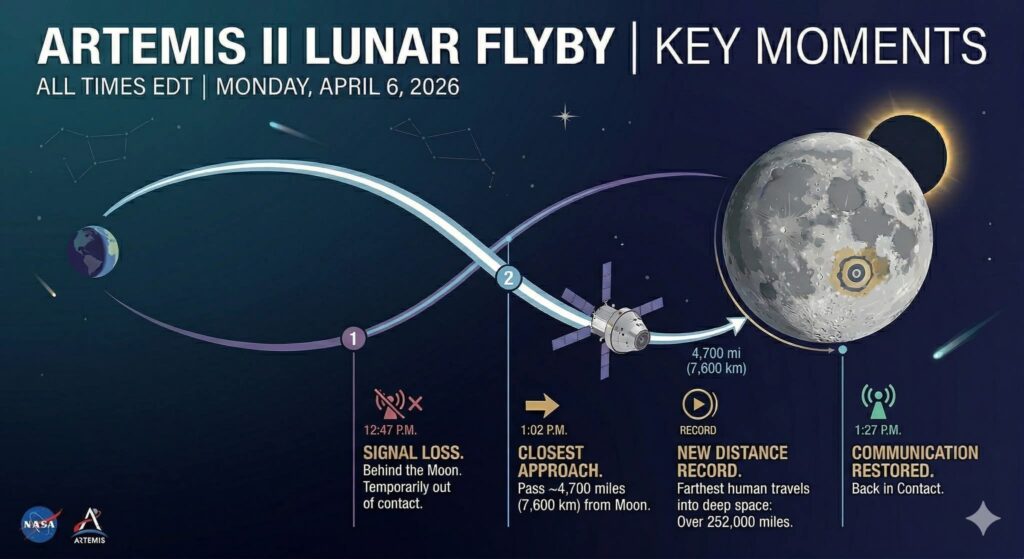
The Artemis II mission will use NASA’s powerful Space Launch System rocket, also known as SLS, along with the Orion spacecraft. These are the most advanced systems ever built for human space exploration. The SLS rocket will launch the Orion spacecraft into space, carrying four astronauts on board. Once in space, Orion will travel beyond low Earth orbit, going farther than any human spacecraft has gone in decades. The astronauts will orbit the Moon and then return to Earth, completing a journey that is expected to last about 10 days.

One of the main goals of Artemis II is to test the Orion spacecraft with humans on board. While Orion has already flown in space without a crew during Artemis I, having astronauts inside adds a completely new level of complexity. The mission will test life support systems, communication systems, navigation, and many other critical technologies. These systems must work perfectly to keep astronauts safe in the harsh environment of deep space. For example, the spacecraft must maintain the right temperature, provide oxygen, remove carbon dioxide, and protect the crew from radiation.
Carrying Humans Safely into Space
Another important part of the mission is testing how the spacecraft performs during launch and re-entry. The SLS rocket is extremely powerful, and Artemis II will show how well it can carry humans safely into space. After completing the lunar orbit, the Orion spacecraft will re-enter Earth’s atmosphere at very high speeds. This is one of the most dangerous phases of the mission, as the heat and pressure during re-entry are intense. The heat shield of Orion must protect the astronauts and ensure a safe splashdown in the ocean.
Artemis II also has symbolic importance. It represents a new era of space exploration, where humans are not just visiting space for short missions but preparing for longer journeys. Unlike the Apollo missions, which were focused on a race to the Moon, the Artemis Programme is about building a sustainable presence. This means creating systems and technologies that can be used again and again, making space travel more efficient and cost-effective over time.
The mission is also designed to be more inclusive. The crew of Artemis II reflects diversity in modern space exploration, including astronauts from different backgrounds and experiences. This is an important message that space is for all humanity, not just a select few. It also inspires young people around the world to dream about careers in science, technology, engineering, and mathematics.
Technologies can be used in medicine, communication, and transportation
The benefits of Artemis II go far beyond the mission itself. One major benefit is technological advancement. The technologies developed for this mission can be used in many other areas, such as medicine, communication, and transportation. For example, improvements in life support systems can help in designing better air and water purification systems on Earth. Advances in materials used for spacecraft can lead to stronger and lighter materials for use in construction and manufacturing.
Another benefit is scientific knowledge. Even though Artemis II is mainly a test mission, it will still collect valuable data about space travel beyond Earth’s orbit. Scientists will learn more about how the human body reacts to deep space conditions, including exposure to radiation and long periods of weightlessness. This knowledge is important for planning future missions to the Moon and Mars, where astronauts will spend much longer periods in space.
Artemis II also plays a key role in international cooperation. NASA is working with space agencies from other countries, as well as private companies, to make the Artemis Programme successful. This collaboration brings together expertise and resources from around the world, making space exploration a shared effort. It also strengthens relationships between countries and promotes peaceful use of space.
The mission is also expected to boost economic growth. Developing and building the technologies needed for Artemis II creates jobs and supports industries such as aerospace, engineering, and manufacturing. Many companies are involved in the supply chain, from building rocket components to designing software systems. This investment in space exploration can lead to innovation and economic opportunities that benefit society as a whole.
Education and inspiration are other important benefits of Artemis II. Space missions capture the imagination of people everywhere. They encourage students to take an interest in science and technology and to pursue careers in these fields. The excitement around Artemis II can motivate a new generation of scientists, engineers, and explorers who will shape the future.
Stepping Stone to Future Missions
Looking ahead, Artemis II is a stepping stone to future missions. The next mission, Artemis III, aims to land astronauts on the Moon, including the first woman and the first person of color. Beyond that, NASA plans to build a space station in orbit around the Moon called the Gateway, which will serve as a base for further exploration. Artemis II helps test the systems and procedures needed for these more ambitious missions.
The mission also helps us understand how to live and work on the Moon. While Artemis II does not involve landing, it is part of a larger plan to establish a long-term human presence on the lunar surface. This includes building habitats, developing ways to use local resources, and creating systems to support human life. These efforts will be important for future missions to Mars, where astronauts will need to be more self-sufficient.
Safety is a top priority for Artemis II. NASA has spent years testing and refining every part of the mission to reduce risks. The lessons learned from Artemis I and other tests are being used to improve systems and procedures. The astronauts selected for Artemis II are highly trained and prepared for the challenges of deep space travel. Their mission will help ensure that future missions can be carried out safely.
In many ways, Artemis II is about pushing boundaries. It takes humans farther into space than we have gone in decades and tests technologies that will shape the future of exploration. It builds on the legacy of past missions while looking forward to new possibilities. It shows what can be achieved when science, technology, and human determination come together.

Artemis II is a crucial mission that brings us closer to returning humans to the Moon and eventually reaching Mars. Its main purpose is to test the systems needed for deep space travel with astronauts on board, ensuring their safety and success. The mission offers many benefits, including technological advancements, scientific discoveries, economic growth, and global cooperation. It also inspires people around the world and encourages the next generation to explore and innovate. As part of the Artemis Programme, Artemis II is not just a mission to the Moon but a step toward a future where humans explore deeper into space than ever before.


Discussion about this post