









Austrian Government Proposes New Espionage Legislation Targeting Foreign Intelligence Activities
Recent developments in Austrian policy reflect a significant shift towards curbing espionage activities, particularly in light of increasing concerns regarding Russian intelligence operations. An internal document revealed to POLITICO outlines the objectives of the new legislation, which seeks to close existing loopholes in the country’s approach to foreign espionage.
Current Legal Framework and Proposed Changes
Austria’s existing Criminal Code permits prosecution for operating or supporting clandestine intelligence services if they threaten Austrian national interests. However, it fails to adequately address espionage directed at foreign nations or international organizations—a gap the government aims to rectify. The proposed amendments would introduce penalties of up to five years for espionage aimed at EU institutions or key international organizations with a presence in Austria, such as the United Nations, the Organization for Security and Co-operation in Europe (OSCE), and the International Atomic Energy Agency (IAEA). Additionally, the maximum incarceration term for espionage against Austria itself would double from five to ten years.
Recent Actions Against Russian Espionage
In a bold move earlier this year, Austria urged Russia to dismantle several satellite installations located on its diplomatic premises in Vienna, expressing concerns they could facilitate espionage activities. Following these negotiations, at least three installations were dismantled. Since March 2025, Austria has expelled eight Russian diplomats suspected of engaging in espionage.
A Shift in Austria’s Espionage Tolerance
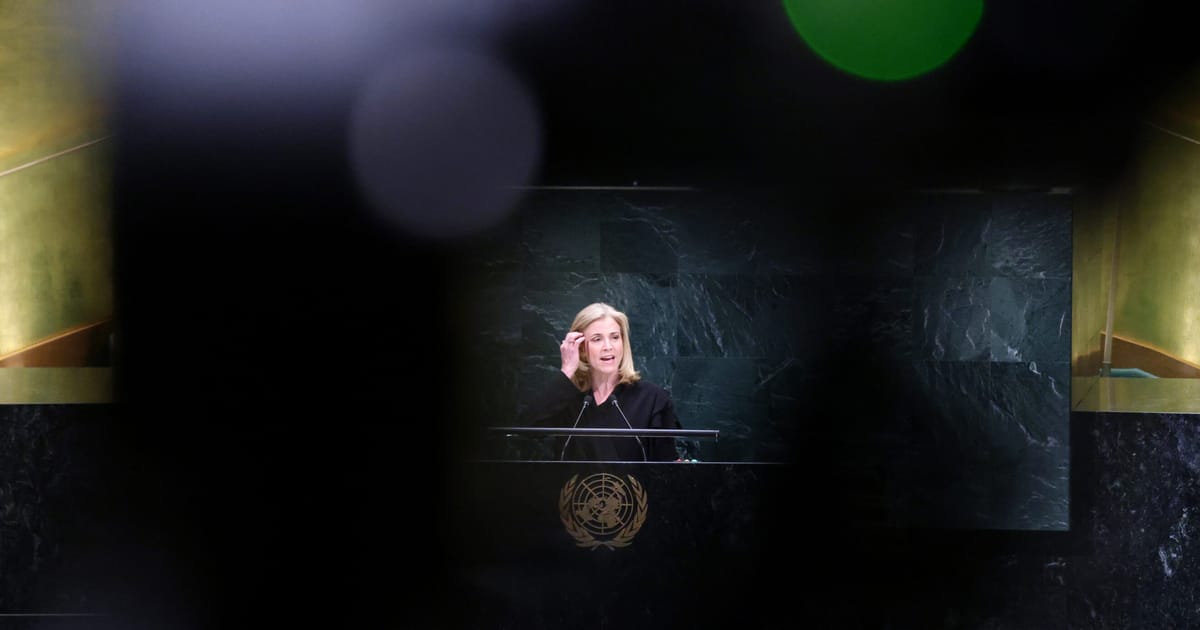
Meinl-Reisinger, a prominent figure in advocating for these changes, emphasized that “Austria’s lax approach to spies is now firmly a thing of the past.” While Vienna remains a venue for diplomatic discourse, it will no longer serve as a sanctuary for espionage, reflecting a significant change in the nation’s stance on intelligence activities.
Historical Context of Vienna as a Spy Hub
Austria’s longstanding neutrality and its non-NATO status have historically rendered it a favorable environment for intelligence operations. Its strategic location during the Cold War, bordering the Iron Curtain, further established Vienna as a crucial meeting point for covert agencies from both the East and West.
The proposed legislation signals Austria’s commitment to reevaluating its policies surrounding espionage, as it takes meaningful steps to secure both its own interests and those of the international community.





Discussion about this post