









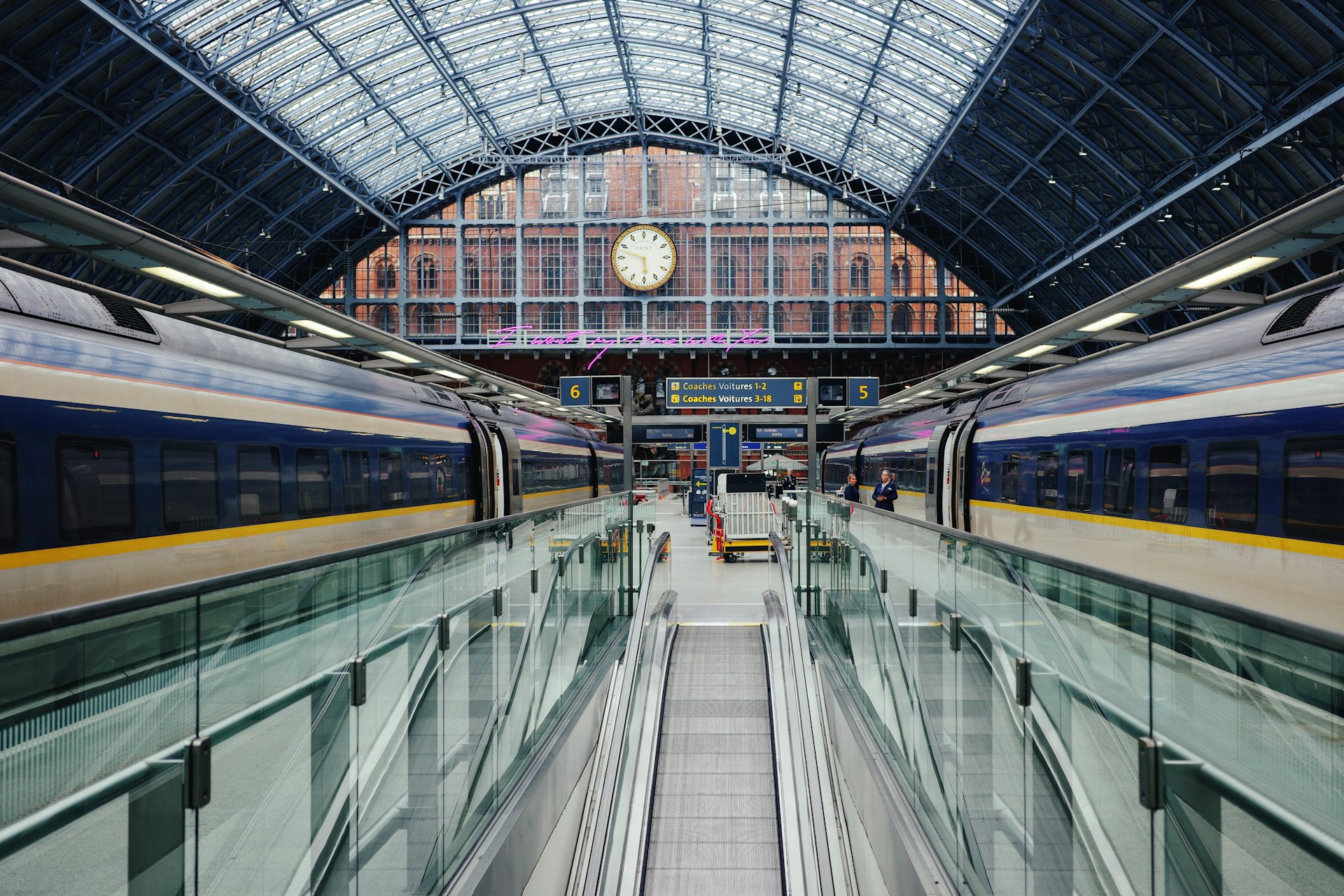
Belgium, 29 November – Brussels Morning Newspaper – A tragic incident involving a Eurostar train occurred on Saturday, 28 November 2026, near Leuze-en-Hainaut, resulting in significant disruptions to international high-speed rail services. The collision, which claimed the life of an individual, led to the suspension of high-speed train operations between Brussels and the French border, impacting travelers heading to and from Belgium, France, and the United Kingdom.
The accident transpired when a Eurostar train en route from Brussels to London struck a person on the tracks. Local media reported that the victim succumbed to injuries sustained in the collision. Infrabel, the railway infrastructure manager, announced an indefinite suspension of services along the affected high-speed line.
This incident has disrupted one of Belgium’s key international rail routes, prompting Eurostar to issue warnings of substantial delays and potential last-minute cancellations. Passengers were urged to consider rescheduling their journeys when possible.
Details of the Incident Near Leuze-en-Hainaut
The accident occurred in the vicinity of Leuze-en-Hainaut, a municipality located in Hainaut province within the Wallonia region of Belgium.
Reports from regional broadcaster NoTélé indicated that the train was making its way to London when it hit an individual who had reportedly crossed trackside fencing into the railway area. The circumstances surrounding the person’s presence on the tracks remain unclear.
Emergency services were dispatched to the scene, where the individual was pronounced dead. Authorities have yet to release information regarding the identity of the victim or further details about the incident.
Infrabel confirmed the suspension of high-speed services in both directions, affecting operations along the international high-speed route.
Suspension of High-Speed Train Services
The Eurostar accident prompted an immediate halt to high-speed rail traffic between Brussels and the French border.
This disruption impacted critical connections between Brussels and cities such as Lille and other destinations in France, forming part of a broader international rail corridor linking Belgium with France and the United Kingdom.
Infrabel’s announcement regarding the indefinite suspension meant that passengers could not rely on their scheduled travel plans until further notice.
Additionally, the closure affected services at Brussels-Midi/Zuid, a significant international railway hub.
Travelers between Brussels and France faced the likelihood of delays, cancellations, and alterations to their connections.
Eurostar Issues Disruption Alerts
In the aftermath of the Eurostar accident, the company issued a warning regarding major disruptions for passengers using the affected rail network.
Eurostar announced that emergency services were on-site managing the situation, cautioning travelers about the potential for significant delays and unexpected cancellations.
Passengers were advised to postpone their trips if possible. Those opting to continue with their original plans were encouraged to stay informed of any updates, as their travel could still be impacted.
This advisory applied to international routes involving Belgium and neighboring countries.
Eurostar extended its apologies for the inconvenience and recommended that travelers verify their departure information prior to arriving at the stations.
On Sunday, 29 November, Eurostar confirmed the cancellation of trains 9117 and 9039 between Lille-Europe and Brussels-Midi/Zuid due to the ongoing emergency response. Additionally, train 9143 would not stop at Amsterdam Central as initially planned.
Alternative Travel Recommendations by SNCB
The Eurostar accident also had ramifications for domestic rail operations, prompting the Belgian national railway, SNCB, to suggest alternative travel routes for passengers.
SNCB recommended that travelers consider using the Tournai route while services remained suspended. This alternative provided a potential solution for some journeys between Belgium and the French border.
Passengers were encouraged to utilize the official journey planner to confirm available connections before traveling.
Travelers utilizing international services were advised to check directly with Eurostar regarding cancellations, delays, and modifications to their bookings.
Those with connecting trains in Lille, Paris, or other European destinations could encounter further complications if their original itineraries were disrupted.
Implications for European Rail Travel
The Eurostar accident underscored the critical role that the Brussels railway network plays in international passenger transport.
Brussels serves as a vital connecting point between Belgium and several neighboring European countries, facilitating high-speed services to destinations such as Paris, London, and Amsterdam.
Particularly, the connection between Brussels and Lille is crucial, as it offers access to France’s extensive high-speed rail system.
Disruptions along this corridor can have cascading effects for passengers far beyond the immediate area, especially those relying on connecting services for their journeys.
Cancellations can lead to increased transport expenses, missed connections, and the need for adjustments to accommodation arrangements.
The incident highlights the importance of collaboration between infrastructure managers and passenger service operators. Infrabel oversees Belgium’s railway infrastructure, while Eurostar operates international passenger services on sections of this network.
At this time, there is no evidence suggesting that a technical fault with the train contributed to the collision, which is reported as involving an individual being struck by a moving train.
Essential Information for Passengers
Travelers planning journeys between Brussels and France are advised to stay updated on the latest railway information prior to departure.
The Eurostar accident resulted in considerable disruptions on Saturday, with specific cancellations and service adjustments continuing into Sunday.
Passengers should take the following precautions:
- Check Eurostar’s official travel updates before heading to the station.
- Use SNCB’s journey planner for alternative connections within Belgium.
- Verify the operational status of connecting trains.
- Contact the operator directly to clarify changes to existing bookings.
- Follow guidance from railway personnel at affected stations.
The extent of the railway disruption and additional details regarding the fatal collision remain unconfirmed in the available reports.
Passengers are encouraged to rely on the latest updates from Eurostar and Belgian railway authorities when making international travel arrangements.








Discussion about this post