
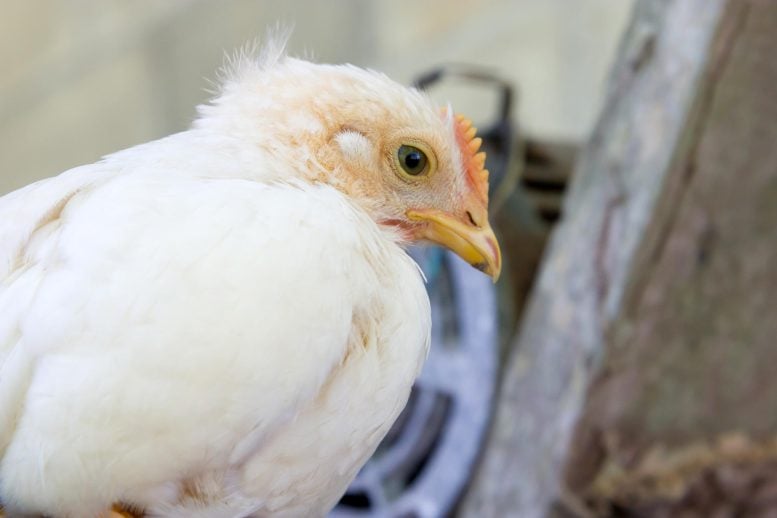
New research sheds light on how a key avian influenza However, sporadic contamination of wild and domestic mammals by bird flu is becoming increasingly common. Of particular concern is the recent unexpected infection of dairy cows in the USA by an avian H5N1 strain, which risks becoming endemic in cattle. This might facilitate adaptation to humans, and indeed, a few cases of transmission to humans have been reported, so far resulting in only mild symptoms. At the heart of this process is the polymerase, an enzyme that orchestrates the virus’s replication inside host cells. This flexible protein can rearrange itself according to the different functions it performs during infection. These include transcription – copying the viral the role of influenza polymerase in the viral transcription process. Reference: “Structures of influenza A and B replication complexes explain avian to human host adaption and reveal a role of ANP32 as an electrostatic chaperone for the apo-polymerase” 19 August 2024, Nature Communications.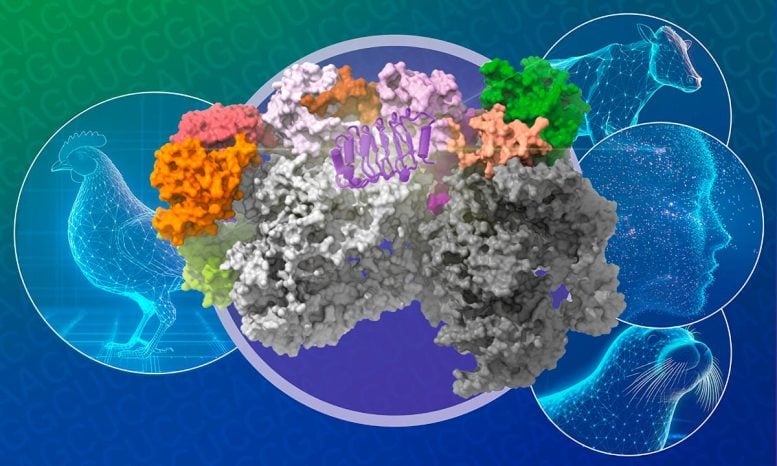
Avian Influenza Cross-Species Transmission
DOI: 10.1038/s41467-024-51007-3