



By euronews AP
Published on
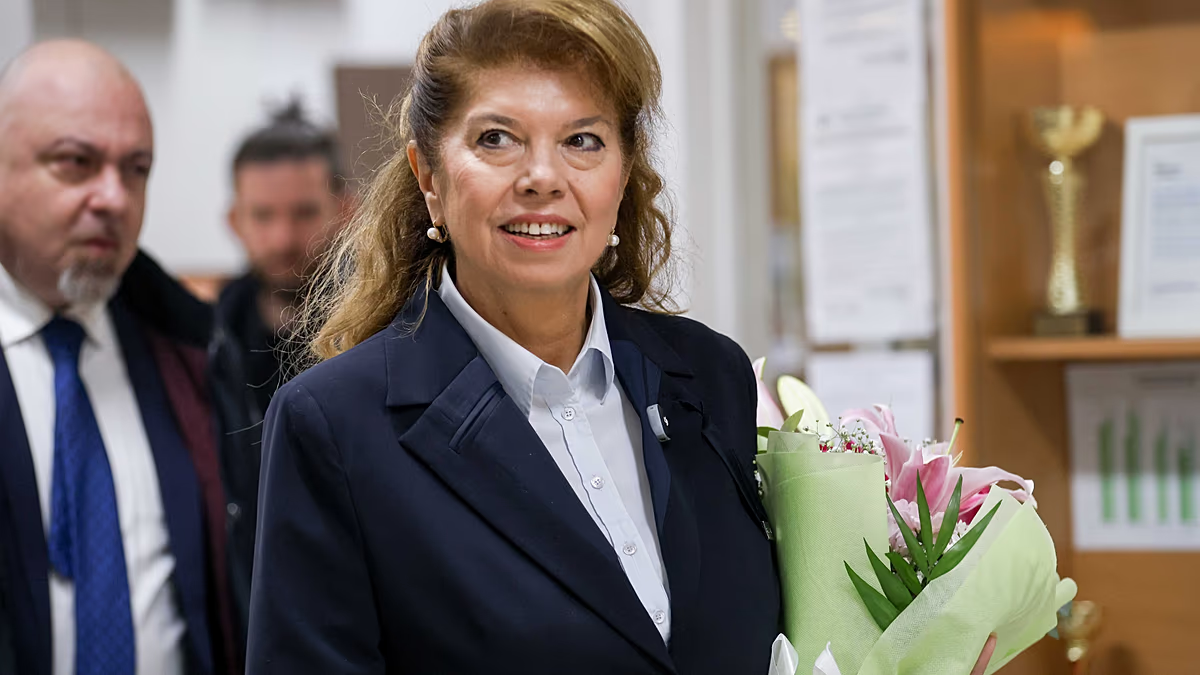
Incumbent Ilijana Yotova Poised for Historic Presidential Victory
Exit polls indicate that Ilijana Yotova, the incumbent candidate from the ruling centre-left party Progressive Bulgaria (PB), is on track to secure a significant majority in the run-off election for the Bulgarian presidency. Preliminary data suggest she may garner around 52% of the votes, potentially making her the first elected female head of state in the country.
Challenger Andrey Gyurov Trails Behind
Andrey Gyurov, the former interim Prime Minister and candidate backed by pro-Western opposition parties, is reportedly trailing with approximately 45% of the vote. His campaign has emphasized a commitment to strengthening Bulgaria’s ties with Western partners, especially in relation to the ongoing conflict in Ukraine.
Impact of the Ukraine Conflict
The war in Ukraine, occurring in close proximity to Bulgaria, has had a notable influence on the electoral landscape. Throughout her campaign, Yotova has advocated for diplomatic negotiations with Russia, positioning herself as a “President of Peace.” In contrast, Gyurov’s platform has called for intensified support for Ukraine amidst Russia’s aggression.
Significance of the Election for Progressive Bulgaria
This election marks a crucial test for Prime Minister Rumen Radev’s Progressive Bulgaria party, which has thrown its support behind Yotova. Having assumed the presidency earlier this year after Radev stepped down to campaign for parliamentary seats, Yotova is expected to maintain Radev’s policy direction. Observers expect her to prioritize Bulgaria’s alignment with European standards while fostering improved relations with Russia and reconsidering existing sanctions.
Contextual Challenges in Bulgaria
The electoral proceedings have been overshadowed by the unfolding conflict in Ukraine, which has also affected Bulgarian maritime activities. Recently, drone attacks on merchant vessels in the Black Sea, impacting Bulgaria and its neighbor Romania, have escalated concerns within the region.
Presidential Powers and Election Framework
In Bulgaria, the presidency holds a predominantly ceremonial role, lacking executive powers. Significant policies require parliamentary approval; however, direct elections grant the president enhanced political authority. The head of state is responsible for leading the armed forces, has the power to veto legislation, signs international treaties, and appoints ambassadors. Presidents in Bulgaria serve a five-year term and are restricted to a maximum of two terms.







Discussion about this post