Categories
Egypt

Egypt Study Identifies Over 17 Million Previously Undocumented Genetic Variants

Egypt has identified more than 17 million previously undocumented genetic variants in its first large-scale genome study, according to findings from the Egypt Genome Project published on 6 April.

The research, which analysed 1,024 individuals across 21 governorates, marks a major step toward understanding the genetic makeup of Egyptians, an area that has long been underrepresented in global research.

Scientists say the findings could reshape how diseases are diagnosed and treated in Egypt, as many existing medical models are based largely on European populations and may not accurately reflect local genetic differences.

The study identified more than 51 million genetic variants in total, with around one-third not found in international databases, highlighting gaps in global genetic data.

Researchers also found that Egyptians have a distinct genetic profile, combining shared Middle Eastern ancestry with a unique North African component.

This distinction may help explain differences in how certain diseases appear and how patients respond to treatment.

When international risk models were applied to the sample, results showed unusually high risk levels for several conditions, something researchers say reflects limitations in those models rather than actual disease rates.

The findings also pointed to relatively high carrier rates for some inherited conditions, including Familial Mediterranean Fever, as well as regional variations linked to consanguineous marriages.

Experts say the data could support more targeted screening programmes and help move Egypt toward more personalised healthcare.

The study, currently published as a preprint, is expected to expand in future phases as part of efforts to build a comprehensive national genetic database.

Shop Egyptian Streets Store

Categories
Egypt

Raedbots launches as Egypt’s first local industrial robotics manufacturer

Raedbots has officially launched as the first company in Egypt and the Middle East dedicated to the local design and manufacturing of industrial robots, aiming to meet rising demand for automation across regional industries.

The company develops robotic systems in-house at its Cairo facilities, covering mechanical design, electronics, control systems, and AI-based software. According to Chief Technology Officer Mohamed Ibrahim, the company’s approach focuses on delivering integrated automation solutions that enhance productivity, improve cost efficiency, and strengthen workplace safety in industrial environments.

Raedbots said its locally designed robotic arms are intended to reduce reliance on imported systems and lower the cost of adopting automation technologies. Chief Operating Officer Hamza El-Sahiti noted that in-house development enables the company to tailor solutions to regional operational requirements, while offering a more cost-effective alternative to imported systems.

The company is currently developing what it describes as “smart industrial robots” powered by physical AI, designed for applications including welding, CNC machine tending, material handling, packaging, and warehouse automation. These systems combine proprietary hardware with AI-driven software to enhance precision and reduce downtime in manufacturing processes.

Raedbots is also a member of NVIDIA Inception, a global initiative that supports technology startups. Through this programme, the company leverages advanced simulation and AI tools to accelerate product development and test robotic systems in virtual environments prior to deployment.

In addition, Raedbots participates in the Technology Innovation and Entrepreneurship Center (TIEC), affiliated with Egypt’s Ministry of Communications and Information Technology, which supports startups and promotes local innovation in the technology sector.

The company said its team comprises engineers and specialists with expertise in robotics, industrial automation, and manufacturing. It is currently collaborating with a number of factories and industrial partners to pilot and deploy its systems, while continuing to expand its product portfolio and production capacity.

Raedbots aims to contribute to the development of a domestic robotics industry in Egypt and the wider region, with a focus on enhancing industrial efficiency and supporting broader digital transformation efforts.


Categories
Egypt

Are Egyptian Women Losing Out on Marriage Compared to Other Muslim Countries? TikTok Thinks So

A wave of viral  TikTok videos has sparked a heated debate in Egypt: are women getting a worse financial deal in modern marriage? From complaints about splitting expenses 50/50 to frustration over disappearing dowries, the conversation has struck a nerve. But beneath the viral takes lies a more complicated reality, one that sits at the blurry intersection of culture, religion, and economic pressure. The “Deal” Everyone Thinks They Understand Traditionally, Egyptian marriages are often described as straightforward: the man provides, the woman receives. The groom is expected to secure the apartment, furnish it, pay for gold (the shabka), and cover wedding expenses. In return, the bride brings her gehaz (equipment), a term that sounds simple but, in practice, is anything but. The gehaz is not symbolic. It is extensive, including every item that goes into setting up a household’s daily life, especially in the kitchen, such as pots, pans, plates, cutlery, appliances, linens, and more. In many cases, it represents a significant financial burden on the bride’s family. In reality, there is no single model. In some families, costs are split differently: the woman’s family may purchase appliances while the…

You’ve read all of your free articles.
Subscribe now to support independent journalism and to enjoy:


Unlimited access to all our articles


Exclusive events and offers


First access to new premium newsletters


Ability to comment on articles


Full user profile

Shop Egyptian Streets Store

Categories
Egypt

JLOOD is The Leading Egyptian Online Fashion Destination Redefining Footwear and Lifestyle Shopping

The fashion retail landscape in Egypt has undergone a significant transformation in recent years. As digital platforms continue to reshape consumer behavior, shoppers are increasingly turning to online stores that offer convenience, variety, and access to global trends. In this evolving environment, JLOOD has emerged as a leading Egyptian online fashion destination, combining international brands with a seamless shopping experience tailored to modern consumers.

With a strong focus on quality, accessibility, and curated collections, JLOOD represents a new generation of digital retail platforms that understand the expectations of today’s fashion-conscious audience.

A New Standard for Online Fashion in Egypt

The rise of e-commerce has created new opportunities for fashion retailers to reach wider audiences. However, success in this space requires more than just offering products—it demands organization, authenticity, and a clear understanding of customer needs.

JLOOD stands out by providing a structured and user-friendly platform where shoppers can easily navigate between categories such as footwear, clothing, bags, and accessories. This streamlined experience allows customers to discover products efficiently while exploring a diverse selection of international brands.

By bridging the gap between global fashion and the Egyptian market, JLOOD has positioned itself as a reliable destination for those seeking both style and convenience.

Footwear at the Core From Sneakers to Everyday Essentials

Footwear remains at the heart of JLOOD’s identity. The platform offers an extensive range of shoes designed to meet different lifestyle needs, from casual daily wear to more refined options for formal occasions.

Sneakers are among the most popular categories, reflecting global fashion trends that prioritize comfort and versatility. Alongside sneakers, JLOOD also features a wide variety of sandals and slippers, which are essential for everyday comfort, especially in warmer climates. These options provide practical solutions for casual wear while maintaining a modern aesthetic.

Whether customers are searching for lightweight sneakers, relaxed sandals, or comfortable slippers, the platform delivers a well-rounded footwear collection that balances functionality with style.

Tommy Hilfiger Sneakers A Blend of Classic and Contemporary Style

Among the standout brands available on JLOOD, Tommy Hilfiger sneakers continue to attract strong interest from Egyptian consumers. Known for their clean design and timeless appeal, these sneakers combine classic American style with modern casual fashion.

Their versatility makes them a preferred choice for a wide audience. They can be styled effortlessly with jeans, casual outfits, or even smart-casual looks, making them suitable for both everyday wear and social occasions.

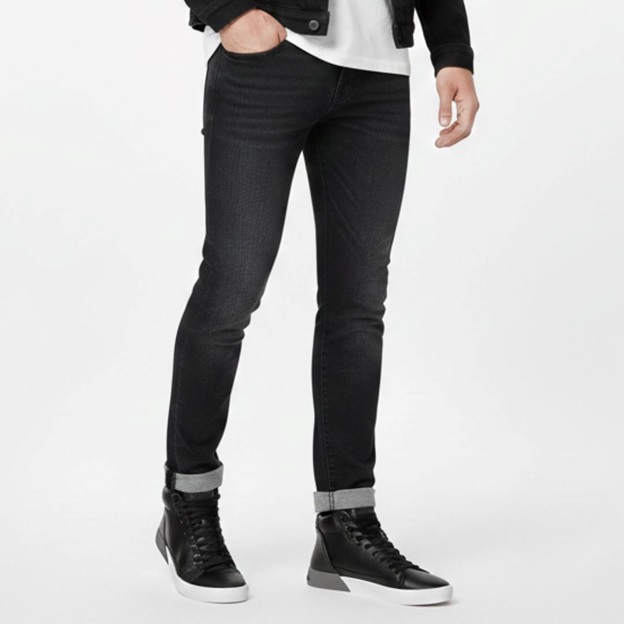
JLOOD provides access to a curated selection of Tommy Hilfiger sneakers, allowing shoppers to explore different designs without the limitations of traditional retail. From minimalist styles to more detailed variations featuring signature branding, the collection reflects the brand’s balance between simplicity and identity.

With comfort-focused construction and lightweight materials, these sneakers offer practicality alongside their visual appeal, making them a consistent favorite in the growing footwear segment.

Calvin Klein Sneakers Minimalism Meets Everyday Functionality

Another key highlight within JLOOD’s footwear collection is Calvin Klein sneakers, which have gained popularity for their understated elegance and modern design.

Characterized by clean lines, neutral color palettes, and subtle branding, Calvin Klein sneakers appeal to individuals who prefer a refined yet casual look. Their minimalist aesthetic allows them to pair easily with a wide range of outfits, from casual denim to more polished ensembles.

JLOOD’s curated selection makes it easier for shoppers in Egypt to access authentic Calvin Klein designs without the challenges often associated with limited local availability. The platform presents multiple styles that cater to different preferences while maintaining the brand’s signature simplicity.

In addition to their visual appeal, these sneakers are designed for comfort, featuring lightweight construction and cushioned soles suitable for daily use. This combination of style and practicality continues to drive their popularity among modern consumers.

Beyond Shoes A Complete Lifestyle Fashion Destination

While footwear plays a central role, JLOOD’s offering extends far beyond shoes. The platform has evolved into a comprehensive fashion destination that caters to a wide range of lifestyle needs.

Clothing for Men and Women

JLOOD offers a diverse selection of clothing for both men and women, including casual wear, everyday essentials, and modern fashion pieces. These collections reflect current global trends while remaining suitable for daily use.

Bags and Backpacks

Bags are another key category, with options ranging from practical backpacks to stylish everyday bags. Backpacks, in particular, are popular among students and professionals who value functionality combined with design.

Accessories and Belts

Accessories complete the overall fashion experience. JLOOD provides a range of items such as belts, which play an important role in both functionality and style. These details help customers create cohesive outfits that reflect their personal taste.

By offering multiple product categories within a single platform, JLOOD allows shoppers to build complete looks without needing to visit multiple stores.

Accessibility and Convenience in Modern Retail

One of the main advantages of online shopping is convenience, and JLOOD leverages this effectively. Customers can browse collections, compare products, and make purchasing decisions at their own pace.

The platform’s organized layout and clear categorization simplify the shopping process, making it easier to find specific items or explore new styles. This user-friendly approach contributes to a more efficient and enjoyable experience.

In addition, access to multiple international brands in one place reduces the time and effort required to discover new products, making fashion more accessible to a wider audience.

Supporting the Growth of Egypt’s Digital Fashion Industry

As Egypt continues to embrace digital transformation, local platforms like JLOOD play a crucial role in shaping the future of retail. By combining global fashion with localized service, the platform contributes to the development of a modern e-commerce ecosystem.

Its ability to adapt to changing consumer preferences while maintaining a strong focus on quality and variety highlights its position as a forward-thinking brand within the market.

Looking Ahead

The future of fashion retail in Egypt is increasingly digital, driven by consumers who value convenience, authenticity, and access to global trends. Platforms that successfully combine these elements are likely to remain competitive in the years ahead.

JLOOD’s emphasis on footwear, particularly sneakers, alongside its expanding lifestyle categories, positions it as a key player in this evolving landscape.

In a rapidly changing retail environment, JLOOD has established itself as a leading Egyptian online fashion destination. Its strong focus on footwear—including sneakers, sandals, and slippers—combined with a broader selection of clothing, bags, backpacks, and accessories, reflects a comprehensive approach to modern fashion.

By offering access to internationally recognized brands such as Tommy Hilfiger and Calvin Klein, while maintaining a seamless and organized shopping experience, JLOOD continues to meet the expectations of today’s digital consumer.

As online shopping becomes an essential part of everyday life, platforms like JLOOD demonstrate how local brands can successfully connect global fashion with local demand—creating a retail experience that is both relevant and accessible.

Categories
Egypt

Egypt and Russia Push to Fast-Track $25B El Dabaa Nuclear Power Project

Egypt and Russia are seeking to accelerate work on the El Dabaa nuclear power plant, reaffirming their commitment to keeping the project on track as part of ongoing energy cooperation between the two countries.

During a meeting in Cairo on Friday 10 April, Egypt’s Minister of Electricity and Renewable Energy, Mahmoud Esmat, emphasized the importance of enhanced coordination between Egyptian and Russian institutions to ensure timely delivery of the project. He described the El Dabaa facility as a cornerstone of Egypt’s peaceful nuclear energy program aimed at electricity generation.

The discussions took place with a Russian parliamentary delegation headed by Nikolai Shulginov, chairman of the State Duma Committee on Energy. According to Egypt’s Ministry of Electricity, the talks addressed progress at the construction site as well as broader opportunities for collaboration in clean and renewable energy sectors.

The Russian delegation also visited the El Dabaa site, located on Egypt’s northern coast. In a statement, the Russian Embassy in Cairo highlighted the project’s strategic significance and described it as a reflection of sustained bilateral cooperation in the peaceful use of nuclear technology.

Both sides reviewed timelines for the project’s various phases, coordination between joint teams, and preparations for transitioning between construction stages. The plant is being developed under a 2015 agreement between Egypt and Russia, with final contracts signed in 2017. The estimated cost stands at USD 25 billion (EGP 1.3 trillion), largely financed through a Russian state loan on concessional terms.

Once completed, the facility will consist of four nuclear reactors with a combined capacity of 4,800 megawatts. Each unit is expected to generate 1,200 megawatts of electricity. The first reactor is currently scheduled to begin operations in 2028, with the remaining units planned to come online by 2030.

Egyptian officials say the project plays a key role in diversifying the country’s energy sources and increasing reliance on low-carbon power generation. Russian representatives have also framed the initiative as an opportunity to support the development of advanced technological infrastructure, contributing to Egypt’s long-term energy security.

Authorities from both countries state that the plant is being constructed using modern engineering technologies designed to meet international safety and environmental standards.

Shop Egyptian Streets Store

Categories
Egypt

US Vice President Vance, Iranian Speaker Ghalibaf lead delegations to Islamabad peace talks

High-level delegations from the United States and Iran arrived in Islamabad on Saturday to begin talks aimed at ending the conflict between the two sides, following the announcement of a two-week ceasefire.

The US delegation, led by Vice President J.D. Vance, Special Envoy Steve Witkoff, and Jared Kushner, was received upon arrival by Deputy Prime Minister and Foreign Minister Senator Mohammad Ishaq Dar. The welcoming party included Chief of Defence Forces and Chief of Army Staff Field Marshal Syed Asim Munir and Minister for Interior Syed Mohsin Raza Naqvi.

The Iranian delegation, led by Parliament Speaker Mohammad Bagher Ghalibaf and Foreign Minister Abbas Araghchi, arrived in the early hours of Saturday. They were met by Dar, National Assembly Speaker Ayaz Sadiq, Munir, and Naqvi.

The “Islamabad Talks” follow an announcement on Wednesday by Prime Minister Shehbaz Sharif, who declared a two-week ceasefire. In a statement on the social media platform X, Sharif said the United States and Iran would hold discussions in the Pakistani capital, tagging the presidents of both nations in the post.

Welcoming the US Vice President, Dar commended the US commitment to achieving lasting regional and global peace and stability. The Deputy Prime Minister expressed hope that the parties would engage constructively and reiterated Pakistan’s desire to continue facilitating the parties towards reaching a “lasting and durable solution to the conflict.”

The negotiations are slated to begin later on Saturday.

Categories
Egypt

Egypt Extends Operating Hours to 11pm Until 27 April


Prime Minister Mostafa Madbouly announced on Thursday, 9 April, that shops and restaurants across Egypt will be allowed to remain open until 11pm, starting Friday, 10 April, and continuing through 27 April.

The decision comes as the country observes a period that includes the Coptic Easter holidays and Sham El-Nessim, during which the government has already granted a paid holiday to the private sector on 13 April. It aims to accommodate increased consumer activity, family outings, and tourism-related demand during this festive season.

Under the temporary extension, commercial venues that normally follow winter operating schedules, typically closing earlier in the evening, will now operate later. This adjustment is expected to benefit retailers, restaurant owners, and the broader hospitality sector by boosting evening sales and supporting economic activity.

Business owners and citizens have previously called for more flexible closing times, especially on weekends and holidays, noting that many Egyptians prefer dining out or shopping later in the evening. Similar extensions have been implemented in past years to ease pressure on businesses facing economic challenges.

An informed government source recently revealed that the early closure measures had already delivered noticeable savings. The policy contributed to daily fuel savings estimated at EGP 33 to 40 million (approximately USD 620,000 to USD 750,000), resulting in total savings of between EGP 66 million and EGP 80 million (USD 1.24 million to USD 1.50 million) in just the first two days.

Shop Egyptian Streets Store

Categories
Egypt

Elians finishes 16 under par to secure Sokhna Golf Club title

Belgian golfer Christophe Elians won the eighth round of the 2026 Egypt Golf Series on Friday, finishing 16 under par to set a new course record at the Sokhna Golf Club.

Elians secured the Pro Golf Tour title after recording 10 under par on the final day of the competition in Ain Sokhna. Switzerland’s Mauro Gilardi and Estonia’s Martin Su tied for second place, finishing five strokes behind the winner at 11 under par.

The tournament included players representing 14 countries. Participating golfers said the event was well-organised and cited the moderate weather, accommodation, and the world-class standard of the course as factors in the performance levels throughout the competition. Players also noted Egypt’s history and the hospitality of its people.

The Egyptian Golf Federation, chaired by Omar Hisham Talaat, launched the series at the start of the year with the objective of hosting major international championships and promoting golf tourism. The federation said it aims to strengthen Egypt’s position on the global golf map.

Two members of the Egyptian national team, Mohamed Abou El-Ela, 21, and Ali El-Din Salama, 16, competed in the round. The federation stated their participation is part of a programme to provide young players with international exposure and experience.

Matches are being broadcast live to highlight the capabilities of Egyptian golf facilities. The federation added that venues for the series, located both inside and outside Cairo, are selected according to transparent standards.

The ninth round of the series is scheduled to take place at the Sokhna Golf Club next week. This will be followed by the tenth round at Dreamland and the eleventh round at Allegria, which will be held as part of the Alps Tour competitions.

Categories
Egypt

Italy to Confer ‘Grand Officer of the Order of the Star of Italy’ on Naguib Sawiris

Cairo, April 9, 2026; the Ambassador of Italy to Egypt H.E. Mr. Agostino Palese will confer upon prominent Egyptian businessman Naguib Sawiris the title of Grand Officer of the “Ordine della Stella d’Italia” (Order of the Star of Italy), one of Italy’s highest civilian honors. The distinction recognizes Mr. Sawiris’ longstanding contributions to strengthening economic, industrial, and social ties between Egypt and Italy, as well as his broader role in fostering international cooperation.

“It is a great honor to receive this distinguished recognition from the Italian Republic,” said Mr. Sawiris. “Italy has long been a valued partner to Egypt, and I am proud to have contributed, in my own way, to strengthening the ties between our two countries. I believe there remains significant opportunity to further deepen this relationship across investment, culture, and shared development goals.”

Mr. Sawiris has received numerous international honors for his business leadership and philanthropic impact. In 2011, he was awarded the “Star of Italian Solidarity” by the Italian government in recognition of his leadership of the largest Egyptian investment in Italy and his significant contribution to the Italian economy.

His international recognitions also include the prestigious “Légion d’Honneur,” where he was first appointed Officer and subsequently elevated to the rank of Commander, France’s highest distinction for exceptional services to the country. He was also conferred the “Sitara-e-Quaid-e-Azam” in 2006 by President Gen. Pervez Musharraf for his contributions to telecommunications, investment, and social development in Pakistan. In 2021, he received an Honorary Doctorate of Law from Handong Global University in South Korea.

The formal award ceremony will take place on April 9, 2026, at the residence of the Ambassador of Italy in Cairo, where the honor will be presented by H.E. Mr. Agostino Palese. Commenting on the occasion, the Ambassador of Italy to Egypt, said: “This recognition is a testament to the ongoing commitment of Mr. Sawiris to strengthening ties between Italy and Egypt. Through significant investments in the telecommunications and digital sectors in Italy and in his previous role as co-chair of the Italian-Egyptian Business Council, he has made a significant contribution to the development of bilateral cooperation, promoting growth, innovation, and dialogue between our Countries.”

The “Ordine della Stella d’Italia” is among Italy’s most distinguished honors, awarded to individuals who have made exceptional contributions to promoting friendship and cooperation between Italy and other nations.

Categories
Egypt

Why Private Tutoring Rules Egypt’s Education


Since the end of the 20th century, private tutoring has transitioned from a supplemental aid to a primary engine of academic achievement for many families in Egypt.

Although public education in Egypt is officially free, the experiences of many students and parents tell a different story: educational progress, especially in high-stakes years, like Thanaweya Amma, secondary education certificate or SAT’s, depends on paid classes outside the school’s classroom.

One challenge is the quality of teaching in many public schools’ classrooms. Overcrowded classrooms can limit teachers’ ability to provide individual attention. In this environment, private tutoring becomes the space where students receive clarification, targeted practice, and repetition, elements that are otherwise difficult to deliver within the constraints of school schedules.

Over time, this pattern has produced what Professor Mohamed Alaa Abdel-Moneim, of the Faculty of Economics and Political Science at Cairo University, describes in 2021 as a “parallel” or “shadow” education system, running alongside formal schooling and, in many cases, putting greater influence over students’ outcomes.

In today’s Egypt, the typical academic journey, particularly Thanaweya Amma, frequently revolves around private lessons. Students may attend group sessions at tutoring centers, receive individual teaching at home, or rely on online sessions.

Ahmed Reda, 20, a Thanaweya Amma student last year, told Egyptian Streets that he used to attend a private tutoring center in Sheraton, Heliopolis, for Chemistry classes and other subjects to help him achieve a high percentage and secure admission to his dream university. 

Sessions in 2025 cost around EGP 150 (USD 2.80) to EGP 200 (USD 3.73), depending on the teacher’s reputation and the size of the class. 

Reda did not attend simply as a matter of preference or occasional reinforcement. Rather, Reda depended on that center to study for all his Thanaweya Amma exams. He would not even go to school most of the time and focus on studying at this center. 

Estimates of how widespread private tutoring is among secondary school students in Egypt suggest that about 42 percent to 60 percent of students take part.

A World Bank project document estimated that around 75 percent of students in the final year of secondary education were receiving private tutoring.

Most importantly, private tutoring is not limited to struggling learners. High-achieving students use tutoring to gain an edge, while average students and even younger learners seek extra support to keep up with the curriculum. 

Zeinab Ramadan, 40, mother of Thanaweya Amma student Rodayna Ahmed, says she depends heavily on private tutors who visit their home to provide extra sessions.

She adds that the tutoring focuses mainly on English and Science, helping Rodayna improve her grades even though she is not struggling at school.

Why has tutoring dependence deepened?

Economic realities also play a major role. For many teachers, salaries are insufficient relative to living costs, leading tutoring to function as supplemental income, and in some cases as a primary livelihood. Popularity of private tutoring then creates a structural dependency in which students increasingly need tutoring to succeed, while teachers increasingly rely on tutoring as a reliable income stream. 

Demand then remains persistent because many parents see tutoring as the most reliable source for exam preparation and improvement. Additionally, because teachers rely on tutoring for their income, they are incentivized to expand the private market. This cycle forces families to participate so their kids do not fall behind academically.

Meanwhile, cultural expectations reinforce the trend: education is widely regarded as the primary route to upward stability, and families place significant pressure on students, particularly during exam years, to achieve strong results. 

Accordingly, in many households, private tutoring is viewed less as an optional supplement and more as a necessary investment, especially for families who can afford it. 

Private Tutoring in the Modern Day

In 2026, private tutoring in Egypt has developed into a large informal market with prices varying by subject and level. 

While group tutoring remains the most affordable option, sessions now typically start from around EGP 200 (USD 3.67) and can reach EGP 300 (USD 5.51) or more according to Thanaweya Amma students accounts, particularly for high-demand subjects and well-known teachers, reflecting a noticeable increase from earlier years.

As for one‑on‑one tutoring, it typically charges higher fees due to personalized attention, with individual tutors in Egypt charging around EGP 100 to 500  (USD 1.86 to 9.32) per session, depending on experience, subject, and level. Meanwhile, online tutoring platforms show average package prices ranging from about EGP 540 (USD 10.07) to EGP 1,400 (USD 26.10) per month for structured online support.

For households with multiple children, monthly spending on private lessons can easily reach several thousand Egyptian pounds, increasing even more for students preparing for Thanaweya Amma, who take 5–7 core, exam-focused subjects requiring intensive tutoring.

From an economic perspective, parents pay twice for education, first through the schools their children attend (particularly if they are enrolled in private education), and again through private tutoring.

Price increases are driven by multiple forces, including inflation and currency depreciation, the high demand for experienced tutors, and the commercialization of education, where teaching increasingly operates as a market service rather than a public good. 

Consequences of Private Tutoring

Abdel-Moneim’s research on private tutoring in Egypt shows that spending on tutoring has become a “substantial and rising share of household budgets,” disproportionately benefitting students from wealthier families and further disadvantagering poorer students who cannot afford extra lessons. 

This cycle contributes to widening inequality and undermines equity in education, as wealthier students gain access to more and higher-quality tutoring while low-income students are left behind, creating a significant financial burden on families and raising questions about how educational resources are distributed and whether public schooling is fulfilling its intended value.

Beyond academic consequences, the tutoring schedule can affect student well-being. 

Many students endure long days that combine school with multiple tutoring sessions, leading to fatigue, stress, and burnout. For those who also participate in sports, their days can be even longer, requiring them to perform in the classroom, during private tutoring, and finally on the field or court, placing significant physical and mental demands on them.

Moreover, learning itself may also become transactional and focused on scoring rather than understanding, which can reduce a student’s creativity and curiosity. The focus on just scoring is more familiar with students who attend private international schools and take the SATs or ACTs as their standardized college tests. 

Based on my personal experience, teachers tend to focus on ways students can get higher scores rather than trying to help the students understand mathematical equations or strengthen their English levels. The problem then becomes very evident as lots of students do not fully understand the curriculum they have been studying for years, and focus on achieving the highest scores. 

Private tutoring is likely to remain a defining feature of Egyptian education, as long as demand remains strong, driven by ongoing competition and the belief that tutoring is the quickest way to exam success. Prices may also continue to rise as inflation and cost pressures persist, and the integration of online and traditional tutoring will likely shape how tutoring services evolve.

Shop Egyptian Streets Store