
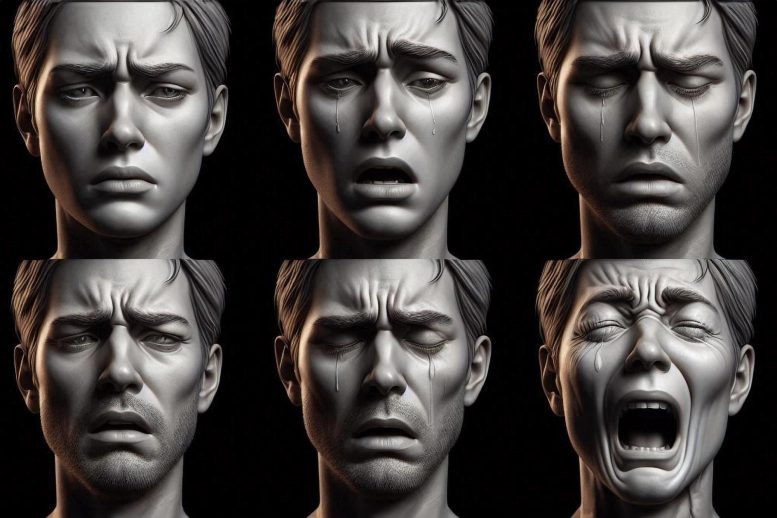
Researchers at Stanford Medicine have identified six biological subtypes of depression using brain imaging and machine learning, paving the way for precision psychiatry. Results indicate that certain antidepressants and behavioral therapies are more effective for specific subtypes, offering hope for more targeted and effective treatment strategies. Credit: SciTechDaily.com
A Stanford Medicine study reveals six subtypes of depression, identified through brain imaging and treatment-resistant depression, meaning multiple kinds of medication or therapy have failed to improve their symptoms. And for up to two-thirds of people with depression, treatment fails to fully reverse their symptoms to healthy levels.
That’s in part because there’s no good way to know which antidepressant or type of therapy could help a given patient. Medications are prescribed through a trial-and-error method, so it can take months or years to land on a drug that works — if it ever happens. And spending so long trying treatment after treatment, only to experience no relief, can worsen depression symptoms.
“The goal of our work is figuring out how we can get it right the first time,” Williams said. “It’s very frustrating to be in the field of depression and not have a better alternative to this one-size-fits-all approach.”
Biotypes Predict Treatment Response
To better understand the biology underlying depression and anxiety, Williams and her colleagues assessed 801 study participants who were previously diagnosed with depression or anxiety using the imaging technology known as functional MRI, or recently published study, Williams and her team showed that using fMRI brain imaging improves their ability to identify individuals likely to respond to antidepressant treatment. In that study, the scientists focused on a subtype they call the cognitive biotype of depression, which affects more than a quarter of those with depression and is less likely to respond to standard antidepressants. By identifying those with the cognitive biotype using fMRI, the researchers accurately predicted the likelihood of remission in 63% of patients, compared with 36%