


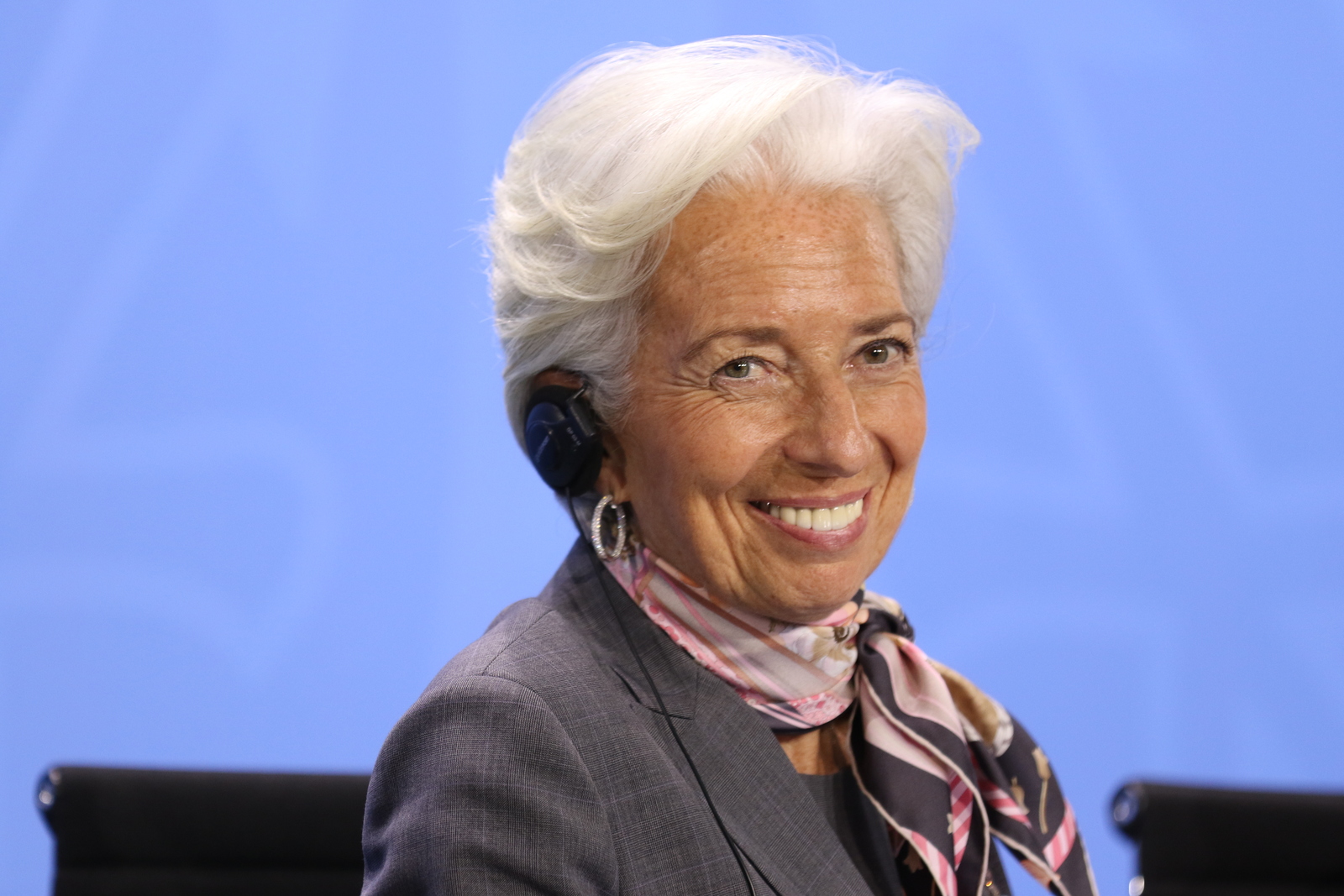
European Central Bank President Christine Lagarde to Depart Early, Sparking Leadership Transition
Christine Lagarde has officially announced her resignation as President of the European Central Bank (ECB), effective February 7, 2027. This decision comes nearly nine months prior to the official end of her non-renewable term, initiating a critical and politically sensitive search for her successor, who will need to garner confidence across the eurozone while safeguarding the ECB’s independence.
The ECB confirmed Lagarde’s resignation following her discussion with the bank’s Governing Council and European Council President António Costa. At this time, no preferred successor has been indicated, nor has a detailed timeline been provided beyond the specified departure date.
Lagarde has led the ECB since November 2019, navigating the institution through a series of significant challenges, including the economic fallout from the COVID-19 pandemic, Russia’s invasion of Ukraine, rising energy prices, and unprecedented inflation levels throughout the euro area.
Her exit signifies much more than just a change in leadership; the successor will face the daunting task of managing a fragile economic landscape while attempting to mitigate renewed inflationary pressures without disproportionately burdening households and businesses already grappling with high energy costs and tighter credit conditions.
Structured Appointment Process with Political Implications
The appointment of Lagarde’s successor lies in the hands of the European Council, drawn from its euro-area representatives. Initially, national governments will propose candidates, followed by a discussion in the Eurogroup. The Council will then issue a recommendation based on these discussions.
Subsequently, the European Parliament and the ECB Governing Council will provide their insights before national leaders finalize the appointment. According to the EU’s appointment process, the chosen candidate must receive support from at least 16 of the euro area’s 21 member states, representing a minimum of 65% of its population.
While the Parliament’s opinion holds considerable weight, it is not binding. This distinction is significant, given the extensive influence the ECB president holds over financial conditions, employment climate, stability of the financial sector, and household savings, despite not being elected directly by the populace.
Public hearings for candidates will enable Members of the European Parliament (MEPs) to scrutinize views on inflation, monetary policy transmission, climate-related financial risks, banking oversight, and the social implications of interest rate changes. A more private or rushed selection process could diminish this accountability.
President Costa has committed to initiating the succession process promptly. This provides a critical window for governments to reach consensus on a candidate and conclude institutional consultations before Lagarde exits Frankfurt.
Navigating Independence Amid Negotiations
Anticipation surrounding this succession has been palpable for months, with discussions hinting at an impending leadership contest within the ECB, raising concerns that the selection might become intertwined with broader negotiations over high-ranking European positions.
As of now, no candidate has been officially nominated in light of Lagarde’s announcement. National governments will undoubtedly weigh various factors, such as professional background, nationality, and geographical representation in EU leadership. However, these considerations should not overshadow the treaty stipulation that the president must be a highly regarded figure with experienced knowledge in monetary or banking affairs.
This leadership transition also presents crucial gender equality considerations. Lagarde, the first female ECB president appointed in 2019, sets a precedent that should encourage a comprehensive list of candidates, rejecting a framework that sees diversity as secondary to political compromises among a select group of nations.
The notion of central bank independence underscores the importance of making interest rate decisions predicated on achieving price stability and economic evidence, rather than yielding to electoral pressures or national self-interest. The selection process must reinforce this principle by ensuring that candidates’ qualifications and policy justifications are made transparent to the public.
Economic Challenges Awaiting the New Leadership
Lagarde’s successor will assume leadership during a time of economic uncertainty. On October 29, the ECB’s Governing Council determined to maintain the deposit rate at 2.50%, the main refinancing rate at 2.65%, and the marginal lending rate at 2.90%.
The bank indicated that surging energy costs pose increasing inflation risks while simultaneously hindering economic growth. Furthermore, tighter financing conditions are impacting mortgages, corporate investments, and access to consumer credit.
These dynamics highlight the inherent limitations of monetary policy. While interest rates can be adjusted to curb demand and stave off entrenched inflation, they lack the capacity to generate energy, fix supply chain issues, or mitigate the impact of sudden price increases on low-income households. Governments must continue to play a vital role in providing targeted social support, investment, and structural economic policy.
The next president of the ECB will play a crucial role in communicating how these trade-offs are articulated and managed, as policy choices directly influence rent, mortgages, wages, employment, and public finances across multiple economies. Lagarde’s planned departure allows an opportunity for a seamless transition. The efficacy of this period will hinge on whether Europe opts for a transparent evaluation of competence or falls into opaque negotiations driven by national interests. The credibility of the eurozone is at stake.







Discussion about this post