









Investment in German Start-ups Expected to Surge
Investments in innovative German start-ups, particularly in sectors such as robotics and defense technology, are projected to experience a remarkable growth, reaching 8.1 billion euros this year, according to a recent study released on Monday.
Hope for Germany’s Economy
This financial influx offers a glimmer of hope for Europe’s largest economy, which is actively seeking new avenues for growth amid challenges faced by traditional industries like automotive manufacturing and chemicals.
Significant Growth in Deep Tech Investments
The study, conducted by the German Start-up Association in collaboration with the Joachim Herz Foundation, forecasts a substantial increase in investments directed towards deep tech start-ups, rising from 2.9 billion euros in the previous year.
The report emphasizes this growth as a significant achievement for Germany as a business hub, stating that it will provide a considerable boost across various sectors.
Understanding Deep Tech
Deep tech refers to companies pioneering groundbreaking technologies that stem from advanced scientific research. This includes areas such as artificial intelligence, biotechnology, and quantum computing.
Driving Forces Behind the Boom
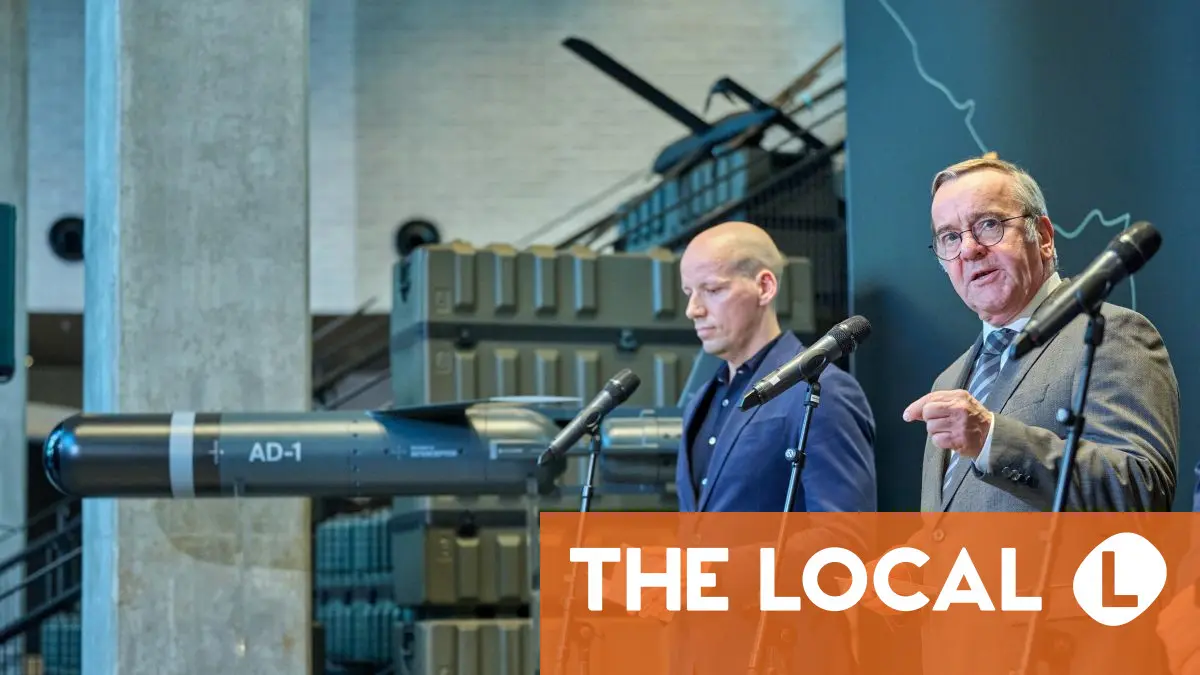
The surge in investments can be attributed to several high-profile fundraising events involving companies like Neura Robotics, which specializes in humanoid robots, AI drone manufacturer Helsing, and defense tech firm Quantum Systems.
Additionally, approximately 300 new deep tech start-ups are anticipated to be established this year, marking a 40 percent increase compared to 2025, according to the study.
Geographic Concentration of Start-ups
These start-ups are primarily concentrated in metropolitan areas such as Berlin, Munich, and Hamburg, where leading universities and research institutions are located.
Challenges Ahead
Despite the optimistic outlook, the study highlights several ongoing challenges. It notes a comparative shortage of funding for deep tech start-ups in Germany when contrasted with the United States, with only 28 percent of investment capital sourced from domestic investors in recent years.
Furthermore, the support for start-ups transitioning their innovations from the lab to market remains inadequate. While universities contribute to research and idea development, there is a notable deficiency in fostering entrepreneurial skills and providing access to customers.
Expert Insights
“Germany possesses exceptional research capabilities across numerous fields,” remarked Sabine Kunst, chair of the board of the Joachim Herz Foundation. “However, we tend to be overly cautious in the application phase, with practical orientation and connections to entrepreneurship remaining secondary concerns in academia,” she added.
This study is based on data collected from founders and executives of German firms by the start-up association.







Discussion about this post