









Ghana’s Revenue Mobilization Faces Significant Challenges, Warns IFS Director
The Executive Director of the Institute for Fiscal Studies (IFS), Dr. Said Boakye, highlighted critical concerns regarding Ghana’s revenue mobilization strategies. He emphasized that the nation is losing out on billions due to issues such as ineffective revenue collection, corruption, revenue leakages, and excessive tax exemptions.
Current Revenue Collection Below Regional Average
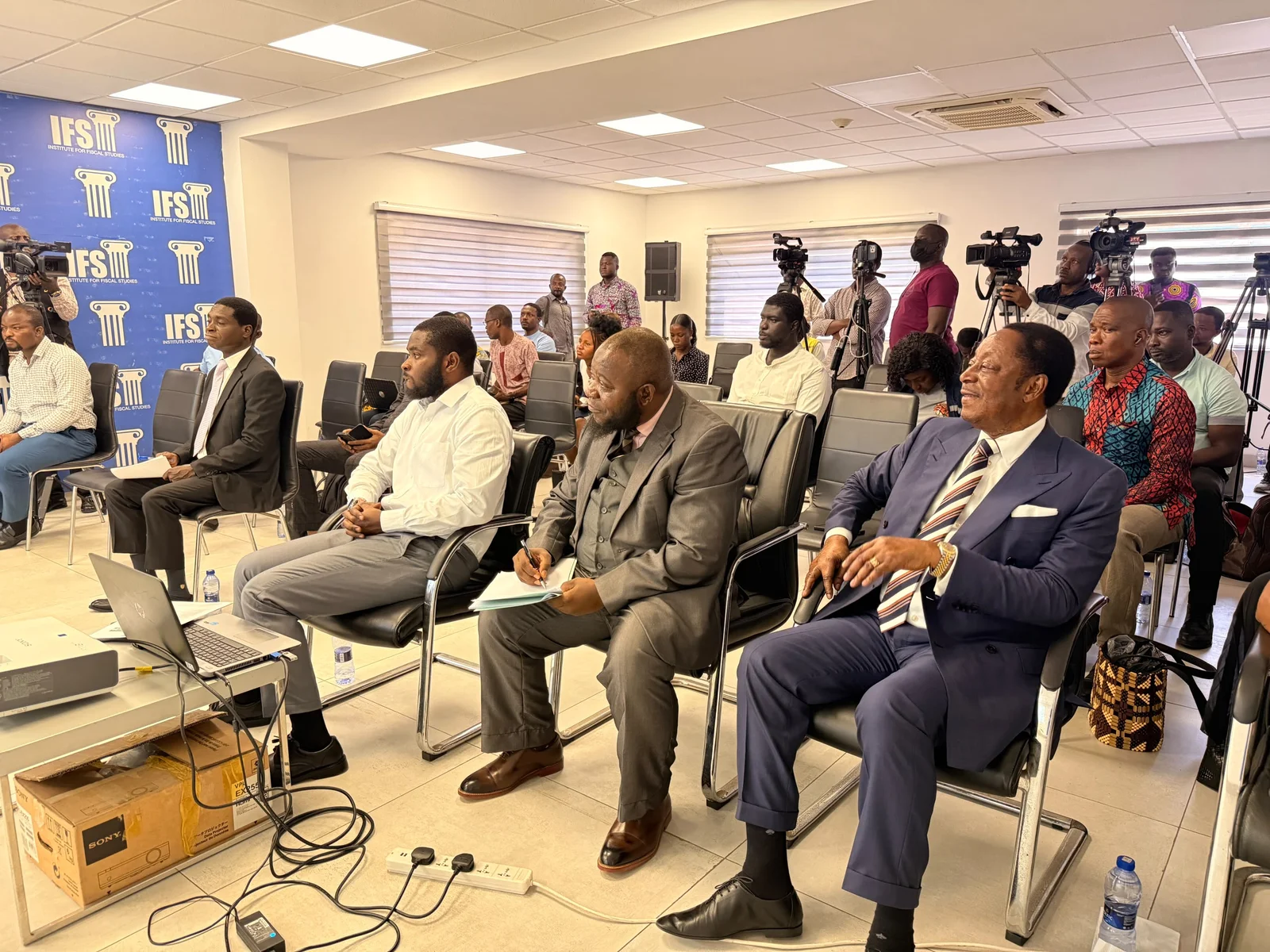
During a presentation at the institute’s headquarters in Accra on November 5, 2026, Dr. Boakye pointed out that Ghana’s revenue collection is substantially lower than that of many other Sub-Saharan African nations. According to the latest IFS policy brief released in October 2026, titled “A Reexamination of the Low Government Revenue Mobilization in Ghana,” the total revenue and grants represent only 15.7% of the country’s Gross Domestic Product (GDP), ranking Ghana 18th among 25 assessed countries in the region.
Significant Revenue Losses Identified
Dr. Boakye explained that this figure falls short of the regional average of 20.1%. For comparison, countries such as Namibia, Seychelles, and Botswana boast GDP revenue ratios of 31.3%, 30%, and 29.5% respectively. He noted that if Ghana had matched the Sub-Saharan average, it could have gathered GH¢288.26 billion in total revenue and grants in 2025—an increase of GH¢63.38 billion over the actual revenue collected.
Consequences of Poor Revenue Mobilization
Dr. Boakye expressed concern that weak revenue mobilization has dire implications for Ghana’s national development. This includes inadequate infrastructure, rising government debt, and low public sector salaries. He cited an infrastructure ranking from the International Institute for Management Development, in which Ghana scored 13.5 points, significantly lower than Botswana’s score of 28.3 and South Africa’s 20.4.
Identifying the Root Causes
Low revenue generation from the extractive sector, revenue leakages, and excessive tax exemptions were identified as three main factors underpinning the country’s revenue challenges. Dr. Boakye stated that despite its substantial mining industry, Ghana has not generated significant revenue from its mineral resources. From 2019 to 2023, the government averaged only 15% of the mining sector’s value added, in stark contrast to Botswana’s figure of 60.9% during the same period.
Specific Revenue Gaps in the Mining Sector
In 2025, Ghana’s mining sector contributed US$13.40 billion in value added, but the government only received US$1.60 billion in revenue. Dr. Boakye indicated that adopting Botswana’s revenue collection model could have led to an additional US$6.56 billion in earnings.
Challenges of Revenue Leakages
Dr. Boakye also focused on revenue leakages, citing tax underreporting and evasion as significant problems. He referred to statements made by the Commissioner-General of the Ghana Revenue Authority, Anthony Sarpong, revealing over GH¢11 billion in losses at the nation’s ports due to misdeclared imports.
Excessive Tax Exemptions Impacting Revenue
The director criticized the consecutive governments’ policies that offered excessive tax incentives to businesses, particularly international firms, which have resulted in considerable revenue losses. He pointed out specific incentives available under the Free Zones Act and the Ghana Automotive Development Policy.
Recommendations for Improvement
To rectify the situation, Dr. Boakye proposed that the government should take a more proactive role in the extractive sector, possibly through direct investments or strategic partnerships, similar to Botswana’s approach. He advocated for introducing production-sharing agreements to enhance earnings from Ghana’s natural resources.
Combating Corruption and Reviewing Tax Exemptions
Further recommendations included strengthening anti-corruption measures within tax-collecting institutions and implementing a rewards system to motivate diligent revenue officials. He also urged a comprehensive review of existing tax exemptions to determine their actual economic benefits.
Conclusion: A Call for Structural Changes
Dr. Boakye maintained that enhancing Ghana’s economic and political climate is essential, advocating for a framework less reliant on tax exemptions to attract both local and international investment.
By: Jacob Aggrey







Discussion about this post