

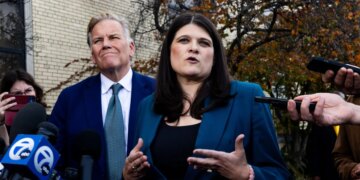



Rep. David Valadao Defends Medicaid Work Requirement Bill Amid Concerns
U.S. Representative David Valadao has defended his vote for legislation that seeks to cut Medicaid spending by billions, emphasizing a key provision he helped secure. This provision mandates some adult beneficiaries to engage in work, volunteering, or education, which Valadao describes as a “reasonable request.”
Potential Exemptions for California’s Central Valley
Voters in Valadao’s Central Valley district, a hotspot for competitive House races, may be exempt from the work requirements embedded in the One Big Beautiful Bill Act, signed by former President Donald Trump last summer. The law, effective January, will necessitate many nondisabled adults enrolled in Medicaid across 43 states and Washington, D.C., to fulfill at least 80 hours of work or educational activities monthly. However, counties with high unemployment rates could be eligible for relief from these mandates.
According to Valadao’s official website, every county in California’s 22nd district currently meets the criteria for this exemption. “This waiver acknowledges real-life conditions and ensures that individuals seeking work but facing limited opportunities are not unduly burdened,” he stated.
Political Landscape and Campaigns
Valadao has previously stated that individuals enrolled in Medicaid—the federal and state program intended to aid low-income and disabled individuals—should contribute through work if capable. The congressman declined to provide further comments when approached for an interview, and his campaign spokesperson, Paige Ash, also refrained from elaborating.
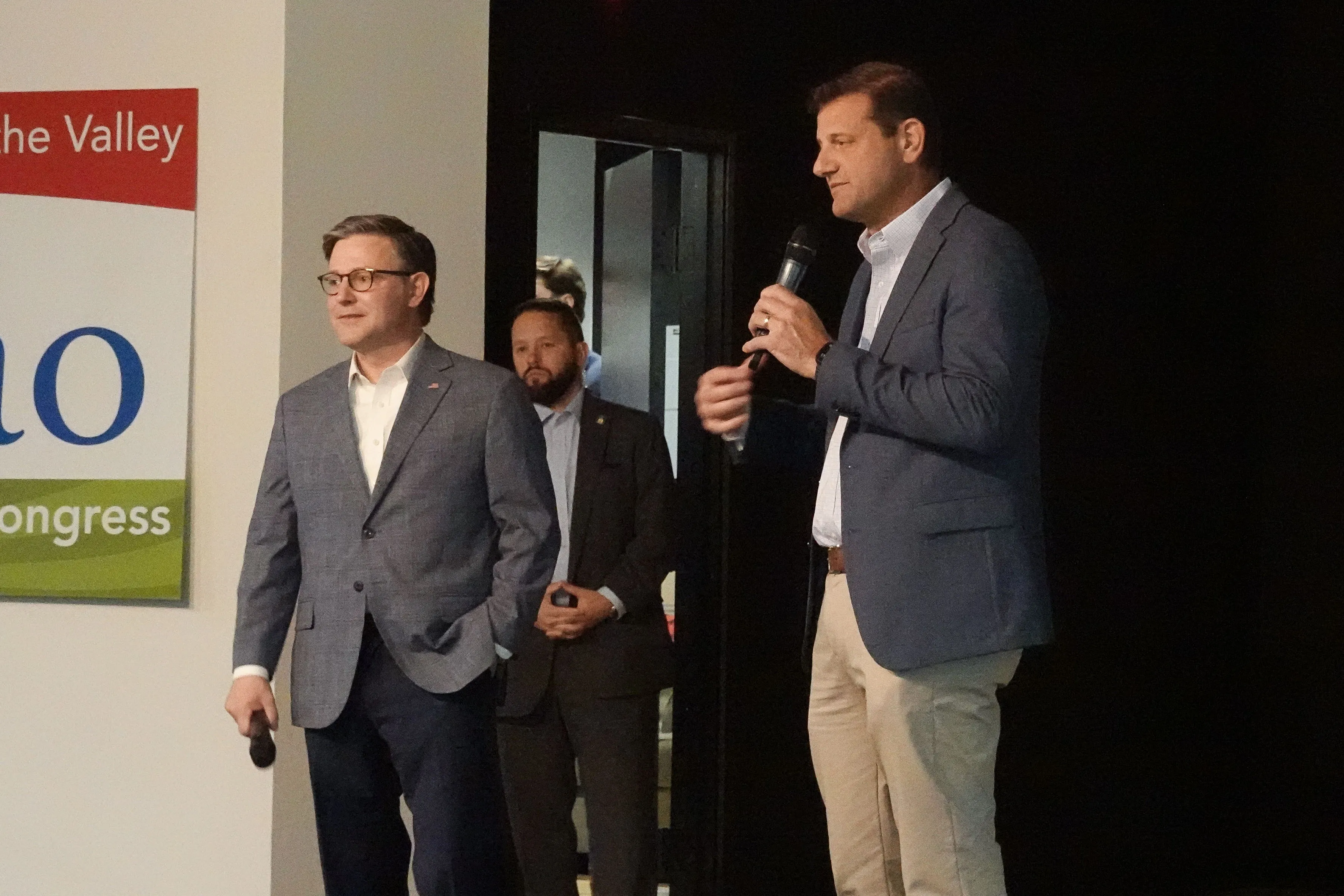
Valadao’s reelection campaign aligns him with at least 21 Republican lawmakers who supported the 2025 GOP bill while representing counties potentially qualifying for the hardship exception, according to a recent KFF Health News analysis.
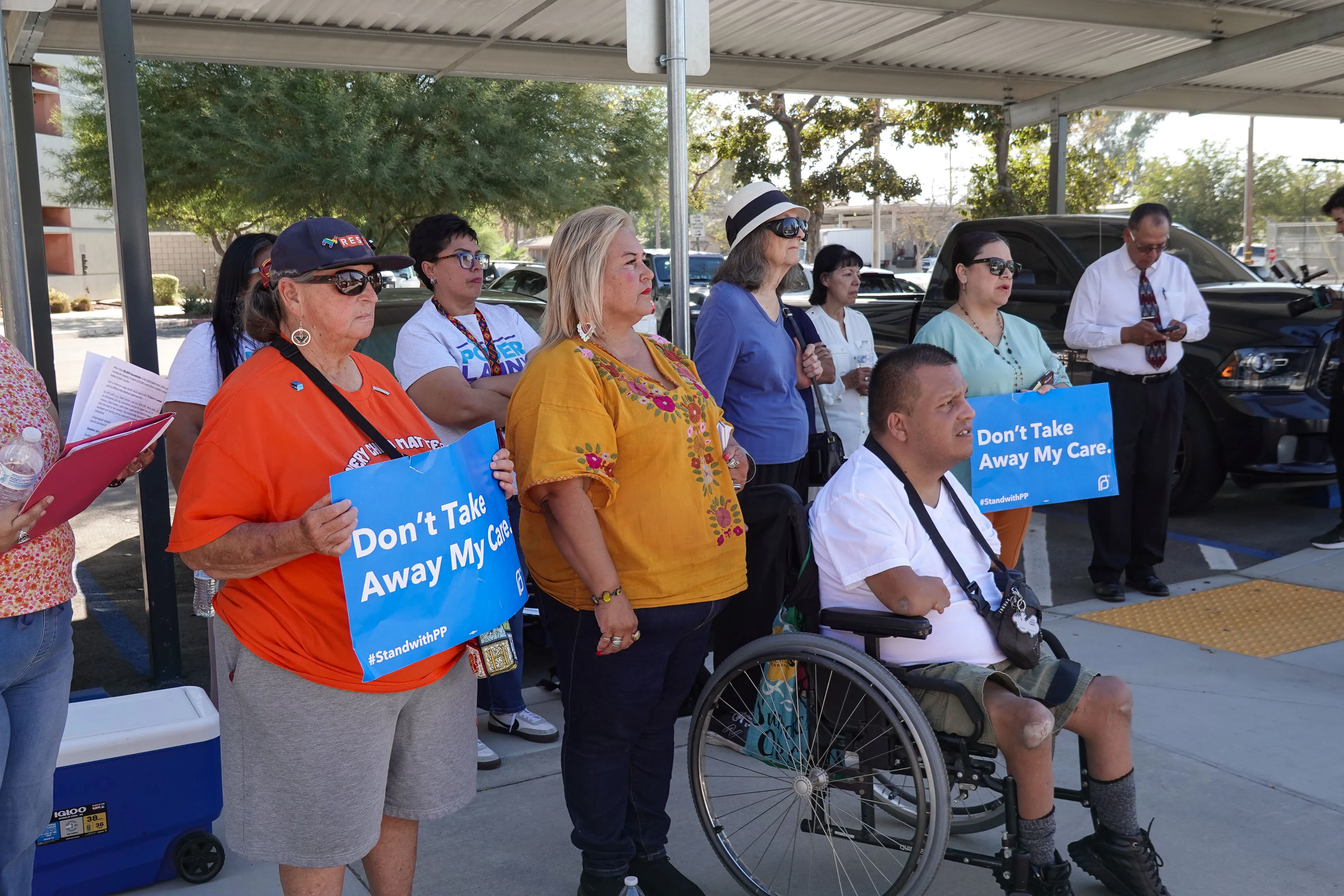
Notably, about 60% of residents in Valadao’s district are enrolled in Medi-Cal, California’s Medicaid program, with projections indicating that an estimated 60,000 additional residents could lose coverage by 2034 due to the ramifications of the One Big Beautiful Bill and the cessation of enhanced premium tax credits from the Affordable Care Act.
Miranda Yaver, an assistant professor of health policy and management at the University of Pittsburgh, criticized the political implications of the legislation, analogizing it to “an arsonist trying to take credit for putting out a fire they ignited.”
Election Dynamics and Opposition
Facing Democratic challenger Randy Villegas in a district that has shifted toward blue in recent redistricting, Valadao’s campaign is bracketed by over $16 million in advertising from both parties as the election day nears. Democratic candidates, including Villegas, are leveraging Republican votes on Medicaid as a focal point of their campaigns, highlighting that many enrollees are already engaged in work, disability, or caregiving roles.
The recent legislation allows states to request a temporary hardship exception for beneficiaries residing in counties where the unemployment rate exceeds 8% or is 1.5 times the national average, whichever is lower. However, there are uncertainties regarding the implementation of these relief measures by the Trump administration.
Some states have yet to initiate their applications for the hardship exemption. Five Democratic-led states have approached the federal government seeking delays in the work requirements, citing insufficient time for compliance before the year’s end.
The federal Centers for Medicare & Medicaid Services (CMS) indicated that states may submit data on unemployment from “reliable” sources, including their labor departments, though specifics on the required time frame for this data are still unclear.
Unemployment can be reported based on various metrics, influencing how counties qualify for exemptions. According to a KFF analysis, using July 2026 unadjusted rates, 95 counties would qualify, while a 12-month average increases that number to 120.
“The choice of data is significant,” noted Jennifer Tolbert, deputy director at KFF’s Program on Medicaid and the Uninsured, and emphasized that many elements surrounding the implementation remain uncertain.
A total of 64 counties are likely qualifying under high unemployment rates no matter the data used. The majority of these counties are represented by Republican lawmakers. CMS has yet to disclose details about the duration of exceptions or which states have submitted applications for hardship.
California has requested extended time to comply, aiming to use state unemployment data which they argue is more current than federal statistics. State officials await a response regarding their request and need further clarification on the duration of potential exemptions, according to Griselda Melgoza from the California Department of Health Care Services.
While liberal states like California strive for exceptions to mitigate the impact of the new regulations, Yaver believes any exemptions may play into Republican advantages politically in future scenarios. “I predict that exemptions and selective burden reductions could obscure the law’s full impact, potentially misleading voters about its reach,” she stated.





Discussion about this post