









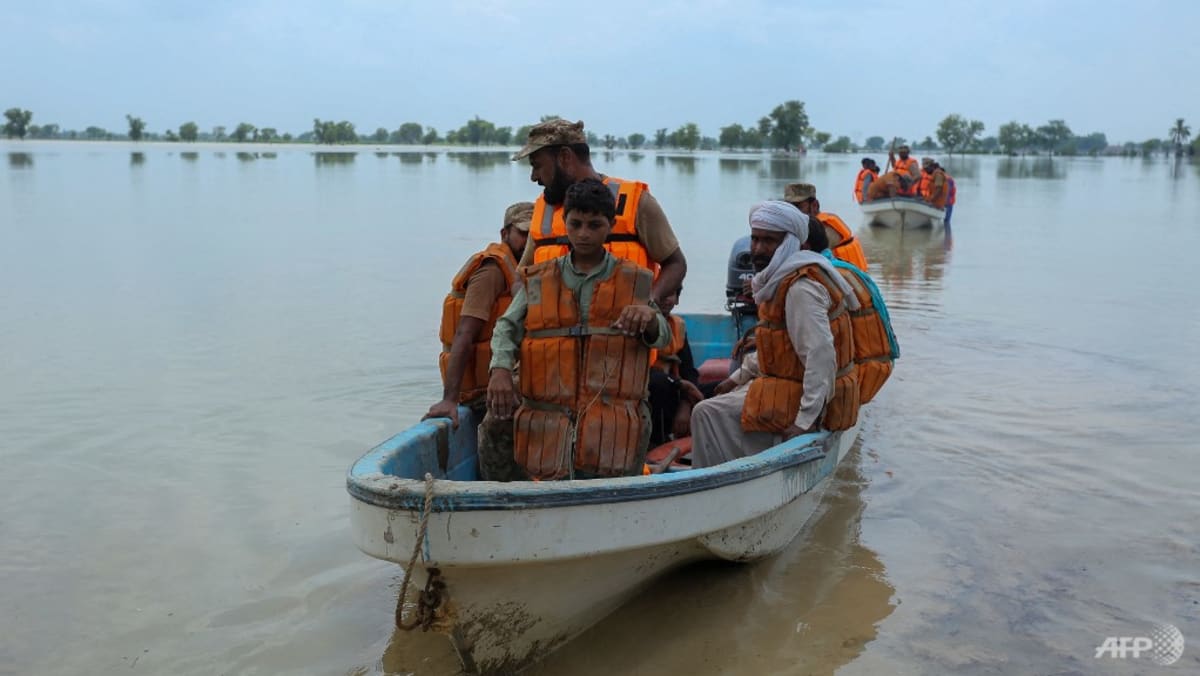
He said massive progress needs to be made in terms of decarbonising in the next decade, and governments need to make use of the renewable technologies at hand.
“The really big message here is: renewables and storage are getting cheaper day by day and that is the big hope in terms of rapid decarbonisation and rapid reduction in emissions, particularly in fossil fuels,” Prof Howden said.
There is a need to put more pressure on governments to take scientific reports seriously, and put the reduction of greenhouse gas emissions as their number one priority, said Prof Bezner Kerr.
“At the moment, while there is some progress in some countries, it’s not occurring at the global scale and at the pace that is needed. And so I think that has to be a critical part of next year’s COP,” said Prof Howden.
Other items to look out for at COP28 next year in oil-rich Dubai will include food security, and the financing and implementation of the loss and damage fund. Making carbon trading arrangements to ensure there is no double counting and problematic dealings in the system is also high on the agenda.
Experts said that nations need to kick up their heels as addressing climate change gets more challenging each year.
“The wealthier countries need to step up and show leadership, putting money where they put commitments, and increasing the commitments to address adaptation needs, as well as mitigation and listening to those groups that are most impacted by climate change,” said Prof Bezner Kerr.









Discussion about this post