
• Home
  • Insight
  • Blog
  • Business
  • Entertainment
  • Health
  • Politics
  • Shop
    • Gift Shop
    • Value Shop
    • Store
    • Bargain Shop
    • Discount
  • Sports
  • Tech
  • Travel
  • USA
  • Video
  • World
    • Asia
    • Africa
    • South America
    • North America
    • Europe
    • Oceania
Wednesday, October 7, 2026
No Result
View All Result
Subscribe Now
  • Home
  • Insight
  • Blog
  • Business
  • Entertainment
  • Health
  • Politics
  • Shop
    • Gift Shop
    • Value Shop
    • Store
    • Bargain Shop
    • Discount
  • Sports
  • Tech
  • Travel
  • USA

    Washington state man charged with helping Canadian mass shooter plan for attack

    Border Security, Public Safety, and American Sovereignty with Markwayne Mullin

    Students injured as NJ high school bleachers collapse in scary scene

    California man in incest case busted in Mexico; teen daughter rescued

    Cornell president calls gang rape allegations ‘deeply disturbing’ : NPR

    France’s violent student protests raise warning for America: ‘A cautionary tale’

    Birmingham’s WBHM Public Radio Station Forced to Use “Gulf of America”

    Eminem gets online backlash from fans over Kid Rock Christian album collab

    Trump leans into Iran war, admits it could cost Republicans the midterms

  • Video
  • World
    • Asia
    • Africa
    • South America
    • North America
    • Europe
    • Oceania
The Insight Post
  • Home
  • Insight
  • Blog
  • Business
  • Entertainment
  • Health
  • Politics
  • Shop
    • Gift Shop
    • Value Shop
    • Store
    • Bargain Shop
    • Discount
  • Sports
  • Tech
  • Travel
  • USA

    Washington state man charged with helping Canadian mass shooter plan for attack

    Border Security, Public Safety, and American Sovereignty with Markwayne Mullin

    Students injured as NJ high school bleachers collapse in scary scene

    California man in incest case busted in Mexico; teen daughter rescued

    Cornell president calls gang rape allegations ‘deeply disturbing’ : NPR

    France’s violent student protests raise warning for America: ‘A cautionary tale’

    Birmingham’s WBHM Public Radio Station Forced to Use “Gulf of America”

    Eminem gets online backlash from fans over Kid Rock Christian album collab

    Trump leans into Iran war, admits it could cost Republicans the midterms

  • Video
  • World
    • Asia
    • Africa
    • South America
    • North America
    • Europe
    • Oceania
No Result
View All Result
No Result
View All Result
Home Energy

Guest post: The role of ‘blue carbon’ in addressing climate change

by Theinsightpost
May 29, 2024
in Energy
0 0
0
Guest post: The role of ‘blue carbon’ in addressing climate change

Within the ocean’s vast expanse lie immense reservoirs of carbon – surpassing those found in either the atmosphere or the land. 

The ocean actively captures and incorporates carbon through various natural mechanisms, locking in a significant portion that would otherwise circulate within the Earth’s systems, thereby functioning as a continuous carbon sink.

This crucial role mitigates climate change by reducing the amount of carbon which ends up in the atmosphere. If the ocean remains as a net carbon sink, it can aid in offsetting ongoing emissions and slowing global warming.

Unfortunately, a longstanding misconception persists that the ocean has an infinite resilience to human exploitation and negligence – likely stemming from the fact that the consequences of our actions are obscured beneath the surface. 

Unsustainable use of the ocean’s resources – such as through overfishing – coupled with warming and acidification progressively erode the ocean’s capacity to regulate carbon and heat and its ability to sustain essential resources and services. 

Consequently, rates of carbon sequestration are weakening and the vast carbon reserves held within marine ecosystems are increasingly susceptible to release. 

This guest post lays out the climate opportunities presented by “blue carbon” and the challenges these ecosystems face. 

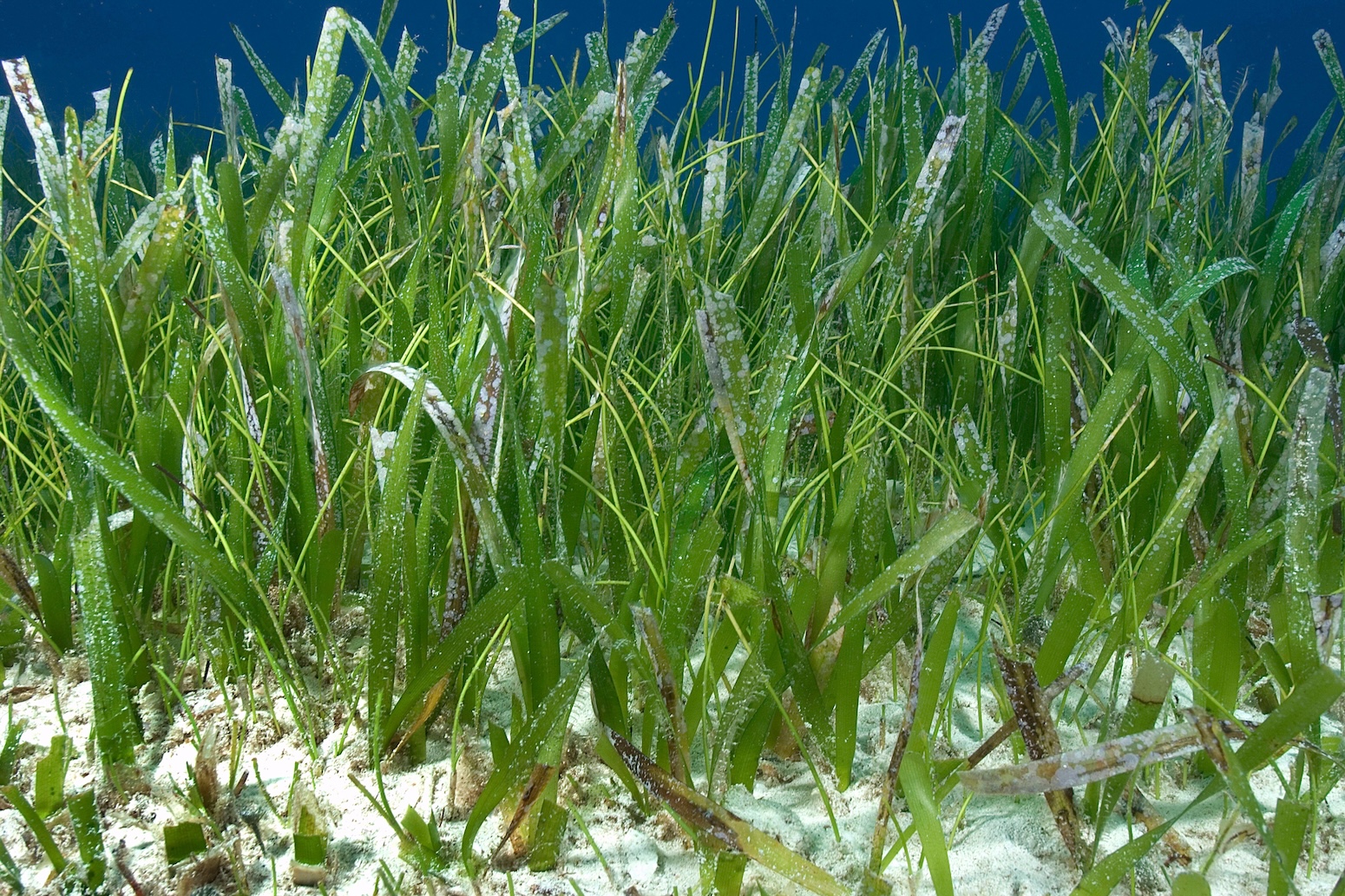
Blue carbon is a term that refers to carbon captured by the world’s ocean and coastal ecosystems that has potential to be conserved or enhanced. Blue carbon is stored in vegetated coastal and marine ecosystems such as seagrass, mangroves and salt marshes. 

The opportunity of coastal ecosystems

Coastal ecosystems – particularly vegetated ones, such as mangroves, seagrasses and salt marshes – are among the most crucial marine systems for storing carbon. Like plants on land, marine vegetation absorbs CO2 through photosynthesis. Because their waterlogged soils are low in oxygen, the carbon stored there can be locked away for centuries.

Despite only occupying approximately 0.5% of the ocean, these ecosystems boast remarkable carbon sequestration capabilities, contributing more than 50% of total carbon buried in marine sediments.

However, these vital ecosystems also face relentless human-caused pressures, from runoff of nutrients and sediments to urban expansion. They are being destroyed at an alarming pace – an average of 2% loss per year for mangroves – and are among the most threatened ecosystems on the planet. 

Nevertheless, amidst this threat lies an opportunity: by reversing the conditions that are causing their decline, we can restore lost ecosystems and harness their potential as carbon sequestration hotspots once more.

The chart below shows the annual carbon storage potential of coastal ecosystems around the world, with yellow and light green indicating low storage potential and darker blues indicating high storage potential. The US, Mexico, Australia, Indonesia and Mexico stand out as countries with particularly high storage potential.    

Map of global blue carbon stocks (in millions of tonnes of carbon), with yellow and green colours representing lower amounts of blue carbon storage potential and blues indicating higher amounts of storage potential. Source: Bertram et al. (2021)

Managing coastal vegetated ecosystems to enhance carbon sequestration, often referred to as “blue carbon”, represents a valuable nature-based strategy for mitigating climate change. 

While the amount of carbon that is offset through these methods is estimated to be at least an order of magnitude below other mitigation approaches – such as ocean alkalinisation and direct carbon capture and storage – they have additional benefits. 

These ecosystems also enhance adaptation by stabilising coastlines, safeguarding against erosion and storms, enhancing water quality and nurturing marine life – thus promoting biodiversity through the provision of shelter, food and nursery grounds.

Climate and biodiversity

Blue carbon is a prime example of how climate change and the alarming decline in global biodiversity are connected. 

Initiatives focused on blue carbon restoration – such as the “Mangroves for Coastal Resilience” project in Indonesia, the largest such initiative in the world – not only enhance carbon sequestration, but also reverse habitat loss and bolster biodiversity. Safeguarding marine biodiversity can also help secure the long-term well-being and prosperity of people whose lives and livelihoods are tightly linked to the oceans. 

For example, declines in marine biodiversity undermine ecosystem resilience, heightening vulnerability to environmental disturbances and impacting economies reliant on marine resources. Loss of species degrades the food webs underpinning fisheries, jeopardising food security and livelihoods. 

Furthermore, biodiversity loss directly compromises human health by fostering the emergence of zoonotic diseases that pass from animals to humans, diminishing water quality and impeding the exploration of new pharmaceuticals and treatments. 

Protecting communities

Coastal restoration projects are already being carried out around the world, from small, local projects to larger initiatives.

They also encompass a range of activities, from planting new mangrove trees to managing tidal flows.

There are several crucial factors that demand careful consideration before implementing such a project. 

Among these is the need to prioritise the protection of intact ecosystems. By safeguarding these areas, we can prevent the loss of carbon they have already sequestered and sidestep the time lag associated with re-establishing vital ecosystem services following habitat restoration. 

Additionally, it is imperative to address the underlying pressures contributing to ecosystem loss, such as sewage discharge and agricultural runoff. 
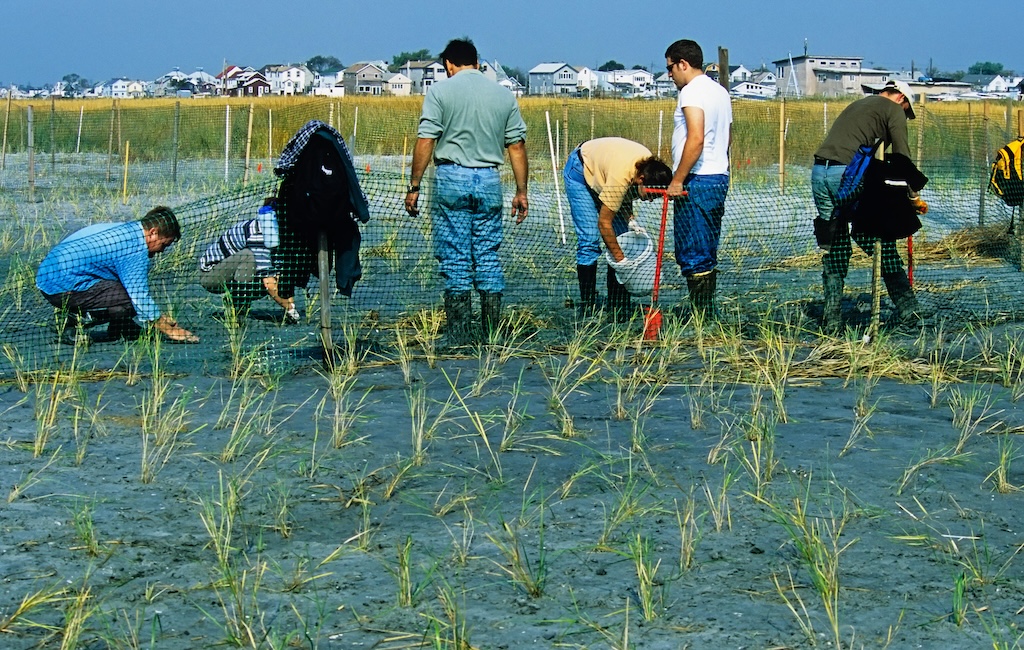
Volunteers planting spartina grasses at a salt marsh restoration event, Jamaica Bay Wildlife Refuge.
Volunteers planting spartina grasses at a salt marsh restoration event, Jamaica Bay Wildlife Refuge. Credit: Johann Schumacher / Alamy Stock Photo.

Restoration efforts must also be designed to withstand potential future challenges, such as changing land-use patterns and the projected impacts of climate change. Proactive measures to safeguard and restore coastal ecosystems should account for these complex and dynamic factors to ensure their long-term success and resilience in the face of ongoing environmental changes.

Local engagement and support for blue carbon initiatives are also needed because coastal communities often directly interact with these ecosystems for livelihoods, fishing, tourism and protection from natural disasters. Engaging these communities ensures that conservation efforts are sustainable. Additionally, tapping into the knowledge and expertise of local communities about coastal ecosystems is essential for informed decision-making. 

Integrating carbon sequestration goals with other conservation and management objectives, such as sustainable fisheries and coastal resilience, is possible by empowering local communities to lead blue carbon initiatives. This can help ensure social equity, address economic opportunities and reduce conflicts over resource use. 

Ultimately, garnering people’s buy-in for blue carbon solutions is essential for their effectiveness, sustainability and equitable distribution of benefits.

Considering marine sediment

Blue carbon “solutions” can be regarded as any intervention which aims to enhance the ocean’s natural capacity to store and sequester carbon. 

As such, one might consider the management of commercial species and natural populations to increase the biomass of, and thereby carbon contained in, marine organisms. Managing interactions with the seabed can also be an important blue carbon solution.

Recent estimates suggest marine sediments are the largest store of organic carbon on the planet. Therefore, activities which disrupt them, such as bottom trawling or deep-sea mining, may be stirring up this sediment and leading to carbon being released back to the atmosphere. 

Although the full picture has yet to emerge, examining the impacts of where and how trawling is conducted allows us to make choices informed by all of the potential impacts. And before deep-sea mining activities are further scaled up, a more comprehensive understanding of their impacts is vital. 

Sharelines from this story

ShareTweetSend
Previous Post

Xénia Lucie Laffely – BOOOOOOOM! – CREATE * INSPIRE * COMMUNITY * ART * DESIGN * MUSIC * FILM * PHOTO * PROJECTS

Next Post

Watch Out for These 1031 Exchange Nuances That Could Ground Your Deal to a Halt

Related News

Energy

Analysis: Wind and solar save UK from gas imports worth £5.9bn during Hormuz crisis

September 30, 2026
Energy

Analysis: Lula presidency saved at least 20,000km2 of Brazilian Amazon since 2022

September 28, 2026
Energy

‘Concerning’ low sea ice persists as Antarctic hits third-lowest winter peak

September 25, 2026
Energy

Analysis: EVs are now nine times cheaper than petrol or diesel to drive in the UK 

September 24, 2026
Next Post
Watch Out for These 1031 Exchange Nuances That Could Ground Your Deal to a Halt

Watch Out for These 1031 Exchange Nuances That Could Ground Your Deal to a Halt

Discussion about this post

Subscribe To Our Newsletters

    Customer Support


    1251 Wilcrest Drive
    Houston, Texas
    77042 USA
    Call-832.795.1420
    e-mail – news@theinsightpost.com

    Subscribe To Our Newsletters

      Categories

      • Africa
      • Africa-East
      • African Sports
      • American Sports
      • Arts
      • Asia
      • Australia
      • Business
      • Business Asia
      • Business- Africa
      • Canada
      • Defense
      • Education
      • Egypt
      • Energy
      • Entertainment
      • Europe
      • European Soccer
      • Finance
      • Germany
      • Ghana
      • Health
      • Insight
      • International
      • Investing
      • Japan
      • Latest Headlines
      • Life & Living
      • Markets
      • Mobile
      • Movies
      • New Zealand
      • Nigeria
      • Politics
      • Scholarships
      • Science
      • South Africa
      • South America
      • Sports
      • Tech
      • Travel
      • UK
      • USA
      • Weather
      • World
      No Result
      View All Result

      Recent News

      Boxing legend Mike Tyson talks going to juvie and trading cigarettes for cookies as a young boy

      October 7, 2026

      Hogbetsotso 2026 to promote tourism, local businesses

      October 7, 2026

      Mikel Arteta’s new contract: The challenges facing Arsenal boss as he enters ‘step five’ of his project | Football News

      October 7, 2026

      Spotify expands audiobooks to over 180 markets

      October 7, 2026
      • Home
      • Advertise With Us
      • About Us
      • Corporate
      • Consumer Rewards
      • Forum
      • Privacy Policy
      • Social Trends

      Theinsightpost ©2026 | All Rights Reserved. Theinsightpost is an Elnegy LLC company, registered in Texas, USA

      Welcome Back!

      Login to your account below

      Forgotten Password?

      Retrieve your password

      Please enter your username or email address to reset your password.

      Log In

      Add New Playlist

      We are using cookies to give you the best experience on our website.

      You can find out more about which cookies we are using or switch them off in .

      No Result
      View All Result
      • Home
      • Insight
      • Blog
      • Business
      • Entertainment
      • Health
      • Politics
      • Shop
        • Gift Shop
        • Value Shop
        • Store
        • Bargain Shop
        • Discount
      • Sports
      • Tech
      • Travel
      • USA
      • Video
      • World
        • Asia
        • Africa
        • South America
        • North America
        • Europe
        • Oceania

      Theinsightpost ©2026 | All Rights Reserved. Theinsightpost is an Elnegy LLC company, registered in Texas, USA

      The Insight Post
      Powered by  GDPR Cookie Compliance
      Privacy Overview

      This website uses cookies so that we can provide you with the best user experience possible. Cookie information is stored in your browser and performs functions such as recognising you when you return to our website and helping our team to understand which sections of the website you find most interesting and useful.

      Strictly Necessary Cookies

      Strictly Necessary Cookie should be enabled at all times so that we can save your preferences for cookie settings.

      Cookie Policy

      More information about our Cookie Policy

      Clear examples do more than decorate an explanation: they show how an idea behaves under recognizable conditions. In education and software documentation alike, strong illustrations begin with a defined goal, then reveal the steps, assumptions, and result without unnecessary detail. A practical test example should state the input, expected output, and boundary condition, because these elements show whether a rule works beyond the simplest case. Including a contrasting case also helps readers distinguish a valid application from a tempting but incorrect one, while concise notes explain why the outcomes differ. When examples are updated with current data and checked against the underlying rule, they remain useful across classrooms, product guides, and professional training.