









Key Points
- Amina Elshafei’s culinary journey blends Korean and Egyptian influences.
- Her family dinners growing up often featured a mix of non-Korean mains alongside kimchi.
- As the festive season approaches, she suggests exploring Korean seafood dishes.
To the initial surprise of some viewers, the hijab-wearing contestant showcased a deep knowledge of Korean cuisine.
Amina Elsahfei Source: Supplied / Amina Elshafei
Growing up in a cultural ‘milkshake’

She visited South Korea in the past and was inspired by the cuisine. Source: Supplied / Amina Elshafei
Ms Elshafei reminisces about her childhood dinner table – some nights would be Korean, others Egyptian, Middle Eastern or Australian-inspired meals including Italian dishes.
This practice of eating kimchi along with Western foods such as pizza, pasta and steaks is widespread in South Korea.

Amina Elshafei celebrating her second birthday by wearing hanbok, a traditional Korean dress. Source: Supplied / Amina Elshafei
From experimentation to expertise
“I love jjajangmyeon (noodles with black bean source). I love jjambbong (Korean seafood spicy noodles). They are some of my favourites. I love, especially in summer, a really cold naengmyeon (cold noodles in chilled broth), or a really spicy bibimguksu (spicy mixed noodles),” she said.

A non-spicy Korean noodle dish prepared by Amina Elshafei. Source: Supplied / Amina Elshafei
While she was instantly attracted to Korean cuisine’s blend of salty, sweet and spicy elements, she said she also fell in love with Egyptian cooking.
It holds a special place in her heart alongside other favourites like foul medames, a breakfast essential made from stewed fava beans, and koshari, a distinctive vegan delight layered with soft lentils, buttery rice, pasta, all brought together with a tantalising garlicky coriander vinaigrette and a zesty, spicy tomato sauce.
Amina’s dinner table
She said she was introducing her children to other Korean cuisine such as kimchi fried rice, bibimguksu, and doenjang jjigae (fermented soybean paste stew), preparing them in a mild, non-spicy version – an ideal introduction to Korean food for beginners, especially for children.

Amina Elshafei holds her daughter, Aya. Credit: Supplied / Amina Elshafei
While finding Korean ingredients was a challenge when her parents first migrated to Australia, she said availability had significantly improved.
“Go there now and there’s like three Korean grocers. You can go to Strathfield and Eastwood (popular Korean enclaves), or even walk through Woollies and Coles and you see on the shelves gochujang (Korean chili paste), and all different types of ramyen (instant noodles). It’s fantastic to see this exposure.”
Korean seafood recipes for Christmas?
Despite the prevailing love for Korean barbecue and meat dishes in Australia, she advocated shifting the focus to seafood.

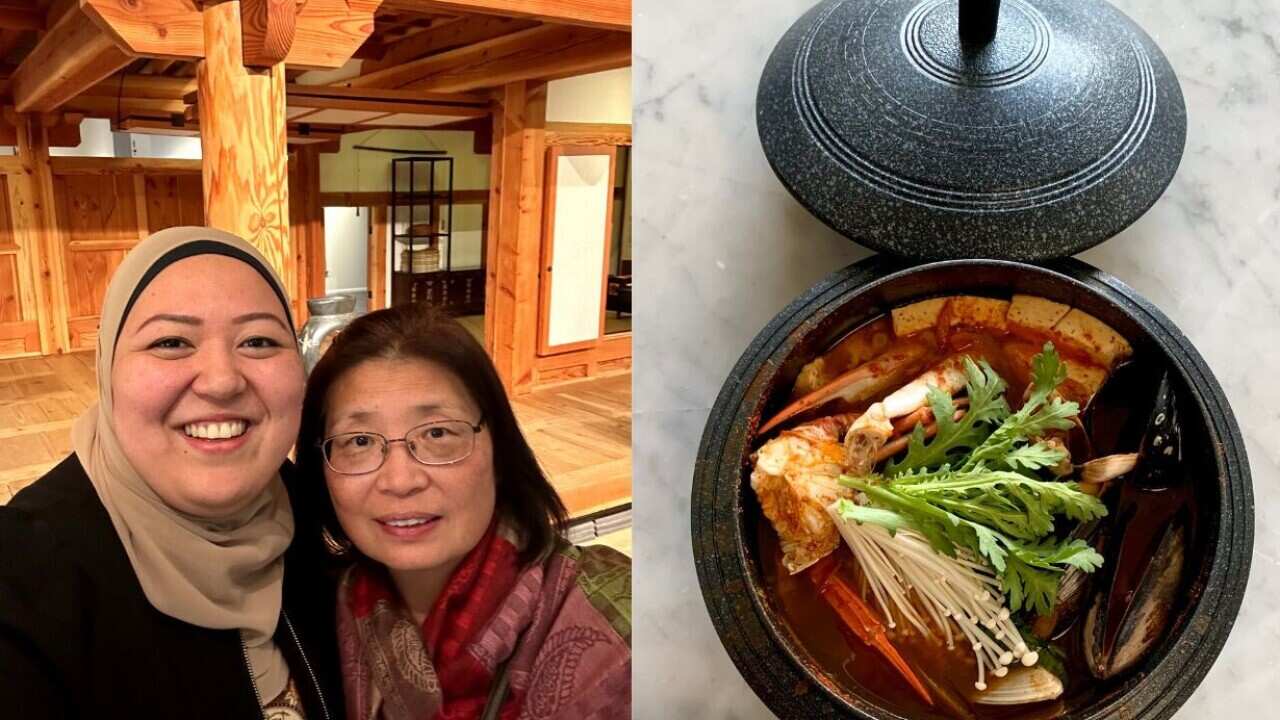
Amina Elshafei says a Korean seafood stew can be a great option for the festive period. Source: Supplied / Amina Elshafei
As South Korea is surrounded by water, she said it had an abundance of recipes that paired wonderfully with Australia’s plentiful seafood produce.
“If you have people coming over for Christmas or New Year’s and you make haemultang (Korean spicy seafood stew), everyone’s sitting around it, you know, it’s so lovely. Everyone just digs into this one beautiful stew of seafood. It’s fantastic.“










Discussion about this post