




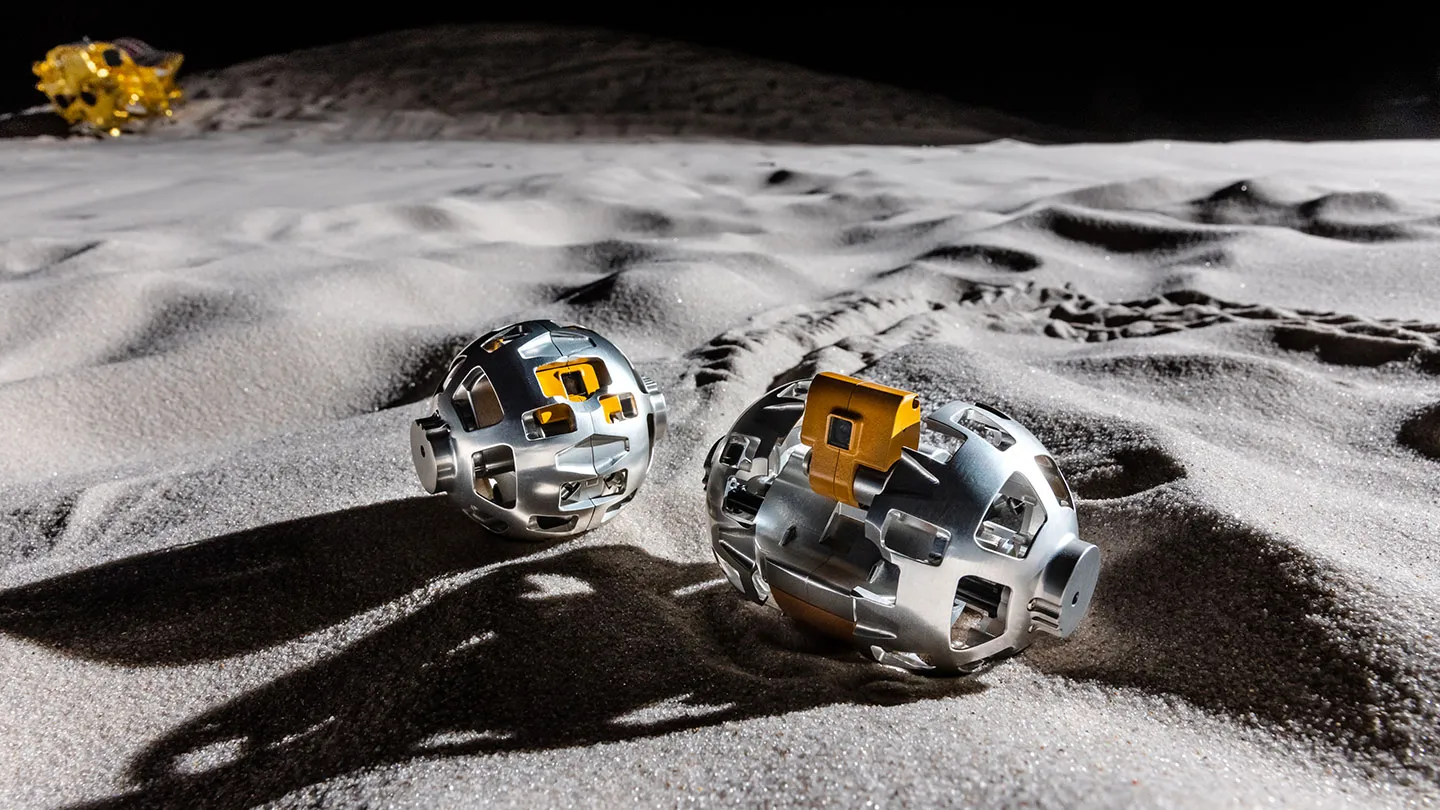
NASA’s Innovative Rover Inspired by Children’s Toys
The National Aeronautics and Space Administration (NASA) is making headlines with the development of a groundbreaking rover, creatively inspired by children’s toys. This innovative vehicle aims to explore the lunar surface, enhancing our understanding of the Moon and paving the way for future space missions.
Engineering Breakthroughs in Lunar Exploration
The engineering team utilized advanced **aerospace** techniques to create a rover that is not only functional but also engaging. This playful design acknowledges that curiosity and creativity are essential for fostering interest in space exploration, especially among younger generations. By merging engineering with elements of play, NASA hopes to inspire the next wave of scientists and engineers.
Features of the Toy-Inspired Rover
The space-faring rover is designed to navigate the uneven **terrain** of the Moon, featuring specially engineered wheels that provide optimal **traction** on the regolith, the Moon’s dusty surface. Its adaptable design allows it to maneuver through various obstacles while collecting crucial data on lunar conditions.
The Role of Robotics in Space Missions
Equipped with state-of-the-art robotic technology, the rover can **steer** autonomously, performing tasks without direct human input. This capability reflects the advancements in **robotics** that empower machines to operate independently in challenging environments. The collaboration of roboticists and aerospace engineers has led to the creation of a system that is both efficient and reliable.
Future Implications for Mars Exploration
While the rover’s primary mission centers on lunar exploration, its design and technological advancements may also serve as a blueprint for future missions to Mars. The lessons learned from operating this toy-inspired rover could provide invaluable insights into navigating the Red Planet’s complex landscapes.
Conclusion
This innovative approach to rover design underscores NASA’s commitment to advancing space exploration technology while fostering a sense of wonder in the public, especially among children. As the agency continues to push the boundaries of science and engineering, the hope is that initiatives like these will ignite a passion for space in future generations, inspiring a new era of discovery beyond our world.







Discussion about this post