



This article has been sponsored and tailored specifically by the Tokyo Metropolitan Government’s Tokyo Updates website.
Innovative Accessibility Through Coded Braille Blocks
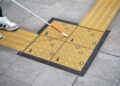
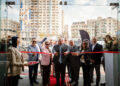
In an effort to improve navigation for individuals with visual impairments, a new system is being launched at 21 locations across Japan, including Setagaya City Hall in Tokyo. This system, developed by W&M Systems LLC, allows users to receive audio instructions about their surroundings by scanning coded braille blocks with their smartphones.
The Evolution of Braille Infrastructure
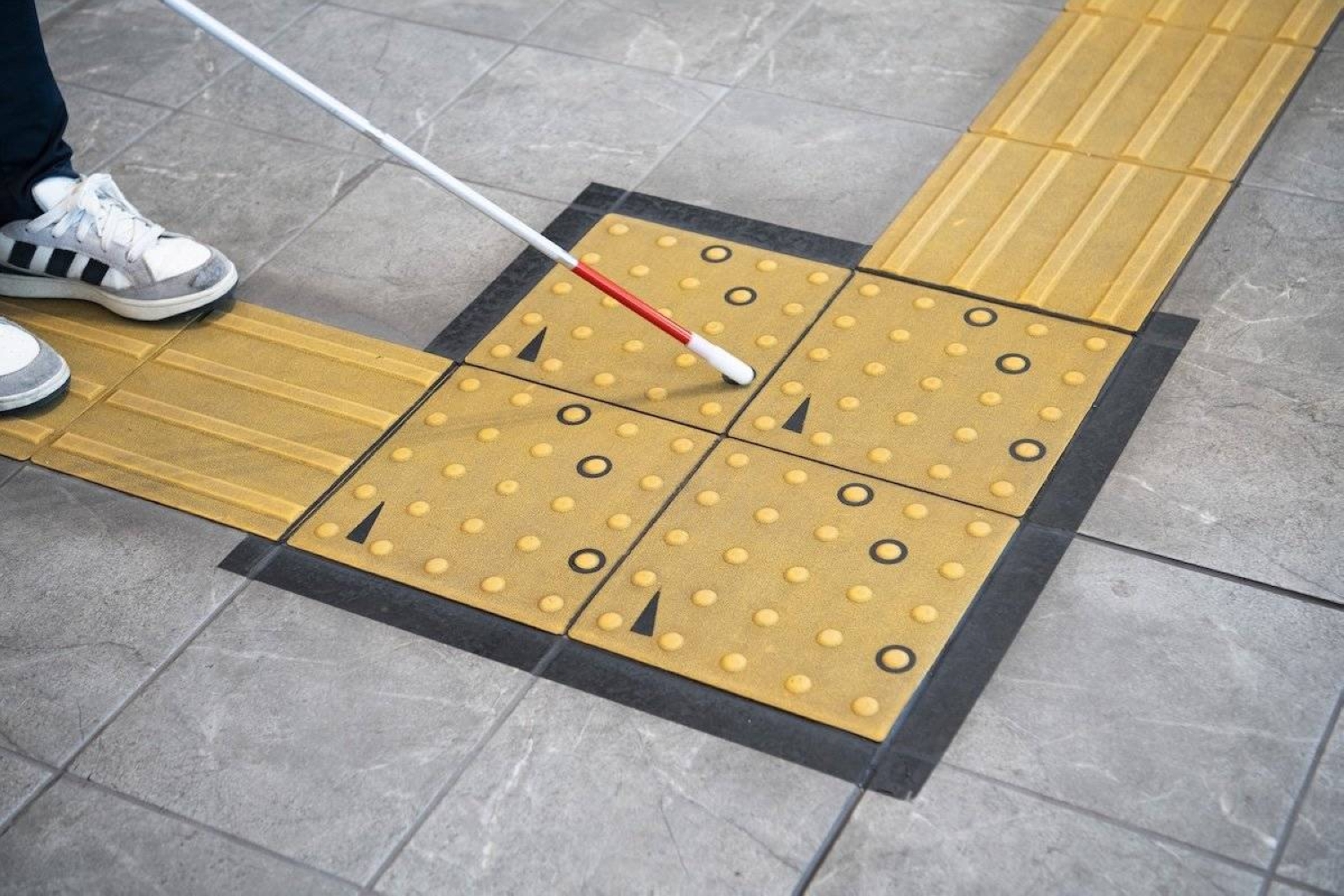
The concept of braille blocks, designed to aid mobility for visually impaired individuals, dates back to 1967 in Okayama Prefecture. These blocks feature raised lines and dots to guide users safely. Hiroyasu Takayama, CEO of W&M Systems, recognized the potential to enhance this traditional infrastructure.
Inspired by a sensor created to communicate with his mother, who suffered from a rare illness, Takayama aimed to adapt this technology for the visually impaired. This sensor played pre-recorded messages when it touched specially coded paper, leading Takayama to envision a similar system for navigating urban environments.
Refining the Navigation Tool
Initially, the team experimented with integrating sensors into white canes. However, practical challenges such as maintenance and durability led them to explore alternative solutions. By focusing on the braille blocks themselves, they developed a system where users could scan raised bumps resembling QR codes, creating over 30 million unique identifiers.

CEO Takayama Hiroyasu of W&M Systems explaining the role of the white cane. | Katsuya Inoue
Technological Breakthroughs in Navigation
The transition from a cumbersome setup involving cords and external devices to a streamlined application was crucial. With insights from Professor Kunio Matsui of the Kanazawa Institute of Technology, the team developed “Walk and Mobile,” a smartphone app that utilizes built-in cameras and connectivity for ease of use.

The Walk and Mobile interface provides users with audio guidance when scanning coded braille blocks. | Katsuya Inoue
Redefining Freedom of Movement
This innovative system not only provides audio guidance but also delivers location-specific information, enhancing users’ sense of direction in various environments. Traditional GPS apps often falter indoors or in complex urban settings, but this braille block system offers precise, centimeter-level navigation using fixed reference points.
According to Takayama, maintaining one’s orientation is a constant challenge for those with visual impairments. This new system empowers users to navigate their environments with greater certainty and independence.

The system provides diverse audio guidance based on the user’s travel direction. | Katsuya Inoue
Distinct from traditional route navigation systems, this braille block initiative emphasizes the freedom of exploration. Audio prompts include practical details about amenities and surroundings, creating a richer urban experience for visually impaired individuals.
Expanding Accessibility Nationwide
By June 2026, coded braille blocks had been implemented at various locations, particularly in Tokyo’s facilities and other cities nationwide. This system not only fosters inclusivity but also features an evacuation mode, crucial during emergencies, guiding users to safety.
Further expansion into the tourism sector is on the horizon, with a “Tourism Mode” designed to share local cultural information and insights, making the urban landscape more navigable for visitors, thereby addressing some industry challenges.
Moving Toward an Inclusive Future
The Tokyo Metropolitan Government is committed to fostering barrier-free access not just in buildings, but in public spaces and transport networks as well. However, Takayama emphasizes that user feedback is key to refining infrastructure initiatives.
He highlights that visual impairments vary significantly, noting the need for inclusive designs that consider individual experiences. This approach aims to enhance usability through thoughtful aesthetics and practical functionality.

Takayama shares his vision of a society where everyone, regardless of visual ability, can explore freely. | Katsuya Inoue
W&M Systems, in partnership with the Kanazawa Institute of Technology, is developing a Barrier-Free Achievement Index to measure usability and public awareness, going beyond mere structural accessibility.
As Tokyo continues to develop its urban landscape, prioritizing genuine accessibility is essential. The evolution of braille blocks into a multi-functional tool signals a shift toward a society where all individuals can engage with their surroundings independently and confidently.
Translation by Seira Tanaka




Discussion about this post