
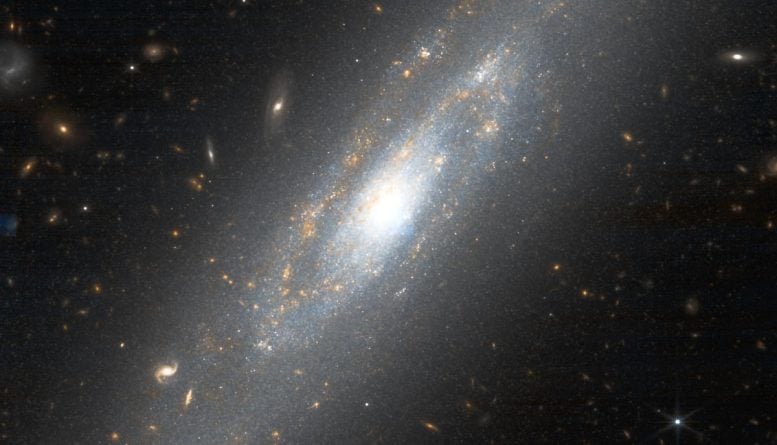
A University of Chicago-led analysis measuring the universe expansion rate, finds there may not be a ‘Hubble tension’.
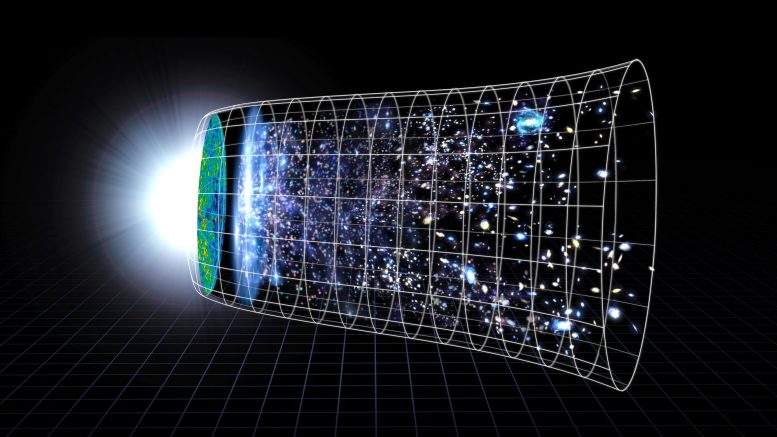
The “crisis in cosmology,” sparked by differing measurements of the universe’s expansion, may be nearing a resolution thanks to the This number, known as the Hubble constant, is essential for understanding the backstory of the universe. It’s a key part of our model of how the universe is evolving over time. “Confirming the reality of the Hubble constant tension would have significant consequences for both fundamental physics and modern cosmology,” explained Freedman. Given the importance and also the difficulty in making these measurements, scientists test them with different methods to make sure they’re as accurate as possible. One major approach involves studying the remnant light from the aftermath of the Freedman and her colleagues used the telescope to make measurements of ten nearby galaxies that provide a foundation for the measurement of the universe’s expansion rate. To cross-check their results, they used three independent methods. The first uses a type of star known as a Cepheid variable star, which varies predictably in its brightness over time. The second method is known as the “Tip of the Red Giant Branch,” and uses the fact that low-mass stars reach a fixed upper limit to their brightnesses. The third, and newest, method employs a type of star called carbon stars, which have consistent colors and brightnesses in the near-infrared spectrum of light. The new analysis is the first to use all three methods simultaneously, within the same galaxies. In each case, the values were within the margin of error for the value given by the cosmic microwave background method of 67.4 kilometers per second per megaparsec. “Getting good agreement from three completely different types of stars, to us, is a strong indicator that we’re on the right track,” said Freedman. The Hubble constant is essential for understanding the backstory of the universe. “Future observations with JWST will be critical for confirming or refuting the Hubble tension and assessing the implications for cosmology,” said study co-author Barry Madore of the arXiv:2408.06153 The other authors on the paper were UChicago research scientist In Sung Jang, Taylor Hoyt (PhD’22, now at Lawrence Berkeley National Laboratory), and UChicago graduate students Kayla Owens and Abby Lee. Funding: NASA.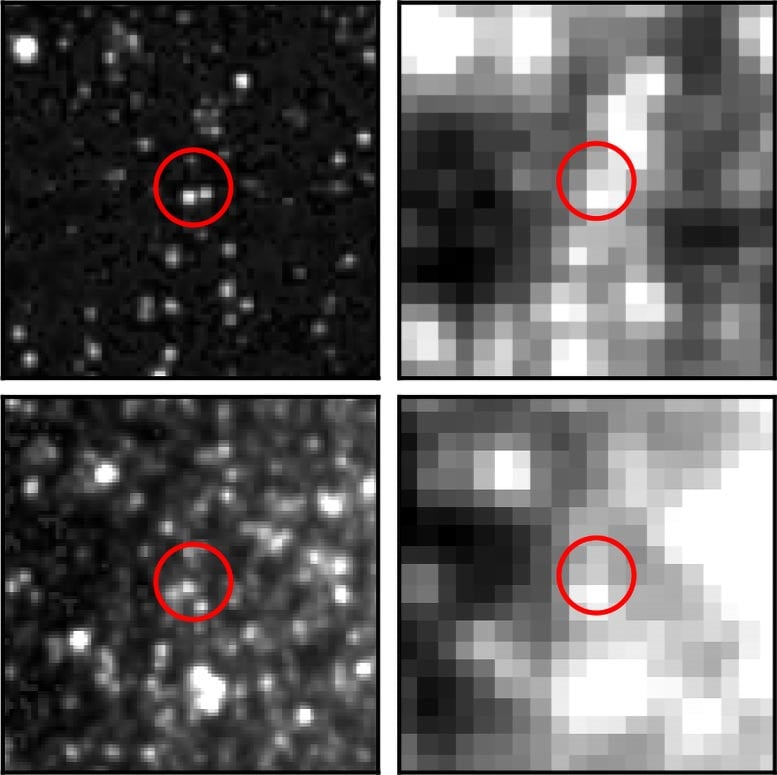
Different Approaches to Measurement
Reassessing the Hubble Constant