









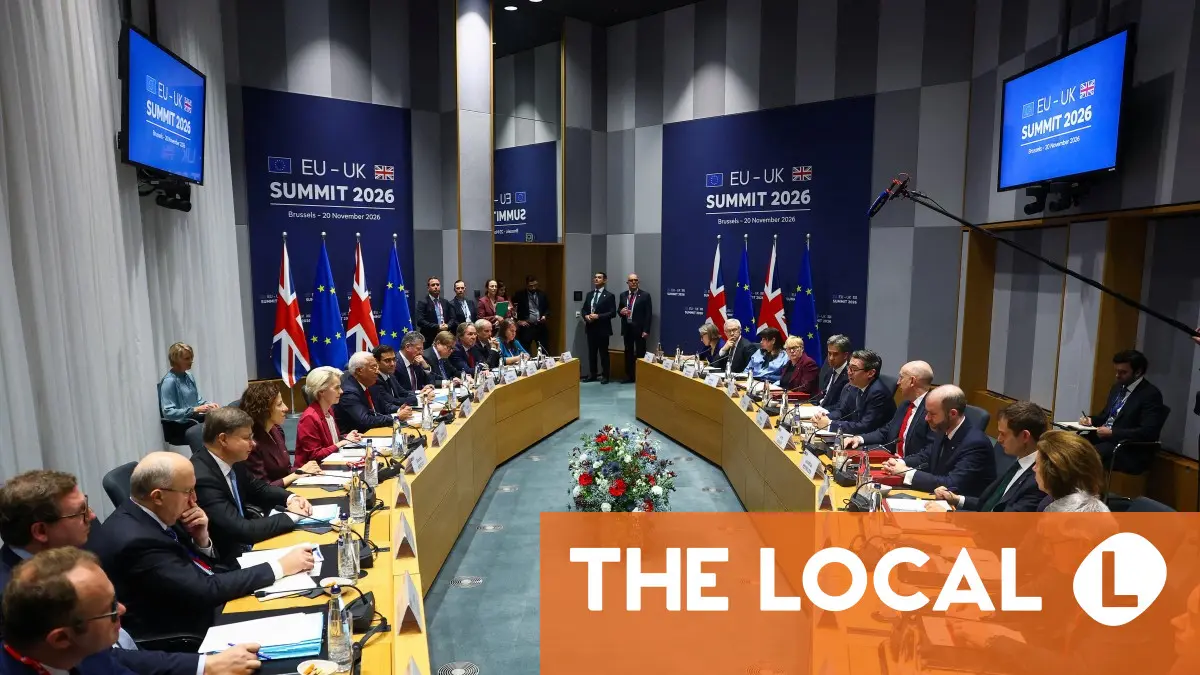
UK and EU Leaders Forge New Agreements in Brussels
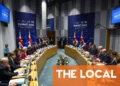
In a significant move to mend relations post-Brexit, British Prime Minister Andy Burnham met with European Union leaders Ursula von der Leyen and Antonio Costa in Brussels on Friday. The summit aimed at revitalizing ties that have been strained in recent years, resulting in the announcement of several key agreements between the UK and the EU.
Trade Agreement on Food and Drink
Among the agreements established was a “food and drink” deal designed to alleviate bureaucratic hurdles that have hampered trade since the UK’s departure from the EU. The new accord will eliminate the need for certificates and border checks on food and animal products, including popular items such as cheese and bacon. The British government estimates this agreement could contribute approximately £5.1 billion (6.1 billion euros) annually to the UK economy.
However, the arrangement requires the UK to enhance alignment with EU regulations concerning food safety and animal health. The British government has reassured the public that this will not lead to a ban on popular items like smoky-flavored crisps or necessitate re-labeling products such as marmalade as “citrus marmalade.”
Linking Emissions Trading Schemes
The UK and EU also agreed to connect their emissions-trading schemes, a move designed to combat climate change by requiring polluters to acquire allowances for their carbon emissions. This agreement will allow both parties to recognize each other’s allowances and exempt goods traded between them from respective carbon border taxes. The UK government claims this could potentially add £3.8 billion to its economy and exempt £6.5 billion worth of industrial exports from additional taxes.
Youth Mobility Initiatives
Efforts to facilitate youth mobility were highlighted, with Brussels advocating for a program that would enable young individuals from both the UK and EU to reside in each other’s territories for up to three years. Additionally, European students would be allowed to attend British universities at reduced tuition rates, comparable to local fees.
Negotiations surrounding this initiative have been particularly contentious, with the UK government cautious about migration levels. Following extensive discussions, an agreement was reached to limit the “youth experience scheme” to 100,000 participants from each side annually. However, no consensus was reached on tuition fees, with both sides committing to resolve this matter within six months. The EU indicated that progress on this issue is essential for the formal signing of other agreements.
Future of Electricity Market Participation
Looking ahead, ongoing discussions are focused on the UK’s potential participation in the European electricity market. Advocates argue that this collaboration could enhance energy security and reduce prices. Five EU member states, including Germany, the Netherlands, and Denmark, believe this initiative could transform the North Sea into “the largest clean energy hub in the world,” primarily through wind power.
However, the UK may face an “entry fee” to support development projects in less affluent regions of Europe, a point that is likely to be the subject of extensive negotiation.
Migration Dialogue Initiatives
The UK and EU have announced the establishment of a “Structured Dialogue on migration,” which will cover various issues, including cooperation with third countries and the logistics of returns. This initiative follows Prime Minister Burnham’s acknowledgment of EU countries’ efforts to create migrant deportation centers outside the bloc, with nations like Germany, Austria, Denmark, Greece, and the Netherlands already planning facilities in Rwanda.
Commitment to Economic Security
In a bid to enhance economic security, both parties have committed to formal discussions on export controls and supply chain cooperation. The UK has expressed concerns regarding potential exclusion from EU initiatives aimed at bolstering domestic industries, such as automotive and defense sectors, which may compel companies to prioritize European suppliers for public contracts. However, the EU is not currently positioned to grant any concessions as member states and lawmakers continue to debate the final structure of these initiatives.





Discussion about this post