









Kenya Faces Temporary Milk Shortage Amid Rising Prices
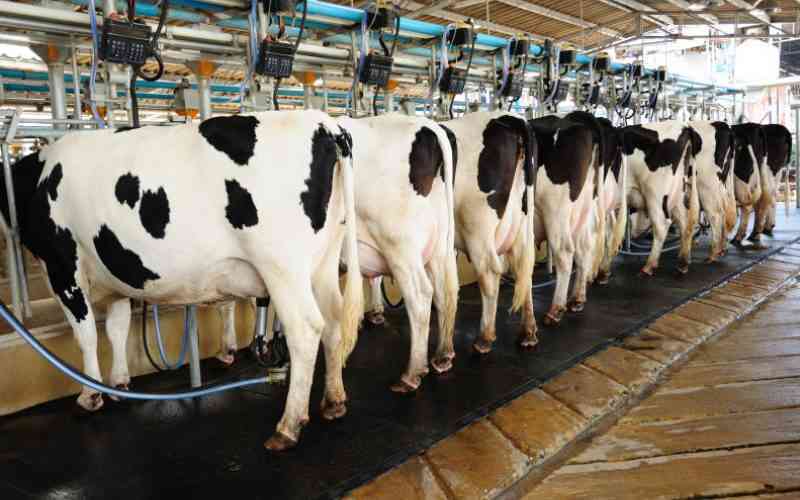
A 500ml packet of milk is currently priced between Sh70 and Sh78 in various supermarkets across Meru town, a noticeable increase from the previous average of Sh65. Local shops reflect similar trends, with prices ranging from Sh70 to Sh80, depending on the area.
In local hotels, a cup of tea is now being sold for Sh50, while lower-tier food kiosks offer tea at Sh30, albeit with limited milk content.
“My family consumes a liter of milk each morning, and my children enjoy tea in the evening. This adds up to a significant expense, especially given the current economic climate,” stated Julius Mutwiri, a resident near Meru Town. Residents express concerns over the lack of pricing consistency, with some traders allegedly exploiting the situation to charge excessive prices.
“It is perplexing why there is such a vast price discrepancy for a 500ml packet of milk—Sh12 difference is hard to justify,” Mr. Mutwiri added.
Recently, the Kenya Dairy Processors Association (KDPA) has called on the national government to refrain from permitting the importation of powdered milk. KDPA Chairman Kenneth Gitonga emphasized that the milk shortage is merely a temporary crisis that will resolve itself, making imports unnecessary.
Gitonga, who also serves as the CEO of Meru Dairy Union, warned that allowing imports could adversely affect local processors. He reassured consumers that dairy processors have agreed to maintain current milk prices, despite the temptation to raise them due to market pressures.
“We have advised the government against importing powdered milk. Let us manage our existing resources, which are sufficient for the upcoming two weeks, before we return to normal supply levels,” he stated.
According to Gitonga, the current shortage is mainly attributed to climate-related factors, but with the anticipated onset of rains, he is confident that regular processing and supply will soon resume.
He noted that many dairy companies have depleted their milk stocks, leading to the current supply shortages. “The good news is that this situation will not persist. As the rains arrive, I encourage farmers to prepare by planting maize and grass for their livestock. Once we have sufficient fodder, milk supply will stabilize,” Gitonga explained.
He predicted that the market could shift from a shortage to an oversupply, urging processors to support consumers and avoid price gouging. Gitonga suggested that milk prices should stabilize within the Sh55 to Sh60 range until normal supply conditions return.
“This is a temporary challenge. I urge consumers not to panic buy; there is no need to stockpile milk. Just purchase what you need and allow others the same opportunity,” Gitonga concluded.
Stay informed. Subscribe to our newsletter.






Discussion about this post