









Midterm Elections Reflect Changing Attitudes on Immigration
By Felicia J. Persaud
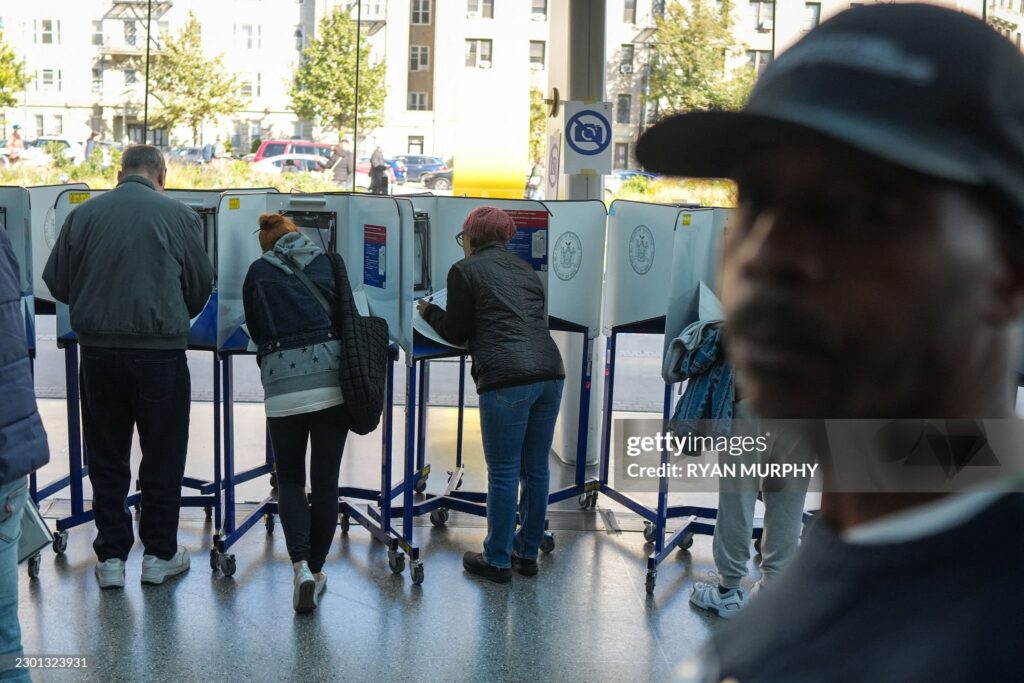
News Americas Now, NEW YORK, NY, Fri. Nov. 6, 2026: The results of the 2026 midterm elections have sent a clear message from voters: “Deportations will continue,” declared Secretary of the Department of Homeland Security, Markwayne Mullin. This statement followed a significant shift in congressional power, with Democrats gaining control of both legislative chambers, as voters across the nation expressed their frustration with the Republican agenda.
Shifting Voter Demographics
This electoral outcome reflects a coalition shift among voters, particularly in Black, Latino, and Asian demographics. Black voters overwhelmingly supported the Democratic candidates, while Asian voters exhibited similar trends. Notably, the Latino community, which had shown increased support for Donald Trump in 2024, reverted to Democratic preferences in 2026.
The Impact of Immigration Policy
The change among Latino voters was particularly striking. In districts with majority-Latino populations, there was a substantial decline in Republican backing compared to previous elections. While economic factors such as rising prices and concerns over affordability played a role, the influence of immigration policy cannot be overlooked.
For many, immigration enforcement is not merely a political topic; it has real-world implications that affect families and communities. Whether it’s through fear of detention or uncertainty surrounding immigration status, the ramifications resonate deeply within immigrant households.
Caribbean Americans’ Underrepresentation
A significant issue in understanding electoral dynamics is the underrepresentation of Caribbean Americans in national polls. Often categorized within broader racial groups, their distinct voting patterns and perspectives on immigration may go unnoticed. This oversight is critical as the Caribbean diaspora grapples with the complexities of immigration policy that impact their communities.
Republicans’ Lessons from 2026
While Republicans recorded gains among immigrant-origin voters in 2024, these demographics are not guaranteed to remain loyal. The 2026 elections highlighted that voters can support specific measures, such as enhanced border security, while simultaneously rejecting harsh enforcement policies that disrupt families.
Accountability for Democrats
The incoming Democratic majority must recognize that their victory was not merely a renewal of political authority but a call for accountability. With newfound control, Democrats have an opportunity to challenge existing immigration enforcement practices and demand transparency regarding detention and deportation policies.
The Road Ahead Post-Election
Despite the Democrats’ congressional control, President Trump remains in office, and his administration retains significant power over immigration policy. Thus, Secretary Mullin’s assertion that deportations will persist remains valid. However, the electoral results emphasize a need for change in how immigration policies are approached and executed.
The upcoming two years will be critical in determining whether Trump’s administration learns from these electoral shifts. The call for change has been made evident by voters, and how leaders respond could define the political landscape moving forward.
EDITOR’S NOTE: Felicia J. Persaud is the founder and publisher of NewsAmericasNow.com, a daily syndicated news platform highlighting Caribbean and Black immigrant experiences across the Americas.
Related Reading
Who Really Pays When America Deports An Immigrant?










Discussion about this post